Calculate your cost savings
TACNA 619.661.1261

The Mexican Peso Forecast for 2024

Over the course of 2023, the Mexican peso (MXN) has traded higher and higher against the US dollar (USD). There are several monetary factors driving this shift. But the peso forecast for 2024 is a mixed bag. Analysts and institutions aren’t quite sure where the end of next year will see the MXN peso, but they are agreed on several key factors to watch. 
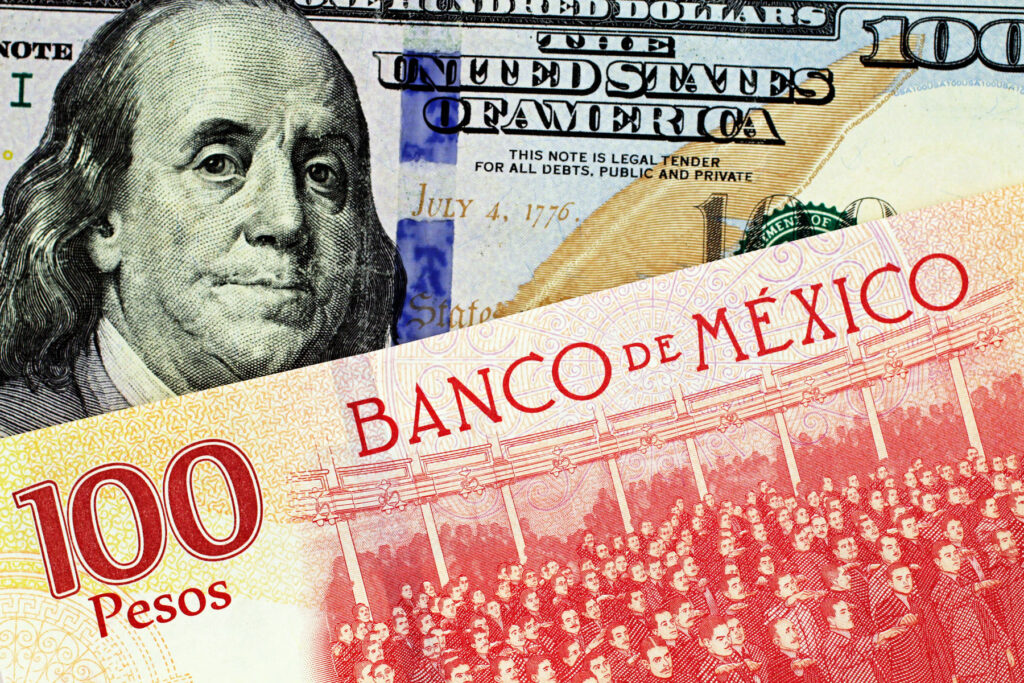
peso forecast 2024

Below we will explore the dynamic of Mexico’s currency viz a viz that of the US and identify key drivers currently at play as well as events to watch in 2024. We will discuss the most likely projections for the strength of the peso and offer insights into the likely course for one of the most popular currency pairs in Latin American financial markets.

MXN v. USD

With the USD as the base, the Mexican peso is often paired up to create the USD/MXN currency pair. This pair is used widely Latin American transactions and worldwide, giving the Mexican peso its highest trading volume in the international foreign exchange market. Because the US dollar is the world reserve currency, it provides strength and stability as a benchmark currency, boosting demand for the peso.

The USD/MXN exchange rate is a measurement of how many pesos the market will trade for one US dollar. In recent years, this exchange rate has hovered around 20 pesos to 1 dollar, but there has been a slide over the course of the past year. 

Naturally, fluctuations in the pair’s exchange rate stem from the strength or weakness of the economies in the two respective countries. When the USD/MXN exchange rate rises, meaning more pesos go for one dollar, the dollar is said to be strong and the peso weak. Less pesos for a dollar, or a lower exchange rate, means the opposite – a weak dollar and strong peso.

Why the US Dollar is Weakening

Before exploring the Mexican peso forecast for 2024, let’s analyze the weaking of the US dollar over the course of 2022-23, since USD constitutes one half of this equation. 

During 2022, the dollar declined in value against the peso by nearly 7%. This trend has followed into 2023, and appears likely to continue into 2024. A looming recession is a big factor in this weakness. Multiple forecasters have been projecting a US recession within the following year for a few years now. In spite of printing record and multi-decade highs against emerging and developed markets currencies, the demand for the dollar has waned.

Also driving this trend is persistent inflation. Investors seeking exposure to further rate hikes have been averse to buying dollars during a time when the Fed chair has pulled back from increasing interest rates further. It is likely that if the rate of inflation continues to decrease in the US, the dollar will continue to weaken as demand for higher risk will prompt accelerated US dollar outflows.

Factors Driving MXN Peso Strength

Conversely, there are several reasons the peso forecast for 2024 seems more optimistic. As least for the previous two years, these elements have contributed to a gradual but consistent strengthening of the MXN. 

In general, Mexico’s economy has demonstrated resilience and stability. Their GDP is growing steadily, rising by 3.3% in October 2023 year over year. This economic vitality is boosted by:

  • Export revenues: as an oil producer and exporter, the rise in oil prices has strengthened the economy.
  • Trade balance: as oil export revenues exceed import expenditures, the improved trade balance bolsters Mexico’s economy.
  • Inflation: while not a benefit in and of itself, inflation leads to increased interest rates, which has strengthened the MXN peso.
  • Nearshoring: An influx of foreign direct investment into northern Mexico from US businesses drives up the peso.

Interest rates in particular play a unique role in this disparity between the peso and dollar. The US interest rate is now up to 5.5% while Mexico’s is up to 11.25%. This means it’s better to buy pesos against other less income-bearing currencies, like the dollar. 

Over the course of 2023, the peso has increased against the US dollar 12%. And the Bank of Mexico’s report for Q2 2023 forecasts a similar upward trend.

Peso Forecast for 2024 Mixed

Currently the MXN peso is trading at just over 17 to one USD. This is up from the spring of 2020 when the ratio reached nearly 25-to-1. If oil prices continue to rise, interest rates remain high, and Mexico’s economy remains strong, analysts predict a further strengthening of the peso. 

Economy Forecast Agency (EFA) specialists believe we will see 15-1 territory in 2024. And the Wallet Investor portal predicts next year will close out around 16-to-1. 

However, others are more bearish in their forecasts. BBVA bank’s peso forecast for 2024 puts next year’s rate squarely at 18-to1. Citibanamex analysts project 2024 to close out around 19-to-1. And Commerzbank analyst Esther Reichelt has recently pointed to two factors to justify her forecast of 18-to-1 by the end of 2024:

  • Upcoming Mexican elections 
  • And Mexico’s energy policies

In June, Mexico holds their national election to decide the new leader of the federal government. This holds massive potential for changing things up and infusing uncertainty in the currency markets for the peso. Of the two women most likely to take over in June, one represents a continuation of the current policies, while the other seeks to bring about substantial change. 

Regardless of which side wins out, continuing the country’s current policies toward energy could put a damper on nearshoring investment and slow down the peso’s rise. And this could be compounded if Mexico’s central bank starts dropping the interest rate in the near future. 

As of right now, there is no agreement on the forecast, but most believe the peso will continue to strengthen, at least through the first half of 2024.
5 of Mexico’s Greatest Advantages for Business

Whether your business is in need of greater capacity or just wanting to cut costs, chances are, you’ve considered outsourcing. Yet, however popular Asian destinations may be, Mexico’s advantages for business emerge as an attractive alternative.

5 of Mexico's Greatest Advantages for Business

In this article, we’ll discuss why so many US companies are turning to Mexico to give their business a strategic advantage and what some of the primary benefits are. As global competition increases and economic factors exert downward pressure, it is vital to consider every potential improvement and advantage to remain competitive and profitable.

Mexico is Great for Business

For years now, US companies seeking a competitive edge have been repeatedly turning their gaze southward to Mexico. And why not? Since the dawn of NAFTA, this Latin American country has offered US manufacturers incredible opportunities. Amidst the challenges faced at home, Mexico continues to provide unique advantages and benefits for savvy businesses willing to think outside the box.

Unlike the US and other popular locations, Mexico follows the German labor model, fostering a highly-trained workforce through academia-industry partnerships. This synergy results in a robust pool of specialized engineers graduating annually. And this labor supply stands in stark contrast to the current US labor shortage dilemma.

But it’s not just skills; it’s economics, too. Mexico boasts a manufacturing-centric economy, offering US producers state-of-the-art facilities and infrastructure for a fraction of the cost. Leveraging these advantages allows businesses to manufacture for export duty-free to the US. The entire Mexican economy is built around international business and manufacturing.

As fewer Americans seek out manufacturing jobs, and as training workers for highly specialized roles becomes more costly and impractical, Mexico stands out as a strong alternative. And there are many reasons this is so. In fact, there are several reasons businesses thrive in this country. And below, we’ll discuss five of these most significant of Mexico’s advantages for business. 

Advantage #1: Proximity

Mexico’s closeness to the US is one of Mexico’s greatest advantages for business. American manufacturers nearshoring there enjoy swift transit times, easy oversight, closer supply chains, minimized risk, and better direct communication with plant management.

The geographical adjacency and efficient transportation links mean Mexican shipments can span the US in just 1-4 days — unlike the 3-5 weeks from Asia. This agility allows companies to maintain leaner inventories, cutting transportation costs and enhancing overall supply chain resilience.

Proximity becomes a key ally in achieving heightened supply chain agility, ensuring that businesses can adapt and thrive in a rapidly evolving market environment.

Advantage #2: Free Trade

Mexico’s strategic advantage lies not only in its geography but also in a web of free trade agreements. Their commercial focus is amplified by Mexico’s participation in at least 14 free trade agreements, like the USMCA, granting seamless access to global markets. These agreements span Latin America, Europe, and the Asia-Pacific region, providing free-trade access to over 50 countries and approximately 60% of the world’s gross domestic product. 

This break from traditional trade barriers propels businesses into a realm of expanded opportunities and reduced tariffs, fostering an environment where US manufacturers can thrive. The strategic symphony of trade agreements positions Mexico as an international manufacturing hub, offering American businesses not just proximity but a passport to a world of economic possibilities.

Advantage #3: Low-Cost Skilled Labor

Another of Mexico’s advantages for business is its deep pool of affordable skilled labor. Unlike the US, Mexico boasts a skilled labor force at a compelling low cost. This stems from Mexico’s dedication to cultivating a highly-trained workforce through industry-academia partnerships. While the cost of labor is rising rapidly in other countries, the cost of labor in Mexico remains relatively stable.

As a result, Mexico’s skilled labor pool offers a practical blend of expertise to US businesses without the hefty price tag. This strategic advantage not only trims operational costs but also enhances the competitive edge for US manufacturers globally. Companies find themselves aligning with the cost-effectiveness of Mexican talent, making it a pivotal element in the operational playbook.

Advantage #4: IP Protections

Whenever a company establishes operations in a foreign country, there are always concerns about theft of intellectual property. Fortunately, Mexico stands as a robust ally for US companies in the realm of intellectual property (IP) protections. 

Among global competitors, Mexico’s legal framework provides a striking and solid foundation for safeguarding innovation. Mexico’s alignment with international IP standards and its 16th global ranking for IP protections reinforces this point. 

This strategic positioning not only underscores Mexico’s commitment to fostering innovation but also serves as a crucial asset for US companies navigating the intricate terrain of global business. With a focus on clarity and tangible data, Mexico’s IP legal framework becomes a reliable cornerstone, offering US businesses a secure and advantageous environment for the protection of intellectual capital.

Advantage #5: IMMEX

Perhaps the most powerful of Mexico’s advantages for US business is their IMMEX program, which allows foreign companies to operate maquiladoras or factories not subject to most duties or tariffs. This key strategic advantage offers US manufacturers substantial benefits and savings. IMMEX’s reduced or eliminated duties and taxes, coupled with streamlined customs procedures, enhances operational efficiency.

And the system benefits both countries, too. Approximately 40% of inputs in Mexican-made products originate from the US, supporting American industry. Maquiladoras offer flexibility in location and product diversity. Notably, cost savings result from reduced shipment costs, streamlined startups, lower skilled labor expenses, and significant tax savings. 

In an era of global competition, these advantages position Mexico’s maquiladoras as a strategic asset for US businesses across numerous industries. And combined with the country’s other strategic benefits, these options help US business stay viable and successful in an increasingly competitive landscape.


Snapshot of the Packaging Industry in Mexico

Exploring the packaging industry in Mexico reveals a landscape rich with opportunity and growth. While certain challenges exist – from the need for automation to the push for sustainability – Mexico is rising to meet these challenges. 

Packaging Industry in Mexico

Foreign businesses and investors looking for a packaging market to leverage will find that Mexico’s industry includes strong sub-sectors, supply chains, labor pools, FDI, innovation, and more. And perhaps most importantly, the country is experiencing sustained and significant growth rates in the plastics and packaging industry that ensure continued profitability and success.

Surging Industry Growth

According to data from the US Department of Commerce, the packaging industry in Mexico, encompassing both equipment and materials, is currently experiencing unprecedented demand, reaching record highs. In 2022, Mexico’s market for packaging machinery and materials reached a remarkable $906 million USD, following three consecutive years of stagnation. This reflects a surge of 25%. 

There were several factors contributing to this growth. Consumption habits, both locally and internationally, certainly shifted. There was also a substantial increase in remittances from abroad totaling $58.5 billion USD in 2022. Additionally, the country benefited from significant government social programs that totaled over $32.8 billion USD. These programs have notably boosted the consumption of beverages, processed foods, medical products, and personal care items. 

But the rise of e-commerce also played a pivotal role. As a result of the 2020 lockdowns, online shopping from home skyrocketed in Mexico. Indeed, 2022 alone saw a remarkable 23% increase, alongside a double-digit increase in retail sales (around 18% annually). Additionally, exports of agriculture-related products from Mexico increased by 12% in the same year. 

This historic shift in shopping patterns boosted the packaging material production industry to represent approximately 1.8% of Mexico’s overall GDP in 2022. This contributed 5.5% to the industrial sector GDP and 8.6% to manufacturing GDP, boosting Mexico’s economy prospects overall.

This sector in particular offers promising opportunities for US involvement in Mexico, given their reputation for innovative technology and geographic proximity. And according to the Packaging Machinery Manufacturers Institute (PMMI), Mexico now stands as the second-largest buyer of US packaging equipment (in addition to being the largest US trading partner). Mexico also sources a large quantity of supplies from Germany and Italy.

Growing Demand Post COVID

The dramatic surge in demand for packaging and processing machinery in 2022 was attributed to improved political stability post-COVID-19, coupled with the necessity to increase installed capacity to meet the growing demand for packaged products. Early numbers for 2023 indicate more of the same. 2023 is expected to record an expected growth rate of 5.5%, with machinery and equipment purchases expected to increase 7-12%. 

There are several drivers for this growth. Some of which including investment in:

  • Agribusiness
  • e-commerce
  • pharmaceuticals
  • personal care products
  • environmentally friendly packaging solutions

Despite the positive outlook, US exporters face challenges, including stiff competition from European equipment, perceptions of US-made equipment as suitable only for large-scale production, and concerns about higher energy consumption.

Opportunities in Multiple Sectors

The packaging industry in Mexico is varied. And several sectors may afford opportunities for foreign investors and outsourcing companies. 

Plastics, in particular, emerge as the most dynamic sector, consistently gaining market share. Mexico’s plastics sector holds a significant 29.3% market share, closely followed by paper and cardboard at 32.7%. Other materials like glass, metal, and wood contribute to the remaining market share.

Major opportunities for US businesses and investors in the Mexican packaging machinery market lie in processing equipment and materials for the food and beverage industry. Notably, these areas cater to the 50% of Mexican packaging machinery imports. But there is also a sizeable demand for plastic container manufacturers targeting the personal care industry, as well as opportunities in cleaning and sanitizing products.

Domestically, Mexican users demand higher-quality materials. This, combined with the need for compliance with advanced production standards mean there is a specific focus on flexible packaging. This area constitutes over 60% of food product usage, and has been experiencing growth rates exceeding 10% annually. Mexico is a very environmentally conscious country. And the push for environmentally friendly solutions creates avenues for innovation and flexibility in packaging machinery sales. There is a clear emphasis on the need for higher quality and greener packaging materials to meet evolving market demands.

As major investments from companies like Constellation Brands, ARCA Continental, Grupo Bimbo, Diageo, Brown Forman, and others are announced, the packaging industry in Mexico becomes increasingly attractive as a foreign direct investment opportunity. These projects signal near-term demand for processing and packaging equipment, presenting lucrative prospects for US businesses in the Mexican market.


Is a US Recession on the Horizon? Positive and Negative Signs

US economic experts are sounding the alarm as they predict the likelihood of a US recession striking by 2024, specifically in the second quarter. This warning comes as concerns over soaring debt levels and a precarious job market cast shadows over the nation’s economic outlook.

Is a US Recession on the Horizon? Positive and Negative Signs

But the matter is far from settled. And there are still more economists and experts increasingly optimistic about the US economic outlook for 2024. Backed by a wealth of data and specific statistics, these experts challenge the notion of an impending recession, opting instead for a mild forecast of slow growth.

Whether or not the US will experience a recession in 2024 is impossible to predict with certainty. But below, we’ll detail the factors pointing each way so you can decide for yourself.

Indications a US Recession May Be Coming Next Year

Jeff Gundlach, known as the “Bond King,” emphasizes that the growing debt burden is a significant indicator of an impending economic downturn. The United States is grappling with record levels of debt, and the situation appears to be spiraling. The national debt, currently exceeding $29 trillion, continues to rise. Meanwhile, ongoing inflation compounds the problem.

Bill Gross, another prominent voice in the financial world (and another “Bond King”), also raises red flags regarding the US economy. Gross highlights the shaky job market as a key factor contributing to the looming recession. Despite recovery efforts and economic stimulus programs, the labor market remains fragile, with fewer Americans seeking manufacturing jobs and skills. And rising costs and  the impracticality of training workers for the specialized roles demanded by modern manufacturing only exacerbates this challenge further.

Gundlach’s warning is particularly unsettling in light of the $1 trillion that a potential recession could cost the United States. This would have a significant impact on GDP and productivity. But Gross’s concerns about the job market also indicate a deeper issue—finding qualified labor is becoming increasingly difficult. In fact, according to a recent survey of US manufacturing executives, it’s now 36% harder than in 2018 to find adequate labor.

While there are alternatives to tackle the imminent labor shortage, such as nearshoring options in Mexico with its skilled labor force and state-of-the-art facilities, this doesn’t change the fact that  US recession may be imminent. These warnings suggest that unless substantial measures are taken, the next year could bring a challenging economic climate for the United States. 

Signals US Won’t Experience Recession in 2024

But there is also optimism in the data. According to a recent survey reported by Benzinga, close to 60% of economists believe the Federal Reserve has concluded its current cycle of raising interest rates, after hitting a 22-year peak of 5.5% in July. This would indicate a stable monetary policy that is conducive to economic growth.

Furthermore, this data highlights that economists forecast a drop in inflation, with expectations of it decreasing to 2.4% by the end of next year and 2.2% by the end of 2025. So, is a recession really imminent? This data suggests not. It may well be that the US economy is on a sustainable path for 2024.

In fact, in spite of a recent poll of America’s CEOs predicting an 84% chance of a recession in 2024, a growing number of economists agree this just isn’t so.  In response to this pessimism, Fed officials insisted on a 0% likelihood, emphasizing a robust economic outlook in accordance with a growing consensus among economists.

These specific numbers and data points create a compelling case for optimism. The combination of low-interest rates, declining inflation expectations, and the Federal Reserve’s confidence points against a US recession in the near future. 

Meredith Whitney, Founder & CEO of Meredith Whitney LLC, recently gave a Yahoo interview explaining why a recession seems unlikely for 2024. Her 5 arguments for optimism were:

  1. Home Equity: homeowners, especially those aged 50 and above, have a substantial amount of equity in their homes, with over 70% of US housing owned by this age group.
  2. Low Mortgage Rates: many homeowners are sitting on fixed-rate mortgages of 5% or lower, which could make the economy more immune to changes in interest rates.
  3. Cash Deals: Recently there were record all-cash deals in home purchases, indicating that many homeowners have significant equity and are likely to buy smaller homes for cash when they sell.
  4. Home Sales Trends: there is a shift in the housing market dynamics, with an increase in the supply of homes as more homeowners, especially those over 50, decide to downsize and sell their properties.
  5. Slower Growth, Not Recession: this suggests that the economy is experiencing slower growth, but not a recession. Consumer spending remains supported, and there’s optimism for the near future.

Manufacturing for the Future

Whichever course the US economy takes, US manufacturers and businesses should hope for the best while preparing for worse. While both sides have good evidence for their outlooks, the most likely outcome may fall somewhere in the middle. 

Things aren’t great for the US economy right now. We’ve been in a manufacturing recession for several months now. And downward pressures may push the markets into negative growth for a short period. But companies can take steps now to weather downturns and capitalize on market shifts. 

In fact, manufacturers who focus on innovation and future growth tend to thrive even in a recession. And these are good practices to prioritize no matter which way the winds of Wall Street are blowing.


The Top 10 Maquiladora Questions Answered

When it comes to helping businesses streamline processes and save money, Mexico’s maquiladora or IMMEX program is a hugely popular option. Businesses simplify operations and save a substantial amount of money by outsourcing to a foreign factory. This greatly reduces or eliminates their tariff burden when manufacturing for export.

The Top 10 Maquiladora Questions Answered

But quite naturally, when considering this option, a lot of questions come up. Here at TACNA, we field quite a few of them. And over the years, some stand out as being more common than others. 

So, in the interest of informing manufacturing executives about Mexico’s unique advantages, the following list answers the top maquiladora questions most commonly asked. In no particular order, we’ll explore 10 questions about maquiladora manufacturing in Mexico and get a better understanding of the what, why, and how.

Let’s dive right in.

  1. Just what is a Maquiladora?

Probably the first question that comes to mind is, what exactly is a maquiladora? Simply put, a maquiladora is a Mexican corporation operating under the IMMEX program, allowing up to 100% foreign investment, duty-free temporary imports of machinery, equipment, and materials. Sometimes called a twin plant, the maquila option allows US companies to maintain an administrative facility in the US while conducting manufacturing at the maquiladora facility in Mexico. 

As of 2021, there were over 5,000 maquiladoras in Mexico, employing approximately 2.5 million people and generating more than $200 billion in annual revenue. These facilities play a crucial role in cross-border trade, especially between the United States and Mexico.

  1. Are there limitations on where a Maquiladora can be located?

Except for major urban areas like Mexico City, Guadalajara, and Monterrey, the location choice is at the company’s discretion. This flexibility in choosing locations has led to a significant dispersion of maquiladoras throughout Mexico. However, regional factors, such as available labor force and infrastructure, can influence the decision to establish a maquiladora in a specific area.

  1. What restrictions are there on foreign companies owning or leasing Mexican real estate?

Foreign-owned maquiladoras in restricted areas can acquire trust rights to real estate, which allow full use and disposal. Leases have no location restrictions. As of 2021, the 100-kilometer strip along the borders and the 50-kilometer strip along the coasts were the main restricted areas. But these restrictions still don’t significantly hinder foreign-owned maquiladoras since they can obtain trust rights to acquire the necessary real estate.

  1. What can be manufactured in a maquiladora?

Maquiladoras can manufacture any product, with some exceptions, such as firearms and products with radioactive content. However, the choice of what to produce depends on the parent company’s business considerations. US customs rulings can also affect what a company produces or where its components come from. Understanding these factors is crucial for successful maquiladora operations.

  1. What are the strategic benefits of opening a maquiladora?


  • Cost-Efficiency: maquiladora manufacturing offers cost savings through lower labor costs, reduced taxes, and affordable overhead expenses, enabling businesses to produce goods at a competitive price.

  • Skilled Workforce: access to a skilled labor force in maquiladora zones ensures efficient production, as workers are trained and experienced in various industries.

  • Proximity to the US Market: maquiladoras in Mexico are strategically located near the U.S. border, reducing transportation costs and time-to-market for American companies.

  • Customs Benefits: the program allows for duty-free imports of machinery, materials, and components, leading to cost reductions for manufacturers.

  • Supply Chain Integration: maquiladoras facilitate seamless supply chain operations, enabling just-in-time manufacturing and reducing inventory holding costs.

  • Quality Control: rigorous quality control measures ensure high product standards, enhancing brand reputation and customer satisfaction.

  • Strategic Partnerships: collaboration with Mexican suppliers and service providers leads to cost-effective sourcing of materials and services.

  • Market Diversification: maquiladoras open doors to the Mexican and international markets, offering companies opportunities for growth and market diversification.


  1. What may a Maquiladora import into Mexico?

Maquiladoras can import in bond whatever is needed to support the production process, including machinery, equipment, raw materials, parts, and administrative items. Equipment and machinery can remain in Mexico as long as the Maquila Program continues, while materials and parts consumed in the production process are allowed to stay for up to six months.

  1. How do maquiladoras reduce manufacturing costs?

Probably the most common of all maquiladora questions comes down to one thing: show me the money. How will this benefit the bottom line? In what specific ways does maquiladora manufacturing actually reduce manufacturing costs? So, let’s run through the main savings:

  • Lower Labor Costs: utilizing Mexican maquiladoras allows businesses to access a skilled labor force at a fraction of the cost compared to the U.S., reducing overall labor expenses.

  • Tax Incentives: maquiladoras benefit from tax incentives, including reduced corporate tax rates, VAT exemptions, and more, resulting in significant cost savings.

  • Duty-Free Imports: maquiladoras can import machinery, materials, and components duty-free, minimizing expenses and streamlining production.

  • Reduced Overhead: operating in Mexico leads to reduced overhead costs, including lower energy and real estate expenses, contributing to overall savings.

  • Efficient Logistics: proximity to the U.S. market ensures faster and more cost-effective transportation, enabling just-in-time inventory management and lower shipping costs.

  • Skilled Workforce: access to a skilled and adaptable labor force in maquiladora zones enhances production efficiency while maintaining competitive wages.

  • Quality Control: maquiladoras focus on stringent quality control measures, ensuring product excellence, reducing rework costs, and enhancing brand reputation.

  1. What about Mexican labor laws?

Labor laws in Mexico apply equally to maquiladoras and other Mexican corporations. These laws cover various aspects, such as employment contracts, working hours, wages, and benefits. For instance, the permissible work week is 48 hours, and wages are based on a daily rate. Severance pay is required for employees dismissed without cause, and rights guaranteed to Mexican workers cannot be waived. Unionization is constitutionally guaranteed, and existing unions often work closely with management to advocate for workers.

  1. How does one open a maquiladora in Mexico?

To open a maquiladora in Mexico, start with a clear idea what you would like to achieve. Register your company, obtain import/export permits, and secure maquila program approval. Choose a strategic location, preferably near the US border, set up your facility, and hire skilled workers. 

Comply with Mexican regulations and tax laws. Efficiently manage your supply chain, implement quality control, and reduce manufacturing costs through lower labor expenses, tax incentives, and duty-free imports. Leverage the proximity to the US market for efficient logistics. This can expand your market presence and enhance your competitiveness.

  1. How can I successfully manage a profitable maquiladora?

Successfully managing a Maquiladora in Mexico involves embracing the cultural nuances and carefully navigating regulatory conventions. This is a different country with different ways of doing things. Understand that generous benefits, including extended vacations and maternity leave, are the norm. Recognize the significance of workplace hierarchy and official titles. 

While punctuality is somewhat fluid, it’s essential to respect authority levels. On business trips, blend work and personal conversations during lunches, maintain formality in attire, and travel safely using registered taxi services. Prioritize security by choosing a secure factory location and employing a reputable security firm. Comply with local laws to mitigate risks. 

And for a simplified approach, consider a shelter services provider, streamlining management and outsourcing much of this administrative hassle so you can focus more on core activities.

An Introduction to Shelter Services in Mexico

Manufacturers looking to explore opportunities for outsourcing their operations often consider Mexico as a prime destination due to its proximity to the United States and favorable trade agreements. However, there’s no reason to go it alone. 

Shelter Services in Mexico

Shelter services represent one of the most efficient ways to establish a manufacturing presence in Mexico. In this article, we’ll break down just how shelter services in Mexico work, what they offer US and foreign manufacturers, and how to maximize benefit by leveraging this outsourcing option. 

What is Shelter Manufacturing?

When it comes to offshoring or outsourcing the manufacturing function, the process can be daunting. Shelter manufacturing simplifies this intricate process of initiating manufacturing operations in Mexico. Shelter service providers, with their extensive experience and established networks, expedite the setup process and handle most of the administrative and compliance aspects for you. They handle tasks like:

  • Securing permits
  • Registering the foreign entity
  • Providing guidance on legal and labor compliance
  • Managing human resources and payroll, etc.

With these crucial administrative and regulatory aspects delegated to experts, manufacturers in the US or elsewhere can concentrate on their core production activities. This seamless integration enables a quicker and more efficient launch of manufacturing operations, reducing lead time and streamlining the entire process. And ultimately, it leads to enhanced operational productivity and profitability.

How Shelter Manufacturing Services Work

Many manufacturing executives considering outsourcing some of their operations are unfamiliar with shelter services. They’re unsure of just what it entails and what the process might look like. Just how does shelter manufacturing work?

Well, to start with, a shelter service is your partner. They offer you full control over the quality and design aspects of the project as if you owned a wholly-owned subsidiary in Mexico. But they cut out the headaches and confusion associated with locating a factory in a foreign country. And usually, they can take on as much of the process as you desire.

A shelter service provider takes on tasks such as registering the company, obtaining permits, managing human resources, and ensuring compliance with Mexican regulations. Manufacturers are then free to focus on their core production activities, resting in the knowledge that the shelter service provider is handling the bureaucratic and administrative requirements. 

It goes without saying that this shortcut streamlines the entire process, allowing companies to start production much more quickly and hassle free.

Why Use a Shelter Service

While it may seem obvious that companies considering outsourcing manufacturing should use a shelter service, there may be some skepticism or fog as to just how this option directly impacts the client company. Here just a few of the most compelling reasons to opt for shelter manufacturing in Mexico.

  • Efficient Start-Up:

Start-up is just so much faster and efficient. With their expertise and established networks, shelter service providers expedite the setup process and get you to where you want to be faster.

  • Cost Savings:

You want to save money, right? That’s why you’re considering outsourcing to start with, no doubt. Well, shelter services often lead to cost reductions by helping companies outsource non-core functions like HR and compliance, companies can optimize their resources and reduce overhead expenses.

With comprehensive expertise in Mexican labor laws, tax regulations, and trade agreements, shelter service providers ensure that foreign manufacturers operate within the legal framework. This expertise safeguards companies from potential legal issues and penalties, allowing them to focus on their core operations. By outsourcing the complexities of compliance to shelter service providers, manufacturers efficiently navigate the regulatory terrain, benefiting from cost-effective labor, reduced risk, and a seamless transition into the Mexican market.

  • Risk Mitigation: 

Shelter services provide a level of risk mitigation. Manufacturers can navigate the complexities of operating in a foreign country more safely by leveraging the expertise of shelter providers.

  • Access to Skilled Labor: 

Mexico offers a skilled labor force that is cost-competitive, making it an attractive option for manufacturers looking for efficient production.

How Mexican Shelter Services Benefit Producers

For US producers, shelter manufacturing in Mexico offers several strategic advantages:

  • Proximity: 

Mexico’s geographical proximity to the United States allows for shorter supply chains and faster response times. This proximity is vital for just-in-time manufacturing and minimizing transportation costs.

  • Cost Savings: 

Mexico provides access to a skilled and cost-effective labor force, making production more affordable while maintaining quality.

  • Market Access: 

With Mexico’s strong trade agreements and proximity to the US, manufacturers can easily access North American markets, taking advantage of tariff reductions and favorable trade conditions.

  • Risk Diversification: 

By operating in Mexico, US producers can diversify their production locations, reducing dependence on a single manufacturing site and mitigating supply chain risks.

  • Global Competitiveness: 

Shelter manufacturing allows US producers to stay competitive on a global scale, offering high-quality products at competitive prices.

An Attractive Alternative

For manufacturers looking to expand their operations or outsource some of the assembly work, Mexican shelter services represent an attractive solution, both practical and profitable. This model simplifies the process of setting up manufacturing facilities in Mexico, allowing companies to leverage the benefits of cost-effective labor, reduced regulatory burdens, and proximity to the US market. 

And by partnering with shelter service providers, manufacturers can navigate the complexities of Mexico’s regulatory landscape, ultimately enhancing their competitiveness and operational efficiency with less risk and headache. For those seeking to tap into the advantages of Mexico’s lower labor costs and growing free trade access, shelter services provide a valuable solution that aligns with the current demands of the industry.

If you’re new to shelter manufacturing and would like to speak with a shelter service expert, contact us today.

US Autoworkers’ Strike Reaches Deal with Ford

In what has been a rather drawn out and historically long autoworkers’ strike, positive signals are emerging as Ford has reached a deal to end the strike at their US facilities. 


US Autoworkers Strike

Since mid-September, around 45,000 of Ford’s unionized employees have been on strike, demanding better wages and benefits. While Ford’s initial negotiation bid was lackluster, the company has since agreed to much higher wage increases and benefits amounts to get back to work.

11th Hour Deal Reached: Historic Labor Agreement

In a momentous turn of events, the United Auto Workers (UAW) union announced this week that a tentative contract agreement has been reached with Ford. This marks a potential breakthrough in ending the nearly six-week-long strikes that have affected Detroit automakers.

Negotiators proposed a four-year deal that is still subject to approval by the 57,000 union members at Ford. But it promises to pave the way for the resolution of the UAW’s ongoing strikes at factories operated by Ford, General Motors (GM), and Stellantis. 

The negotiated terms of the Ford agreement could establish a template for settlements with the other two automakers, where strikes are still ongoing. While it’s not yet clear how the other two auto makers will fare, Ford made a financial commitment a striking 50% higher than the pre-strike stage in mid-September.

This historic agreement, expected to bring relief to union members, could set the stage for similar settlements with GM and Stellantis, whose ongoing strike is now the longest American auto strike in 25 years. The negotiations have illustrated the power of collective bargaining and its ability to address the needs of workers and protect their livelihoods.

Terms of the Deal

Key specifics of the tentative agreement with Ford include a 25% general wage increase for all employees and a cost-of-living raise for most employees (an overall, total wage increase of over 30%). Top-scale assembly plant workers can anticipate earning over $40 per hour by the end of the four-year contract. This wage increase surpasses the 23% initially offered by Ford, Stellantis, and GM at the beginning of negotiations. 

Assembly workers will receive an 11% wage increase upon ratification, nearly matching all wage increases accumulated since 2007. Additionally, temporary workers stand to gain substantial wage increases. Some will experience raises of over 150%. Retirees will also receive annual bonuses. 

And even more remarkably, for the first time, the union has secured the right to strike in response to company plans to close factories.

Crisis Potentially Averted

The autoworkers’ strike began with demands for better wages and working conditions. They sought substantial pay increases. The wage disparity was a particular concern in the background. As a result, severe disruptions could have resulted due to the loss of manpower and productivity.

Already, GM has had to lay off about 2,350 employees across Indiana, Kansas, Michigan, New York and Ohio at this point.  And over 1,500 employees have been laid off across Indiana, Michigan, and Ohio by Stellantis, who is also the parent company of Chrysler, Dodge, Jeep, and Ram. Unfortunately, due to the ongoing strikes, these numbers may very well rise unless a deal can be reached similar to the one with Ford.

For US car buyers, this strike could very well could have resulted in potential shortages and delayed deliveries at Ford dealerships. While this will likely not happen now, there remains the problem of the unresolved strikes with Stellantis and GM, raising the specter of continued disruptions.

These strikes could spell delays and reduced availability of vehicles for US buyers, potentially impacting choices and purchase timelines. While the specifics of these negotiations are yet undisclosed, the Ford agreement underscores the potential magnitude of the issues at hand, making it a pivotal development for the US auto industry. 

However, not all models are assembled at union factories. And even if the autoworkers’ strike against Ford had not been successfully resolved, some models would have been unaffected. These models are manufactured in non-union factories, some even in other countries. For example, Mexico has been investing heavily in automotive industry and partnering with Ford specifically. 

Ford shares were up 2.7% on Thursday on news of the deal. As of today, the autoworkers’ strike is still on for the other two carmakers. And approximately 29,000 of the UAW’s 146,000 autoworkers remain on strike across more than 40 GM and Stellantis US facilities.

Mexico’s Tehuantepec Isthmus Corridor to Rival Panama Canal

With the renewed push for reviving a century-old railroad across the southern portion of the country, Mexico is one step closer to realizing an overland shipping route to rival the Panama Canal. The approximately $2.8 billion USD investment is intended to transform this dated network into a highly modernized and seamless route for international shippers, providing interoceanic access with less transit time.

Tehuantepec Isthmus Corridor

Mexico Pushes Ahead with Tehuantepec Isthmus Corridor

In a recent announcement, Mexico’s federal government has taken a significant step toward revitalizing the Tehuantepec Isthmus Corridor. The plan is for this strategic transportation route to connect the Gulf of Mexico to the Pacific Ocean. While an ambitious project, experts are confident it will improve the country’s logistical capabilities and boost economic growth for the Latin American country.

The government’s goals for this corridor are clear. It seeks to enhance trade connectivity, promote job creation, and stimulate economic development in the region. In short, the Mexican government wants an overland connection between the Gulf of Mexico and the Pacific Ocean that will rival the Panama Canal. The Tehuantepec Isthmus Corridor holds great promise in reducing transportation costs, facilitating international trade, and attracting new investments.

And recent steps are pushing to make this a reality. Key steps have already been taken, and more are planned. For example, the expansion and modernization of existing infrastructure, including railways and highways, is underway. These improvements will enable more efficient movement of goods and people across the isthmus.

Additionally, the Mexican government has affirmed their commitment to promoting sustainability throughout the corridor project. According to government sources, it is integral to the project that environmental considerations, including the preservation of local ecosystems, be foremost. Mexico has traditionally walked a tightrope in balancing economic development with environmental stewardship over the past half century.

As the government pushes ahead with the Tehuantepec Isthmus Corridor, it’s really poised to unlock new economic opportunities and strengthen its position as a vital player in international trade. This strategic initiative is just another that underscores Mexico’s commitment to fostering economic growth while maintaining a focus on sustainability and responsible development.

Why a Corridor

It’s no surprise that Mexico’s government has set its sights on a corridor in this region. The Tehuantepec Isthmus Corridor, nestled in southern Mexico, has become a focal point for international shippers for several reasons. This strategic location offers distinct advantages for global trade, setting it apart from other options, such as the Panama Canal.

Of course, this corridor will allow shippers to bypass the lengthy and often congested journey around South America, significantly reducing transportation time and costs. But it also provides an alternative to the Panama Canal, among other advantages.

In its drive to invest in infrastructure to attract foreign investment, Mexico’s has expansion plans for transforming this century-old railway into a modern industrial corridor encompassing over 300 kilometers of railways and approximately 600 kilometers of highways. This extensive network promises to provide an efficient and reliable transportation route for both cargo and passengers.

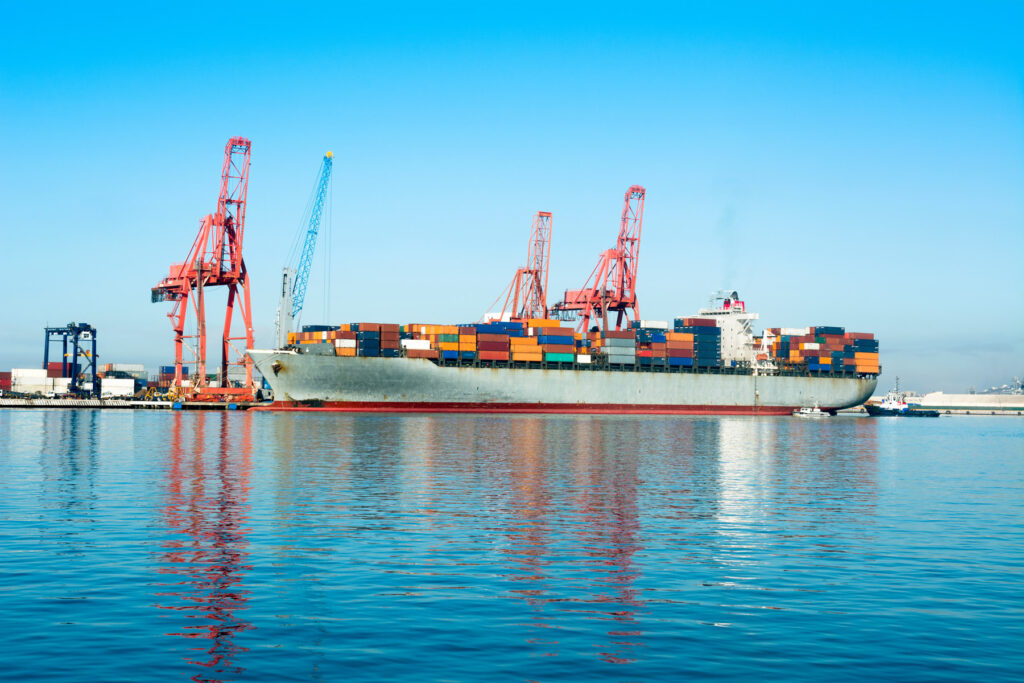
Upon arriving at the Gulf of Mexico or the Pacific Ocean, vessels will offload their cargo at well-equipped ports, utilizing state-of-the-art unloading facilities. The cargo is then efficiently transferred to a network of modern railways and highways. The route is expected to take just over 6 hours, not including unloading and loading time, compared to the 8-10 hours required to traverse the Panama Canal.

This seamless transition from sea to land ensures minimal delays, reduced transit times, and cost-effectiveness. The Tehuantepec Isthmus Corridor’s integrated system is designed to make shipping straightforward, offering a practical and efficient alternative to traditional trade routes, setting a new standard in global shipping operations.

Mexico’s Infrastructure Revival

Currently, Mexico is in the midst of a kind of infrastructure revival. The goal is to better accommodate the surging demands of global trade and manufacturing. Mexico wants to be modern and competitive. And their commitment to modernization is redefining the nation’s potential as a manufacturing and logistics hub. Mexico is currently the top US trading partner. 

The Mexican government’s focus on infrastructure development is evident. The Tehuantepec Isthmus Corridor is yet another prime example. This extensive project is set to enhance trade connectivity and stimulate economic growth by reducing transportation costs and facilitating international trade.

In addition to the Tehuantepec Corridor, Mexico’s broader infrastructure upgrades encompass modernizing railways, highways, and ports, providing increasing advantages to global manufacturers – from reduced reducing transportation times and costs to highly modernized and versatile capacity.

As Mexico positions itself as a key player in global trade, its infrastructure overhaul demonstrates a commitment to providing world-class facilities and efficient logistics. The nation is embracing the changing landscape of manufacturing and trade with a vision that sets the stage for sustainable economic growth and international connectivity.

How Should Manufacturers Handle Ongoing Inflation

Each month, economic reports come out showing less-than-promising data on the state of ongoing inflation. While the Fed is taking steps many consider to be aggressive in bringing inflation down, it’s becoming apparent the problem will not resolve quickly. 

How Should Manufacturers Handle Ongoing Inflation

Of course, manufacturers want to know: what can I do about this? How can I pass along costs without losing market share? What will it take to weather this storm successfully? To answer these questions, let’s explore the relationship between manufacturing and inflation and see how manufactures can minimize the detrimental impacts of ongoing inflation.

US Inflation Still Hot

Inflation remains a pressing concern in the United States, with little reason to believe it will cool down in the near future. True, it’s not as high as it was a year ago, but it’s also not as low as it should be – and it’s not coming down, either. As the latest CPI report rolls in, the ongoing inflation numbers aren’t positive.

The CPI report underscores the persistent challenge of soaring prices, with September’s Consumer Price Index rising by 0.4%. The annual pace of headline inflation remained at 3.7% year over year, while the core CPI rate eased slightly to 4.1% from 4.3% in the month prior.

This rise in prices continues to strain household budgets, ranking high on consumers’ list of worries. And the concern extends to other sectors, because inflation impacts manufacturers in negative ways, too.

Hopes for a slowdown are met with disappointment, as the data confirms that inflation is steadfast. Energy and housing costs continue to climb, contributing to this sustained issue. Americans grapple with rising everyday expenses. The ramifications of this prolonged inflation are varied: consumers are adjusting their spending habits, and businesses wrestle with increasing operational expenses. As inflation shows no signs of cooling, it remains a pressing concern for policymakers and investors alike.

US inflation remains hot, with September’s numbers underscoring the magnitude of the challenge. While economists and market observers keep a watchful eye, the nation’s economic landscape continues to feel the heat of this persistent issue.

How Inflation and Manufacturing Intersect

In the intricate dance of economics, inflation and manufacturing are partners that move to the rhythm of supply and demand. Ongoing inflation affects manufacturing via supply chain costs and consumer demand. 

Inflation can cast a real shadow over the manufacturing sector as manufacturers grapple with increased production costs as the prices of raw materials surge. It’s a trickle-down effect. The cost of steel, for instance, has skyrocketed, putting pressure on manufacturers to manage their expenses efficiently.

Moreover, transportation expenses surge alongside fuel prices, affecting the distribution of manufactured goods. This double whammy of rising input costs and transportation expenses chips away at manufacturing’s profit margins.

Manufacturers, in response, face a pivotal choice. They can either absorb these escalating costs, thereby decreasing their profit margins, or they can pass them on to consumers. Either way, ongoing inflation touches us all, leading to higher prices on a range of products year after year.

Yet, manufacturing itself has a role to play in the inflation narrative. A robust manufacturing sector can contribute to a stronger economy, potentially generating job opportunities and bolstering consumer demand. However, a surge in demand without a commensurate increase in supply can exacerbate inflation. 

It’s a balance. And the intricate interplay between inflation and manufacturing underscores the complexity of economic ecosystems. 

Tactics Manufacturers Can Use to Mitigate Ongoing Inflation

In the face of inflation’s relentless surge, manufacturers find themselves at a crossroads. Some key tactics and insights that can help manufacturers navigate these challenging times include:

  • Effective Cost Management: Manufacturers must scrutinize their operational costs meticulously. It’s absolutely essential that they identify areas where cost reductions or efficiencies can be achieved.
  • Supplier Diversification: Reducing dependency on a single supplier can help mitigate the risk of supply chain disruptions. Exploring alternatives and building strategic partnerships with alternative suppliers can enhance resilience.
  • Inventory Optimization: Maintaining excessive inventory can lead to storage costs and potential obsolescence. Striking a balance between just-in-time inventory and risk mitigation is vital.
  • Pricing Strategies: Manufacturers should carefully evaluate their pricing strategies. Passing on increased costs to consumers should be done judiciously, considering market dynamics and consumer sensitivity.
  • Investment in Technology: Embracing technology can enhance productivity and streamline operations. Automation, data analytics, and process improvements can drive efficiencies and reduce costs.
  • Employee Training and Retention: Skilled manufacturing labor is an asset in navigating inflation. Investing in employee training and retention programs can ensure a stable and proficient workforce.

Key Takeaways for Responding to Ongoing Inflation

In assessing the best way forward with the reality of ongoing inflation, there are some key insights to remember. These principles will help you keep your head above water in trying times.

First, inflation’s impact on raw material prices can substantially affect manufacturing costs. Plan on it. Conversely, however, collaborative relationships with suppliers can lead to better cost negotiation and more favorable terms. It pays to build relationships and explore alternatives.

Additional proactive measures you should consider include monitoring and adjusting pricing strategies in response to inflation to help maintain profitability. Adopting new technology and investing in innovation can transform manufacturing processes, increasing productivity and reducing costs vis a vis your competitors.

In a dynamic inflationary environment, it’s important to remember just how crucial a flexible and adaptable approach to inventory management is. Consider lean operations, but balance them with adequate margins built in.

And lastly, a well-trained and motivated workforce can contribute to operational excellence and quality production, even in challenging times. The abilities of your workforce should be paramount to your strategy for weathering a difficult economy.

In these trying times, manufacturers must remain agile and resilient, employing strategies to mitigate the impact of inflation and sustain their operations successfully. Manufacturers are usually the first to be hit by inflation and can bear the brunt of the negative impact. But they also stand at the forefront of the crisis management. By innovating your way forward and taking certain common-sense steps, your organization can minimize the effects of ongoing inflation and remain profitable.

Mexico’s Infrastructure a Growing Boon to Manufacturers

Just last month, Mexico reported a staggering 18.8% year-on-year surge in gross fixed investment during the first half of this year. This growth, which includes spending on factories and machinery, underscores how central Mexico’s infrastructure is to the country’s spending plans. 

Mexico’s infrastructure

This significant rise in gross fixed investment serves as a resounding announcement of Mexico’s proactive stance towards bolstering its economic prospects. With businesses and industries making substantial investments in critical assets, this surge not only drives economic development but also generates a wealth of new employment opportunities.

Mexico’s dedication to expanding infrastructure and economic capabilities signals a promising future for Manufacturers doing business there. Mexico is becoming an increasingly attractive prospect for both domestic and foreign investors, solidifying its reputation as a hub for sustained manufacturing growth.

Mexico’s Commitment to Manufacturing Infrastructure

In recent years, Mexico has emerged as a manufacturing powerhouse, largely owing its success to a steadfast dedication to enhancing its manufacturing infrastructure. These investments have not only elevated Mexico’s global profile but have also made it an attractive destination for international manufacturers and foreign direct investment (FDI).

Mexico’s strategic focus on manufacturing infrastructure encompasses a range of essential components. From modern industrial parks that offer cutting-edge facilities and customization options to world-class sea ports that facilitate international trade, the country has left no stone unturned. The extensive network of highways and railways, well-maintained and continually expanding, ensures efficient connectivity. Furthermore, the commitment to a diverse and sustainable energy infrastructure, coupled with advanced telecommunications capabilities, positions Mexico as a leader in innovation and progress.

As Mexico’s infrastructure and industrial capabilities rise, the advantages for manufacturers outsourcing operations there rise as well.

Mexico’s Infrastructure Enhancements

From industrial parks to sea ports, highways, railways, energy infrastructure, and telecommunications, Mexico offers extensive infrastructure amenities that make it a prime location for manufacturing and import/export business activities.

  • Sea Ports: Mexico’s strategically located world-class ports on both the Pacific and Gulf coasts, handle significant international trade. These ports offer modern facilities, advanced technology, and efficient connections to industrial hubs.
  • Highways: Mexico’s extensive and well-maintained highway system spans over 386,000 kilometers, connecting major cities and industrial centers. Continuous expansion ensures optimal efficiency and accessibility.
  • Railways: Mexico’s extensive railway network, exceeding 16,000 miles, efficiently transports goods across the country and is continuously expanding.
  • Industrial Parks: Mexico hosts over 350 modern industrial parks, equipped with state-of-the-art facilities and ample room for customization. These parks cater to a wide range of industries and often come with tax incentives and support services to attract foreign investors.
  • Energy: Mexico boasts a reliable and diverse energy infrastructure that includes fossil fuels, nuclear power, and a growing commitment to renewable energy sources.
  • Telecommunications: Mexico’s modern telecommunications infrastructure, including high-speed internet and 5G networks, ensures connectivity for manufacturers on a global scale.

Recent Infrastructure Investments

Mexico’s infrastructure development remains a top priority as it sets its sights on a robust economic future. Despite the challenges of 2020, both the public and private sectors are collaborating to propel the nation forward economically with an array of strategic projects.

In 2019, President Andrés Manuel López Obrador unveiled an ambitious infrastructure plan spanning four years. And on October 5, 2020, the Mexican government and the private sector injected approximately 300 billion pesos into 39 crucial infrastructure projects. These initiatives encompass:

  • Energy
  • Tourism
  • Transportation
  • Manufacturing
  • Communications
  • Water ports

Several substantial projects, each exceeding $1 billion USD, are driving Mexico’s long-term economic enhancement. The pivotal rail line connecting Tabasco, Chiapas, Campeche, Yucatán, and Quintana Roo, with an estimated cost of $8 billion USD, will bolster tourism and freight transport. The 58-kilometer railway linking Mexico City to Toluca, a 90 billion pesos investment, anticipates completion by 2023. Funded entirely by the public sector at 74 billion pesos, the Felipe Ángeles International Airport project spurs additional highway developments in collaboration with private investors.

Spearheaded by National Standard Finance and Caxxor Group, the $3.3 billion USD T-MEC Corridor includes a sea port, extensive rail modernization, and new rail construction connecting Mexico, the US, and Canada. And with an investment of about $5 billion USD, the Tehuantepec Isthmus Rail Corridor enhances rail connectivity, expands ports, constructs a new gas pipeline, and introduces 10 development poles to attract diverse investments.

Further, Mexico’s Grupo México is investing $3.1 billion USD into Baja California to enhance energy transmission, boost mining capacity, and reduce energy costs for industries and businesses.

With these ongoing investments, Mexico’s economic recovery and growth are poised for a promising future. And the advantages to manufacturers there are obvious. Foreign investors continue to flock to this industrial powerhouse, affirming Mexico’s status as a prime destination for sustained economic prosperity.

It’s easier than you think.

Get in touch and we’ll show you how.