Calculate your cost savings
TACNA 619.661.1261

A Beginner’s Guide to Mexican Shelter Manufacturing

Let’s say you’re interested in Mexican shelter manufacturing, but you’re still in the info-gathering phase. You’ve never actually used a shelter service and don’t really know where to start. 

Mexican shelter manufacturing

Not to worry. In this beginner’s guide, we’ll catch you up to speed and hopefully answer all your questions to help you make the right decision. 

Manufacturers today are under a lot of pressure to keep margins down and keep up with the competition. One of the ways in which US manufacturers do this is by partnering with a shelter manufacturing service in Mexico. And here’s what all that entails.

An Introduction to Mexican Shelter Manufacturing

First off, shelter manufacturing offers one of the most efficient ways to establish a manufacturing presence in a foreign country. Opening a new factory can be a rather complicated and risky process. Securing permits, registering the foreign company, dealing with compliance and HR issues, and managing vendors and personnel can be incredibly difficult in a foreign country like Mexico.

Fortunately, with a shelter service, you don’t have to worry about such things. The shelter provider does all of that for you. Rather than worry about the administrative side of things, you are free to utilize their resources and expertise to go straight to product design and quality control. 

This frees up companies to enhance their competitiveness and operational efficiency with less risk and headache. In fact, it’s the most popular mode of entry for foreign companies in Mexico. Lower labor costs and free-trade access to such a large consumer market allows competitive companies to keep up with the dynamic demands of the industry.

How Shelter Services Work

Depending on who you contract with, there is some variability in the process. But overall, a shelter service will fulfill key functions like:

  • HR and recruiting
  • Labor relations and payroll
  • Import/export
  • Security
  • Site selection
  • Tax and compliance issues
  • Vendor and supplier agreements

Many shelter services own factories you can lease or at least have preferred providers for industrial space and equipment. They can help you craft your package or provide turn-key solutions to allow you to hit the ground running. Typically, a foreign company can be operational within a couple months or sometimes even less. Shelter manufacturing in Mexico lets you tap into an existing network of providers of everything from real estate to skilled labor to Tier 1, 2, and 3 suppliers.

Mexican Shelter Manufacturing Benefits US Companies

Mexico is a vital trade partner with the US, not a competitor. In fact, of the goods made in Mexico, approximately 40% of their inputs were made in the USA. 

The two countries work as partners. US firms typically provide the bulk of research and design, while the skilled assembly and crafting is done by a highly trained Mexican workforce. A lot of the materials and parts are made in US factories and assembled in Mexican maquiladoras. 

And because labor costs are lower in Mexico, this assist allows US producers to make the same goods at a fraction of the cost. And because of the USMCA, duties and tariffs are also no obstacle. 

Regulatory Compliance Is Easier

As many US companies have found, doing business in Mexico doesn’t mean opting out of regulatory oversight. In fact, Mexico’s regulatory framework can often be quite different and confusing for US companies. This is why a massive amount of homework is required before opening a wholly owned subsidiary or maquiladora in the country.

However, Mexican shelter manufacturing is different. Using this mode of entry, companies can simplify regulatory compliance and outsource this responsibility. Often the shelter service partners with local agents already highly competent in local regulations and compliance to make sure the process is perfectly legal and streamlined. 

Environmental regulations, customs processes, duties and tariff forms, taxes, and all other regulations are simply handed off to a partner that has not only the experience but the legal responsibility to handle compliance on behalf of the US business.

Top Reasons to Consider a Shelter Service

Mexican shelter manufacturing usually appeals to companies for one or more of the following five reasons:

  1. Faster Startup

Companies going it alone can expect the process of opening up a new and foreign culture, industry, and regulatory framework to take many months, whereas the shelter option reduces this down to usually about 6-12 weeks.

  1. Reduced Taxes

Because a shelter factory is technically owned by a local company, the overall tax exposure is less than for a foreign company merely working in Mexico. 

  1. Better Relationships

Rather than starting from scratch, a company partnering with a shelter service is taking advantage of well-established relationships to immediately benefit from years of networking.

  1. Less Operational Hassle

Shelter companies specialize in handling the complexities for maximum efficiency.

  1. Better Security

Operating in a foreign country can be risky; but shelter services operate in the better parts of town in highly secured industrial parks with vetted security firms and trusted logistics partners.

When Should You Leverage a Shelter Service?

So now, you know the advantages of using a shelter service. You’ve seen why there is an appeal for US companies wanting to lower their costs without adding to their hassle. But how do you know when it’s the right time for your company? Is outsourcing to another country really right for you?

Well, that depends on a few key factors

  1. When a company is interested in getting a product up and running in a matter of weeks, a shelter is called for.
  2. When a company does not already have local expertise regarding culture, personnel, supplier networks, and regulations, a shelter is certainly called for.
  3. When a company prefers to focus on the quality of their design rather than day-to-day operational matters, a shelter service is probably called for.
  4. When security for equipment, intellectual property, personnel, and assets is a top priority, a shelter is called for.

Whether Mexican shelter manufacturing is right for your company or not, it helps to understand what all this option offers. Perhaps now is not the time for your company to open a new factory in a foreign country. But on the other hand, with a shelter partner to walk you through the process and take on the complex side of things, perhaps now is the perfect time. 

If in doubt, or to hear more about how a shelter service can save you time and money, contact one of our shelter experts today.

Mexico’s Election Results Are In

Mexico held a much-anticipated general election this week, and the results are in. While many had been looking for a change in direction, following the tenure of progressive president, López Obrador (“AMLO”), Mexico’s election results showed the ruling party won in an historic landslide.


 Mexico’s election results

Image Credit: EneasMx, CC BY-SA 4.0, via Wikimedia Commons

The national election coincides with a big election year for the US, too, and Mexico’s election outcome will impact the US in big ways. Both countries are trading partners and share one of the most contentious borders in the world. The new president in Mexico will have to forge a relationship with the incoming US president, whoever that may be.

Who Is Mexico’s Next President?

Mexico’s general election was held on June 2 of this year. Claudia Sheinbaum will be Mexico’s next President, taking office on October 1, 2024. 

This was a unique election in Mexico, as the two main candidates for president were both women. And the winning candidate, Claudia Sheinbaum, is a member of the ruling Morena party, founded by current President López Obrador. Obrador, or AMLO as he is affectionately called, is termed out and could not run for another term.

Serving as Mexico City’s mayor until stepping down in 2023 to run for office, she was groomed for this role by her mentor, López Obrador. When he was mayor of Mexico City in the early 2000s, he appointed Sheinbaum to be the city’s environmental minister. She is a former environmental engineer who jointly won the Nobel Peace Prize in 2007 for her participation in a project on climate change.

She will be the first woman to serve as Mexico’s President. And she is also the first Jewish person elected to Mexico’s highest office. 

She is considered an ideological successor to President AMLO, sharing many of his leftist positions – like considering health care, education, shelter, and jobs to be basic human rights. However, while AMLO attempted to stimulate the economy through boosting the petroleum industry, Sheinbaum wants to transition away from fossil fuels and toward nationally subsidized renewable energy.

Morena Wins Big in 2024

More troubling than Sheinbaum’s 32-point victory over more business-friendly candidate, Xóchitl Gálvez, is the vast gains made in this general election by the Morena party as a whole. Mexico’s election results are now in, and it appears the country has roundly endorsed AMLO’s left-leaning programs and party

  • Morena holds a two-thirds supermajority in 22 of 32 state legislatures.
  • Morena won 7 out of 9 governor races.
  • Morena won 372 seats out of 500 in the Chamber of Deputies, a two-thirds supermajority.
  • Morena holds 83 seats out of 128 in the Senate, just 2 seats shy of a supermajority.

“I had ruled out the possibility that Morena would have a blank check to do whatever they wanted. But that’s what we’re seeing now.” -Roberta Lajous, Mexican diplomat

Having achieved this supermajority in Congress, Morena will likely turn to pushing through Constitutional reforms that had been stalled in Congress due to lacking support. These are systemic and institutional changes that many believe to be anti-democratic, anti-business, and anti-free market. Some changes clearly shift power more to the executive, like making Supreme Court justices popularly elected, making elections supervisors elected, reducing the number of legislators in Congress, and eliminating many independent regulators and transferring their function to federal agencies.

While Sheinbaum is considered less of an idealist than the current president and more of a mainstream liberal, she has still widely praised most of these policies on the campaign trail. It remains to be seen if she will follow through in enacting these policies upon taking office or prioritize her more mainstream version of AMLO’s agenda. 

However, the new Congress will be seated a full month before AMLO’s term ends, and there is always the possibility he could pass many of these items before leaving office. He will have a supermajority in the lower house and almost a supermajority in the upper house, potentially allowing for rapid action in Congress.

How Mexico’s 2024 Election Will Impact US Relations

Mexico’s 2024 general election was already viewed as a potentially important one for US trade relations. Both nations are members of the USMCA trade agreement, and Mexico is top trading partner for the US. Claudia Sheinbaum is a fluent English speaker and may be comfortable with international negotiations. 

She will have to work through several sticky issues with the US president, who is also up for election this year. If Donald Trump is elected, the border issue, in particular will be a potential conflict. While President Obrador managed to forge a working relationship with President Trump, it remains to be seen if Sheinbaum will inherit this. If Biden is reelected, the two may find common ground, as Biden’s border policy has been less aggressive.

Mexico’s election results show the country has given President Sheinbaum a mandate to continue Obrador’s policies in many areas, including how the federal government allows foreign entities like the US CIA and DEA to work on Mexican soil for counter-cartel and drug war-related issues. Fentanyl and cartel-linked violence remain a problem between the two countries. But AMLO restricted the abilities of US agencies to work on them within Mexican borders, and Sheinbaum will likely be called upon to reconsider this.

These and many other issues will rise to the surface over the coming months and years. It is likely that Mexico is about to pass sweeping Constitutional changes in many areas. Mexico’s election results showed the country was clearly in favor of them. But these changes may not be as drastic under Sheinbaum’s administration as had been proposed under Obrador. Only time will tell.

The Complete Guide to Mexican Contract Manufacturing

Whether you’re a new business looking for ways to minimize hassle and get up and running or an established business looking to scale operations, Mexican contract manufacturing offers significant advantages you should be aware of.

 Mexican contract manufacturing

But why Mexico? And why contract manufacturing? It’s certainly not the only mode of outsourcing manufacturing. In this complete guide, we’ll explore what the pros and cons are, how Mexico offers unique advantages, when contract manufacturing makes the most sense, and how to go about it.

If you’re wanting to outsource manufacturing, but want to make the best choice for your company’s unique situation, stay tuned. This article is for you.

What Are the Benefits of Contract Manufacturing?

So, what exactly is contract manufacturing, and why do companies go this route? 

First off, let’s define our terms. Contract manufacturing usually refers to the production of a finished product that the client can then place their branding on and sell as their own or use in their own assembled product. This is also called private label manufacturing. 

A variation on this theme is when a company only hires out the production of individual components they then assemble, themselves. This is typically referred to as subcontracting. Or on the other end of the spectrum, end-to-end contract manufacturing means hiring a factory to assemble the finished product for you.

This form of outsourcing isn’t for everyone. But for those in the sweet spot, it can have incredible benefits. It’s especially good for:

  • Small companies with more financial pressures and less capacity or equipment
  • Small-to-medium companies that prefer consolidated operations or working with a single outsource partner
  • Any size companies in a market with swinging demand shifts requiring high levels of flexibility and scaling potential

For companies with one or more of these needs, the benefits of contract manufacturing include:

  • The ability to incrementally expand output
  • Streamlined, consolidated operations
  • Maximum flexibility with minimum risk exposure
  • Access to equipment and expertise far surpassing in-house capacity
  • Access to Mexico’s reduced costs with less startup effort and time

Contract vs. Wholly Owned vs. Shelter

But contract certainly isn’t the only way to outsource manufacturing. Some companies prefer opening a wholly-owned factory or maquiladora, while others prefer partnering with a shelter service to employ an entire factory on their behalf. 

So how do these options stack up against Mexican contract manufacturing, and which of the three is best for your situation?

  1. Opening a standalone factory or wholly-owned subsidiary offers incredible control over the manufacturing process. Many multi-national corporations and mega companies find this to be the best option, in spite of the complex startup process and steeper learning curve of doing business in a foreign country.

But for large companies with a lot of capital, the reduced risk of IP violations, long-term savings, and potential for expanding their footprint in the country are worth the additional regulatory risk, longer start-up times, and reduced flexibility. Opening their own factory in a country like Mexico is a smart, long-term investment.

  1. But others want the capacity and control of owning a factory without the hassle and risk, so they turn to shelter manufacturing. Partnering with a shelter manufacturer is an incredible hack for companies wanting to unlock Mexico’s unique advantages but without the hassle of owning the factory outright. 

This option allows for full control over the product design and quality, minimal IP risk, increased flexibility, and little to no regulatory risk – but without the operational or maintenance hassle, lengthy learning curve and long-term commitment.

  1. Contract manufacturing, however, serves as an even more flexible and less committal option. While it doesn’t offer the control of a wholly-owned factory or the long-term savings of purchasing your own equipment, it does offer the most flexibility and quickest startup. Because you are purchasing a service in the foreign country, there is no regulatory risk, tax exposure, or lengthy startup. You can be up and running in a few weeks and adjust in tandem with demand fluctuations.

Why US Businesses Use Mexican Contract Manufacturing

US-based businesses leverage Mexican contract manufacturing for a wide variety of reasons. Again, not all companies find this option the best way to outsource – many choose shelter manufacturing instead – but those who choose contract manufacturers in Mexico often benefit in several key areas.

Lower Costs

Mexican labor costs are significantly lower than in the US or Canada. They’re even lower than in China, now! And Mexico is highly interested in incentivizing investment in the country. So, contract manufacturing in Mexico is built on lower-cost manufacturing, and available to you on an as-needed basis.

Better Quality

Mexican contract manufacturing is somewhat different than in other countries. The manufacturers there have extensive experience in most products and systems. Quality control in Mexico is first-in-class. And because the country is just south of the border, communication and collaboration on quality issues is much easier and more effective. 

Faster Time to Market

Many Mexican contract manufacturers have the latest equipment and technology to speed up the manufacturing process. And transporting goods across the border is much faster than shipping them across an ocean.

Customized Flexibility

While contract manufacturers often specialize in certain products, they are also keenly adept at working with businesses to customize products and meet specific requirements and scale up or down during demand cycles.

Sustainability

An often-overlooked benefit to US businesses is that Mexican contract manufacturers are highly attuned to and experienced in working within environmental parameters. Social responsibility and sustainability are high priorities in Mexico, so US companies are instantly linked to local communities and environmentally-conscious practices.

Steps to Succeed in Mexican Contract Manufacturing

Navigating contract manufacturing in Mexico can be daunting to the uninitiated. And not all providers are created equal. Be sure to carefully weigh all the key criteria when selecting a provider for maximum success. Not all providers are right for your operation. To avoid common pitfalls, choose the right contract manufacturer by:

  • Dealing directly with multiple potential providers
  • Comparing capabilities
  • Considering qualifications
  • Checking capacity
  • Examining personnel capability
  • Discussing location
  • Choosing stability

Follow these steps when you first start out to choose the right contract manufacturer:

Step 1: Consult a directory of contract manufacturers and initiate contact directly.

Step 2: Compile a list of key capabilities needed for your project, and compare this list with the contract manufacturers you are considering.

Step 3: Match provider qualifications, experience, certifications, and equipment to your product requirements and priorities.

Step 4: Verify that your shortlist of providers has the capacity for your project now and if the market changes in the future.

Step 5: Consider personnel capabilities and competency to make sure their team matches up with your expectations.

Step 6: Discuss where in Mexico your product will be manufactured to ensure ideal transportation circumstances.

Step 7: Last, but far from least, proceed only when you have identified the right Mexican contract manufacturer with a history of stability and trustworthiness.

Now that you understand Mexican contract manufacturing, and how it compares with other modes of outsourcing, you’re better informed to make a decision that is right for your situation. And using the tips and steps provided, you’re better prepared to succeed if you choose this route. 

Remember to consider not only current needs, but also where you company will be in 5 years or 10 to help you make the right decision. Mexico has a lot to offer and multiple ways to take advantage of its many benefits. 

It could be that contract manufacturing is just the thing your company needs to take you to the next level!

How to Optimize Manufacturing Logistics for Success

When it comes to manufacturing vast quantities of product from a lengthy list of inputs and providing them to distributors for end sales, it goes without saying that there are a lot of moving parts.

manufacturing logistics

This all adds up to the potential for losses and breakdowns at numerous weak points. As such, manufacturing logistics is incredibly important to ensure a smooth operation while maximizing efficiency. 

Just don’t get those two out of balance, or there could be problems.

Remember the supply chain disasters of 2021-2022? Hundreds of cargo ships drifted in deep water at ports around the United States while stock outages plagued the consumer market. As a result, many companies lost revenue in the short term and market share in the long term, while others relocated overseas supply chains to Mexico

Logistics matter. 

What Is Manufacturing Logistics?

Involving a series of interconnected processes, manufacturing logistics spans just about everything having to do with managing the flow of goods. If done well, it is what creates the balance between resilience and efficiency.

In a broader context, this may include procuring raw materials, supplier coordination, inventory management, and on-time deliveries. This if often called supply chain logistics or supply chain optimization. But the area of logistics essentially deals with just those processes that govern the efficiency and functionality of moving and storing goods along the value chain.

Manufacturing logistics encompasses the following main areas:

  • Transportation: everything from selecting the best mode to delivering materials and finished products optimally.
  • Warehousing: everything from organizing to tracking to storing goods.
  • Inventory: everything having to do with balancing raw materials stock, work-in-progress, and finished products. 
  • Communication: everything that facilitates the flow of information between the different departments, vendors, distributors, and suppliers.

Optimizations for a Successful Logistics Strategy

To ensure the logistical side of your business is well in hand, strategic thinking is a requirement. This means you should view manufacturing logistics as a set of categories or functional areas to attend to. When each of these categories is optimized, you have a successful logistical operation. 

Below, we will identify the key areas to optimize to ensure your manufacturing processes run smoothly, efficiently, and profitably.

  1. Partnering

Every manufacturing operation is a collection of relationships and partnerships. When choosing vendors, inventory managers, third-party logistics (3PL) providers, shelter partners when called for, or distributors, think through their qualifications carefully. Don’t just weigh the cost. Reliability, speed, and quality should be paramount.

  1. Transporting

Route planning involves so much more than just getting to the destination. It must include varying factors like number of stops, fuel costs, speed limits, toll roads, road closures, and border crossings. Review often to keep up with changes in circumstances and evolving needs.

  1. Inventory Planning

Until the past few years, Just-In-Time (JIT) was all the rage, with materials and parts arriving on the floor just as they were needed, requiring little to no inventory space. However, this is giving way to more resilient systems. Some are calling the new approach “Just In Case” (JIC), meaning the price of shortages outweighs the cost of maintaining low to medium inventory levels in an uncertain world.

  1. Demand Forecasting

Obviously demand fluctuates. This is especially true in the current business climate. This is why it is essential to rely on granular monitoring of SKUs and implementing dock scheduling software and cutting-edge technology to better understand current patterns and future changes. Invest in a robust forecasting system that uses historical data and market trends to be better prepared.

Choosing the Right Location

One area many manufacturing logistics articles overlook entirely is the importance of nestling your manufacturing operations in the right spot. The question of geography is hugely important in the area of logistics considerations.

For example:

  • How many Tier 1, Tier 2, and Tier 3 suppliers are in the region?
  • Are raw materials locally sourced or affordably procured through local channels?
  • Is the municipality friendly to manufacturing business, or will there be inspections and registration schedules?
  • Are there ports and transportation infrastructure nearby?
  • How affordable is the commercial real estate market in the area?
  • Are there efficient industry hubs and vendor networks already in place?
  • How far will the end products need to travel to reach consumers?

For these and other reasons, many companies are streamlining their supply chains by moving to Mexico. As home to an incredibly rich and diverse ecosystem of suppliers, vendors, and distributors, Mexico is very good for manufacturing logistics. Entire industry hubs and industrial parks coordinate to leverage economies of scale, favorable tariff structures, highly efficient inventory and transportation systems, and most of all – proximity to the end consumer.

Indeed, some of the most successful global brands like Tesla, Samsung, BMW, and Lockheed Martin have found that the secret to logistics resilience is nearshoring to North America. Through local integration, these manufacturers are achieving highly efficient processes that are also highly resilient. 

Wherever your manufacturing takes places, invest the effort to optimize your manufacturing logistics. Ensure continued and expanding success by implementing processes to manage transportation considerations, maximize profitable partnerships, and accurately predict inventory and demand forecasts. By following each of the steps detailed above, any company can enjoy a seamless and durable trajectory toward manufacturing success.

Best Practices to Streamline Supply Chains in Mexico

Globally, manufacturers are reconsidering their supply chains. The shift is for regionalism rather than globalism. And Mexico has emerged as the obvious choice for manufacturers seeking to streamline supply chains and increase resiliency and efficiency. After all, supply chain efficiency is incredibly important for competitive manufacturers.

streamline supply chains

Unfortunately, while many will talk about its importance, not as many will hand you the steps and best practices to actually streamline supply chains and improve efficient sourcing. Yet when nearshoring to Mexico and leveraging all that country has to offer, the how and where is just as important as the why.

So, let’s dive in.

Focus on Location and Network Design

First, it’s important to think strategically when it comes to design and location. Selecting the optimal location within Mexico is crucial for achieving supply chain efficiency. Obviously, it helps to be close to suppliers, customers, and transportation hubs. And it can significantly reduce transportation costs and lead times. 

Strategic network design is often overlooked. But it involves analyzing market demand patterns and establishing an optimized distribution network tailored to Mexico’s geographical advantages. It’s like the architectural blueprint of your business’s logistics operations. 

Companies can benefit from strategically positioning their facilities in industrial clusters such as those in Baja California or Querétaro, where they can leverage existing infrastructure and skilled labor pools.

Build Partnerships and Collaboration

To streamline supply chains, don’t overlook the importance of building strong partnerships with local suppliers and logistics providers. This is fundamental for enhancing supply chain visibility and flexibility in Mexico. Collaboration in supply chain management leads to transparency and trust. And it allows for shared objectives between manufacturers and their local partners. 

It’s important to engage with industry associations and government agencies, as this best practice can also be instrumental in navigating regulatory complexities and accessing additional resources. Developing strong relationships with Mexican counterparts can provide valuable insights into local market dynamics and facilitate smoother operations.

One of the most advantageous partnerships a company can enter when outsourcing to Mexico is a shelter service. Using a Mexican shelter service allows foreign manufacturers to hit the ground running in Mexico and focus on developing successful products while entrusting the day-to-day management to well-integrated locals. This plug-and-play option has been the secret to the success of many who rely on Mexican supply chains.

Integrate Tech and Automation

The integration of advanced technologies such as Internet of Things (IoT), RFID (Radio-Frequency Identification), and artificial intelligence (AI) is revolutionizing supply chain management practices in Mexico. Forbes discusses how IoT-enabled sensors can track inventory in real-time, enabling manufacturers to optimize warehouse operations and minimize stock-outs. Already, driverless trucking is becoming very possible future.

Industry experts are emphasizing the role of AI and machine learning in predictive analytics, enhancing demand forecasting accuracy and optimizing production scheduling in Mexican manufacturing facilities. Implementing such technologies can lead to greater operational efficiency and cost savings for companies operating in Mexico.

Develop and Train Top Talent

One of the most important ingredients to streamline supply chains properly is to not overlook human capital. You must not forget to invest in workforce development programs. Make this a critical priority for cultivating a skilled supply chain workforce in Mexico. 

Continuous recruiting, training, and education are essential to equip employees with the necessary skills for modern supply chain management practices. Some associations and trade organizations offer specialized training and education resources tailored to the unique demands of manufacturing operations in Mexico, ensuring a competent and adaptable workforce. 

By investing in talent development initiatives, companies can build a strong foundation. Building on this foundation, they can experience sustainable growth and innovation within their supply chain operations.

All of the above will serve to improve the ease, efficiency, and impact of your supply chain streamlining efforts. Through strategic location selection, collaboration with local partners, adoption of technology, investment in talent development, and other best practices, you can optimize your company’s manufacturing operations in Mexico. 

Any company that embraces these strategies can enhance supply chain efficiency, reduce costs, and gain a competitive edge in the evolving landscape that is Mexican manufacturing.  


Why China Is Betting Big on Mexico

In 2018, China was the United States’ biggest trade partner. And Donald Trump was the US president. When he substantially raised tariffs on imports from China, he sparked a massive trade war with the Asian manufacturing giant. And as a result, it became immediately more expensive for Chinese goods to enter US markets. And from a long-term perspective, it dissuaded companies from using Chinese supply chains.

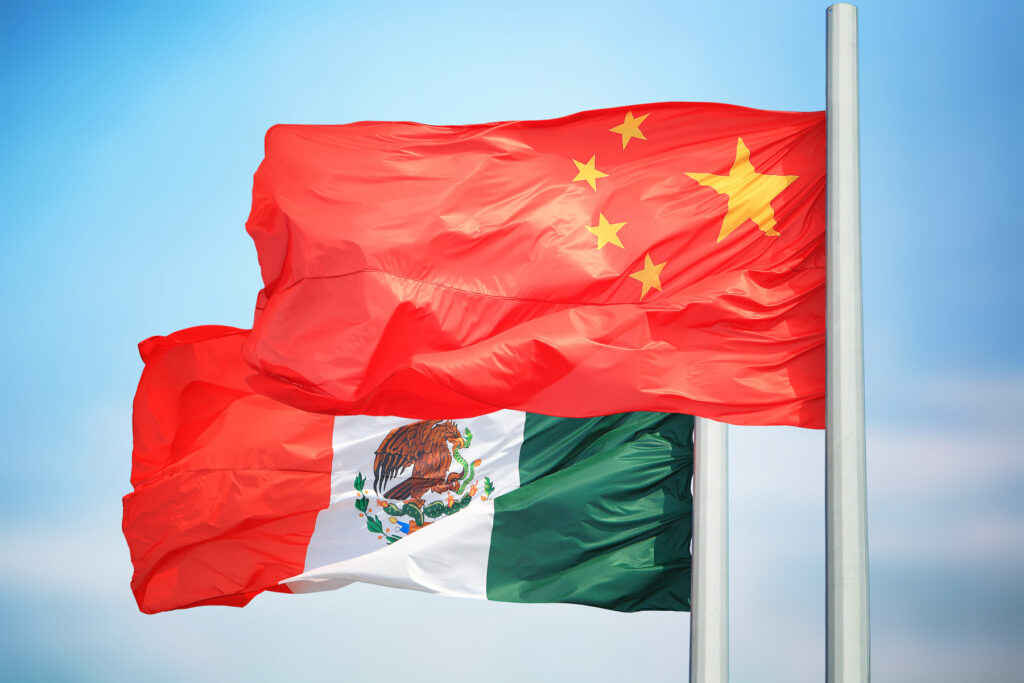
China Mexico

Then 2020 came and everything changed.

In the aftermath of a global lockdown, 2021 saw massive spending. Increased US consumption snarled shipping ports, with literally hundreds of cargo ships from China drifting in deep water for a turn to unload. Shortages gripped the US and other major consumer markets. Containers that had cost $2,000 to ship from China to the US were now costing $20,000. 

Then the Ukraine war began. 

Commodities prices again spiked. Supply chains that stretched across the globe became increasingly vulnerable and fragile. Shortages and swift changes in demand exacerbated the situation even further. The prospect of sourcing materials and parts from the other side of the planet made less sense than ever. And for many, the very concept of globalism began to look outdated

Meanwhile, the Trump-era trade war with China was still in full swing. Under President Biden, the tariffs remained at record highs. China’s manufacturing might was faltering. And just south of the US border, without much fanfare, a cycle that began in the 1990s came full circle:

Mexico became the new biggest US trading partner, unseating China’s decades-long reign.

China’s Decline

China’s manufacturing sector, compared with that of Mexico, is clearly on opposite tracks. New export orders are contracting sharply (down 40%). Manufacturing activity is sliding. Overall composite PMI stands at approximately 50.9, suggesting vulnerability. Property prices in the Asian country are declining. And global demand for products made in China is waning. 

Global market share for Chinese manufacturing isn’t what it was in the 1990s – or even the 2010s. And the long-term declining trend is undeniable. China’s manufacturing is faltering. And there are many factors that can be blamed for this decline of China’s manufacturing sector.

  • Zero COVID: The country’s years of “Zero COVID” policy has profoundly impacted the country’s manufacturing economy and greatly exacerbated existing challenges. The years of widespread lockdowns, mass testing, and strict enforcement crippled recovery efforts and damaged the country’s appeal as a business hub.
  • Rising Costs:  Producer prices have surged to their highest levels in 13 years. Consumer prices are up by 9% over the past year. Chinese manufacturers, simply can’t absorb increased expenses. Raw materials are soaring. Transportation costs have remained high. Labor costs are skyrocketing. And the Trump-era tariffs remain at crippling levels.
  • A Declining Population: Formerly the world’s former largest nation, China now faces a shrinking and aging population, shrinking its capable workforce. Birth restrictions have sent population levels into a tailspin, leading to a loss of its title as the world’s most populous nation to India. 25% of the total Chinese population will be over 65 years old in 2040. And this aging population comes at the detriment of domestic manufacturing.

But remarkably, China has not given up on the US market. Nor has it abandoned its hopes for manufacturing domination. In fact, the country has been working an angle since even before the Trump trade war.

China’s Mexico Loophole

In 2014, China’s investment in Mexico spiked. Virtually non-existent until that point, it went from nearly nothing to $1.1 billion USD. A full decade ago, the savvy manufacturing giant saw a shift coming and began constructing a bridge. But what may have been a hunch or whim at first quickly became apparent to China. They doubled down. In 2016, they invested approximately $5.5 billion in the Mexican market. 

Now, the past several years have been hard on China’s overall economy. But they’ve continued dumping massive amounts of cash into Mexico’s manufacturing scene. In spite of the dire need for domestic investment, China still poured nearly $3 billion into Mexico in 2022. And Chinese manufacturing companies are flocking to Mexico in droves.

Just a few recent examples:

  • The Lingong Machinery Group is building a $5 billion factory to manufacture construction equipment.
  • Trina Solar is investing $1 billion in its Nuevo León operations to manufacture solar panels.
  • MG, BYD, Chery, and other Chinese EV manufacturers are planning multi-billion-dollar investments.
  • Lizhong, a Chinese manufacturer of automobile wheels, is building their first-ever non-Asian factory in Nuevo León.

And why is China investing literally billions of dollars in Mexico? Put simply, Mexico provides a backdoor to the US consumer economy. As a member of the US-Mexico-Canada (USMCA) agreement, Mexico enjoys little to no tariffs on imports and exports with other member nations. This loophole theoretically allows China to operate factories in Mexico for export to the United States without the prohibitive tariffs or other associated costs like trans-pacific shipping. 

So long as these products meet minimum requirements for sourcing materials in within the North American bloc, they may enjoy the same tariff protections any other goods do in Mexico. This, however, is easier said than done.

Chinese companies who come to Mexico want to rely on deeply entrenched supply chains from Asia. But even if their goods fail to meet the minimum requirements and are subject to tariffs, the duties on goods from Mexico are much lower than on those from China. It’s a win all around.

Mexico Is the Future of Manufacturing

But it’s not just that Mexico serves as a loophole to the trade war. China observed Mexico’s rising star more than a decade and began forming inroads and nourishing a partnership with Mexico years before Trump was even elected. 

Why? 

Clearly, China noticed that Mexico contained all the necessary ingredients for a manufacturing success story:

  • Skilled, low-cost labor
  • Steady population growth
  • Strong IP protections
  • Proximity to the massive US consumer market
  • Strong ties to Latin America and Europe
  • Over a dozen free trade agreements
  • Strong infrastructure investment

And over the past decade, these factors have merged with a moment in world history when what Mexico has is uniquely valuable. Call it a geopolitical planetary alignment. Call it a shift to localism over globalism. Call it an economic strategy that paid off. Whatever you call it, it’s working. Mexico is producing more now than ever

However you look at it, Mexico has a lot of advantages for business. And the rising Chinese investment in that country points to a new paradigm in manufacturing – one in which the United States and Mexico are partners. Indeed, the future looks very positive for Mexico in the long-term. And that’s a forecast even China is willing to gamble on.

How Mexico Unlocks the Advantages of USMCA for US Manufacturers

The United States-Mexico-Canada Agreement (USMCA) replaced NAFTA in the summer of 2020, ushering in new opportunities for US manufacturers to outsource manufacturing operations to Mexico. Mexico’s strategic position within this agreement unlocks several key benefits for US companies seeking to expand production south of the border. 

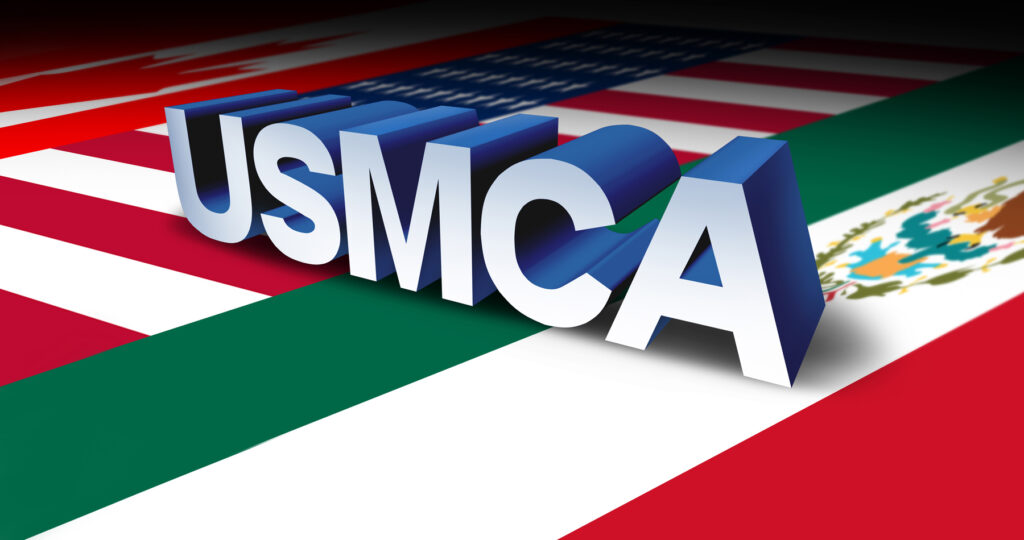
advantages of USMCA

And the advantages of USMCA are much like those afforded by the former NAFTA. But by some estimates, this new agreement is a marked improvement. Below are just some of the advantages of USMCA, specifically for US manufacturers doing business south of the border. 

  1. Streamlined Trade and Market Access

Mexico serves as a vital link in the USMCA, providing US manufacturers with streamlined access to North American markets. By producing goods in Mexico, companies can leverage duty-free exports to the US and Canada, reducing trade barriers and enhancing market competitiveness. Mexico occupies a strategic location for US manufacturers, and this allows them to tap into a vast consumer base while also taking advantage of efficient supply chain logistics under the trade agreement. 

While certain duties and tariffs may persist under the USMCA, the agreement outlines a phased reduction of tariffs on various goods traded among member countries. This tariff elimination benefits US manufacturers in Mexico by reducing production costs and improving market access within North America. By capitalizing on duty-free treatment, US companies can remain competitive in the global marketplace and expand their market share in key sectors such as automotive, aerospace, and electronics.

  1. More Favorable Rules of Origin

The rules of origin under the USMCA have improved and help US businesses unlock trade benefits while operating in Mexico. So long as goods produced in Mexico meet specific criteria for origin and content, they usually qualify for duty-free treatment when exported back to the US. And of course, greatly facilitates cross-border commerce and supply chain integration. This encourages US manufacturers to source materials and components locally, stimulating regional economic growth and bolstering North American supply chains.

  1. More Resilient Supply Chains

Mexico’s participation in the USMCA strengthens North American supply chains by encouraging the use of regional content in manufactured goods. Global supply chains are too risky and crisis-prone. US manufacturers in Mexico benefit from sourcing materials and components within the region, enhancing efficiency and promoting economic integration. 

This collaborative approach enhances strategic partnerships among US, Mexican, and Canadian businesses, driving innovation and competitiveness across industries.

  1. Fairer Trade Practices

Mexico aims to counteract unfair trade practices. The regulations under USMCA promotes a more level playing field and protects US manufacturers from potential trade disputes. The agreement also enhances market transparency and creates a fair and open space for businesses operating within the region.

  1. Elevated Labor Standards

Under the USMCA, Mexico is committed to improving labor standard. This in turn benefits US manufacturers by promoting fair treatment and better working conditions. As a result, workforce productivity is boosted while setting up a positive business environment for foreign investors. 

It just makes sense. When US manufacturers invest in human capital and talent development within the USMCA framework, they can better cultivate a skilled workforce and drive sustainable growth. Mexico offers access to a deep pool of skilled labor coupled with common-sense labor regulations that promote a better workplace experience and productivity. 

  1. Enhanced Intellectual Property Protections

One of the most overlooked advantages of USMCA is that US manufacturers operating in Mexico benefit from strengthened intellectual property protection. Enhanced safeguards for patents, trademarks, and trade secrets protect businesses’ innovative technologies and proprietary assets. 

Without this intellectual property framework, American businesses wouldn’t be able to focus as much on innovation and creativity. But because of this framework of IP protections, US manufacturers can more easily safeguard their investments and capitalize on emerging market opportunities.

  1. Increased Digital Trade

E-commerce is big. And one of the unique advantages of USMCA provisions is the promotion of digital trade between member countries. This allows US manufacturers in Mexico to leverage e-commerce and digital services in cutting edge ways to affect the bottom line. 

Cross-border data flows enable companies to reach new customers and expand market opportunities within North America. By embracing digital transformation, US manufacturers can enhance customer engagement, optimize supply chain operations, and unlock new revenue streams in the evolving digital economy.

Leveraging Advantages of USMCA While Navigating Regulations

It goes without saying that the USMCA agreement is a massive regulatory framework, and compliance should be a priority. However, the clear and expansive advantages of USMCA vastly outweigh the efforts required to fully understand and implement its rules. 

Indeed, understanding and navigating the USMCA’s regulations is essential for US manufacturers looking to capitalize on Mexico’s role within the agreement. While some duties and tariffs may still apply in specific, limited scenarios, the overall benefits of duty-free trade and regulatory alignment offer significant advantages for businesses. Mexico’s adherence to USMCA provisions ensures a predictable and favorable trade environment. And this allows US manufacturers to plan and operate with confidence in the Mexican market.

To fully unlock the advantages of USMCA, US manufacturers should invest the time to understand the regulations, compliance, and supply chain integration thoroughly. Mexico’s strategic position within the agreement allows businesses to optimize operations and capitalize on the benefits of duty-free trade and market access. Of course, this requires strategic planning, collaboration with local partners, and continuous adaptation to evolving trade dynamics within the North American region. 

But Mexico’s role within the USMCA offers strategic advantages for US manufacturers seeking to expand operations and access North American markets. This redo of the NAFTA agreement puts Mexico in a unique position to help US companies unlock duty-free trade, streamlined regulations, and enhanced market access. 

North America is now a dynamic regional economy. Regionalism under the USMCA agreement presents a wealth of advantages over the globalism of the past. And by embracing regulatory compliance and supply chain integration, US manufacturers can thrive in the evolving landscape of North American trade and commerce. With Mexico serving as a strategic partner in the USMCA, US manufacturers have a unique opportunity to expand their footprint, drive innovation, and capture market share in one of the world’s largest trading blocs.


7 Strategic Reasons to Nearshore to Mexico

As this decade continues to unfold, instability and volatility seem to be here to stay. Companies who have bet on Asian outsourcing as well as companies still considering their options are asking the question, What about nearshoring? What about Mexico? 

7 Strategic Reasons to Nearshore to Mexico

And it’s a question worth asking. Just what are the reasons to nearshore? Do these considerations outweigh the calculus behind offshoring to China? 

Of course, each company is different. Every situation is not the same. And nearshoring may not be right for everyone. But there are certainly strategic reasons that nearshoring to North America in general, and to Mexico in particular, makes so much sense.

In many cases, for a lot of manufacturers, manufacturing in Asia just doesn’t provide the same advantages as it once did. These leaders and forward thinkers are discovering a far more attractive way to outsource manufacturing operations by leveraging Mexico. And below are just a few of these reasons to nearshore.

  1. A More Resilient Supply Chain

In the past few years, the economic world has been in flux. Severe supply chain crises rocked the global marketplace, leaving companies in the lurch. Product scarcity and unavailability reduced market share and soured consumer perception of some brands. 

As such, the past few years has seen a renewed interest in nearshoring to Mexico to ensure supply chain resiliency. Rather than sourcing parts and products from across the globe, these parts are now available just south of the border, mere days from US consumers.

Nearshoring enhances a company’s ability to weather disruptions. It helps them succeed and thrive in an ever-changing business landscape. Manufacturing in Mexico makes this inherent flexibility and resiliency accessible to US-based companies. By leveraging Mexico’s proximity, infrastructure, and competitive advantages, manufacturers are positioned for enhanced efficiency, reduced risk, and more long-term success.

  1. Better Flexibility

Hand in hand with this is the enhanced flexibility achieved by this proximity. When time to market matters more now than ever, and changing demand requires greater flexibility, nearshoring in Mexico stands out as an attractive option. 

Customer demands change rapidly in today’s market, especially in recent years, when situations can change dramatically in very little time. Manufacturers must have the ability to respond to these market changes rapidly without major disruption.

  1. Proximity Affords Ease of Management and Faster Shipments.

If you’re going to outsource manufacturing, it’s not easy to manage operations on the other side of the planet. The benefit of managing operations in the same time zone or close to it simplifies things greatly. And if an on-site trip is required, driving is an option, or a flight to the factory and back can be a mere day trip.

Likewise, shipping times are reduced dramatically. Factories can store less inventory and maximize production space. Scale becomes more predictable. In fact, border areas like Baja California host major manufacturing clusters in many major industries and are a mere border crossing away from US distribution.

  1. China Is Fading from the Top,

Another of the primary strategic reasons to nearshore is that China is no longer the manufacturing powerhouse it once was. Yes, it built entire supply chains and supplier networks in the region, but its population is now aging, wages are rising at an alarming rate, IP protections are problematic to put it mildly, and years of draconian regulations have cast a lasting pall over long-term economic prospects. 

China is on the decline. The future of manufacturing is Mexico. And as the shift is made to return to North America, even Chinese companies want to invest in Mexico. Even they see the writing on the wall and are making the switch to Mexico. 

  1. A Tariff Advantage

Basing manufacturing operations in an offshore location in southeast Asia exposes the parent company to import/export liabilities and expensive tariffs. This is especially true of China, which has been embroiled in a trade struggle with the US for years. 

But when dealing with a neighboring country like Mexico, tariffs are usually minimal. The USMCA agreement greatly benefits US manufacturers operating in Mexico. In fact, Mexico and the US trade inputs and finished products back and forth across the border almost entirely duty free for most products.

  1. Globalization Is the Old Way.

In the 90s, globalization was the way of the future. Major trade barriers were removed, and international cooperation reached a zenith. It was the smart and informed thing to do to remove margins and flexibility in exchange for increased profitability. In short, the world was a safe place to manufacture, and companies capitalized on this secure climate. 

But this does not reflect the modern order. Today’s markets are anything but secure and consistent. As such, leading companies are rethinking globalization. Among the main reasons to nearshore is the reduced benefit of a global supply chain, vulnerable and unforgiving. No longer is efficiency the buzzword, but resiliency, flexibility, and time to market. 

  1. The Unique Benefits of Mexico

Not only is the way we think of international manufacturing changing, but Mexico is also emerging as a major player on the world scene. Mexico offers incredible advantages for nearshorers. From their strong IP protections to their stable and low cost of labor to their cultural similarities, manufacturing in Mexico is much simpler and profitable than the alternatives. 

And there are different modes of entry, as well. For smaller companies with unpredictable volume and low profit margins, there are contract manufacturers. For large companies with the capital to buy a wholly owned subsidiary, Mexico affords a low-cost manufacturing advantage over competitors. And for everyone in the middle, there is maquiladora manufacturing through a shelter service. This option allows maximum management benefit without all the hassle, and opens up the cost advantage without the liability. 

So, if you’re trying to understand why so many companies in the US are making the switch, these varying reasons to nearshore show the rationale behind the shift. The world has fundamentally changed in the past decade. And those companies that recognize this and act now can stay ahead of the curve and enjoy considerable advantages over the competition.

How Driverless Trucking is Changing the Future

When it comes to shipping product cross-country, trucking is king. The US and every developed nation in the world rely on an extensive network of 18-wheelers manned by a brotherhood of truck drivers to bring the goods to market. These tireless workers put in long hours to safely navigate interstates and highways, and are typically paid by the mile. We rely on them to deliver everything from bananas to boat parts, medical devices to automotive components, furniture to flame throwers.

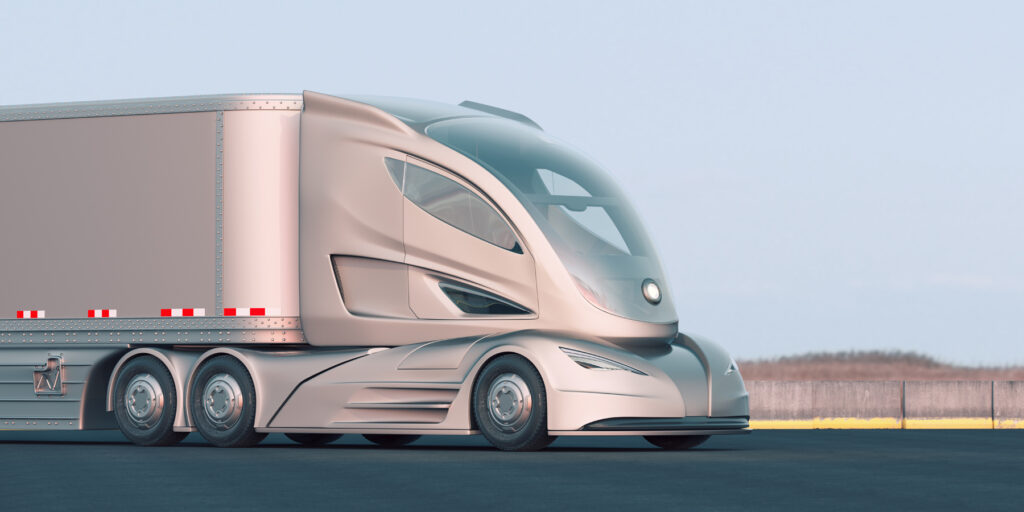
driverless trucking

But could that all be changing? With the rise of AI, robotics, and the computer age, driverless trucking has become a very real prospect for the near future. Truck drivers may soon go the way of the dinosaur. It’s conceivable that these self-driving machines might soon be transporting many tons of cargo down the highway with no one behind the wheel.

Skeptics say this prospect sounds terrifying, that machines don’t have the reflexes of human beings, that it will cost too many jobs, that the technology is just too expensive. But proponents are already rolling out the technology. And now the question really becomes more about scaling. It’s no longer a matter of if but when driverless trucking will become a reality.

Self-Driving Trucks Currently

Whether your company is engaged in local trucking in a given metro area or cross-country long hauls or cross-border trucking between countries, the prospect of self-driving trucks probably piques your interest. And if you believe some of the marketing, you may think it’s already taking over. But that’s not quite what the current picture shows.

Yes, self-driving trucks are already on the road in some places. In early 2022, Kodiak Robotics teamed up with U.S. Xpress to put a self-driving truck on a route between Dallas and Atlanta. The truck drove four round trips, delivering eight loads of freight, and traversing 6,300 miles. And it completed these trips in just five days. A truck driver would have needed at least 10.

But we’re not talking about driverless trucking just yet. Yes, these were self-driving. But they had humans in the seat at the wheel. Currently, the industry is not quite ready to turn these machines loose without “safety drivers” to step in if needed. And records show, this and other test runs have required quite a lot of stepping in and manual overrides.

Unanswered Questions

While the hope is to cut down on delivery times and driver salaries, there are still numerous questions that need to be addressed. For example:

  • How will driverless trucks navigate more complex city grids as opposed to simple interstate stretches?
  • How would they handle roadside inspections and customs processing?
  • How would a driverless truck address blowouts and similar problems?
  • How can a driverless vehicle set up safety triangles and flares in a breakdown? 
  • If driverless trucks go EV in the future, won’t their need to recharge slow them down much like having a driver that needs rest?

Major Players Propelling the Change

Still, there are a number of companies who believe they can answer these questions if given the time. They are already working to make driverless trucking part of the future. In February, the Consumer Electronics Show (CES 2024) hosted several of these game changers who made their pitch for a future in which we trust 35,000-pound 18-wheelers whizzing down the highway with no one at the wheel. 

This showcase of Automated Driving Systems (ADS) included many well-established players like Bosch, Mobileye, and Valeo. But it also showed how powerful and adept emerging industry leaders are becoming.

Gatik was the first company in the world to put driverless trucks on the road in 2021 with WalMart. They now offer autonomous trucking for customers in retail, manufacturing, grocery, and more. Their truck boasts full, built-in redundancy and an enhanced sensing suite. They plan to release “freight-only” services (meaning no driver onboard) by the end of this year.

Aurora Innovation is rapidly becoming a dominant force in the ADS field. They’re now partnering with Continental to allow for massive production at scale by 2027. Their system will include multiple redundancies and backups in the case of sensor or component failure, complete with a secondary computer totally isolated from the primary system should all else fail.

Kodiak Robotics isn’t partnering with an OEM or relying on one to build redundancy systems into the hardware. They’re taking this role on, themselves, with comprehensive fail-safes such as triple break actuators, dual-redundant steering, and two fully isolated electrical systems to power their ACE safety computer.

Daimler has also teamed up with Torc Robotics and plans to launch a fleet in 2027.

Pushback

With several companies set to launch driverless trucking fleets by the end of this year, there are calls to regulate and restrict this inevitable technology shift. The current federal stance on driverless trucking is that, if it’s not illegal, it’s legal. In other words, in all but the 10 or so states that have restricted it, driverless trucks are legal from a federal standpoint. 

Many states are silent on the matter, but other states like Florida and Texas have passed legislation to establish it as legal. But there are a few, like California and New York, that have placed limits like prohibiting vehicles over 10,000 pounds from being driverless. 

Currently, driverless vehicles display a profound ability for safety and complex detection and response. In fact, courtesy maneuvers are even built into the software to enable these trucks to “play nice” with other cars on the roads. Yet, there are safety concerns about such large vehicles traveling at high speeds unmanned.

And there is also concern for the loss of jobs that may accompany driverless trucking. Yet others point out that this new technology will also create new jobs. For example, while turnover is around 95% for truck drivers due to burnout from being away from home, etc. driverless vehicles may actually provide a more attractive alternative. Because navigating in cities is so much more complex, we may see truck drivers continue working within cities, picking up cargo from a drop-off site just outside of town. This would allow a more convenient work schedule and home life for drivers.

Additionally, it’s becoming clearer that any job displacement will take years. One study indicated the worst-case scenario would be about a 2% layoff rate over the next five years. And many of these drivers could get new jobs as dispatchers, maintenance technicians, and fuelers.

While driverless trucking isn’t quite here in the truest sense just yet, it does seem to be just around the corner. But that corner will take some time to round, and the future may present just as many pros as cons. There will likely be both jobs lost and jobs created, safety concerns and safety improvements. Regulation may play a role in the speed and scale of adoption, but whatever the route, it seems very likely that self-driving trucks will play a large role in the future of transportation.

When to Use a Mexican Shelter Service

While the global manufacturing world deals with market shifts and a potential looming recession, relocation continues to be a hot subject. Specifically, manufacturing executives are interested in nearshoring to Mexico for its cost efficiency, proximity to the US, and many other factors. And the prospect of utilizing a Mexican shelter service only adds to this appeal.

Mexican shelter service

Businesses seeking efficiency and cost-effectiveness are increasingly turning to Mexico for nearshoring operations. And it’s no surprise. While Asia has surely been more popular in the past, Mexico’s advantages now make it a far more compelling alternative for US companies. And by leveraging a Mexican shelter service, these companies are finding they can simplify the transition, maximizing the benefits of operating in this dynamic market.

Choosing Mexico is Advantageous

The reasons manufacturers choose Mexico are clear and obvious. Mexico offers US businesses clear advantages, some of which include:

Proximity: Mexico’s geographical advantage provides numerous logistical advantages for businesses serving US markets. With swift transit times, streamlined supply chains, and efficient communication, companies can maintain lean inventories and enhance supply chain resilience, all with better oversight, minimized risk, and closer supply chain management.

FTAs: Mexico’s participation in various free trade agreements, such as the USMCA, grants seamless access to global markets, reducing or eliminating tariffs. 

Low-Cost Labor: Mexico boasts a deep pool of skilled labor at competitive rates. Unlike the US, where labor costs are rising rapidly, Mexico offers a stable labor market with affordable skilled workers, allowing US businesses to trim operational costs without compromising on quality.

IP Protections: Mexico stands as a robust ally for US companies in the realm of intellectual property (IP) protections. With a legal framework aligned with international standards and a strong ranking for IP protections, Mexico offers a secure environment for safeguarding innovation. 

IMMEX: Mexico’s IMMEX program allows foreign companies to operate maquiladoras or factories with reduced or eliminated duties and tariffs. Under this trade program, US businesses can enhance their operational efficiency and competitiveness in the global market, especially when coupling this with a shelter service.

Key Factors to Consider Before Relocating

While relocating manufacturing operations to Mexico offers numerous advantages, it’s crucial for US manufacturers to tread cautiously and consider several factors before making the move.

  • Labor Costs: Lower wages in Mexico may attract US manufacturers, but it’s essential to account for additional expenses like benefits, training, and turnover rates.
  • Infrastructure: While Mexico boasts modern infrastructure in some areas, it’s important to assess the location’s infrastructure, including energy grids and transportation networks.
  • Supply Chain: Careful planning is necessary to avoid disruptions in the supply chain. Manufacturers should evaluate the impact on suppliers, customers, and transportation costs.
  • Regulations and Taxes: Compliance with Mexican regulations and understanding tax implications are imperative to avoid fines and penalties.
  • Security: Addressing concerns about crime and violence with robust security measures is crucial for the safety of employees and facilities.
  • Language and Culture: Effective communication channels and cultural sensitivity training are essential to bridge language and cultural differences.
  • Labor Laws: Comprehending and complying with Mexican labor laws is crucial to avoid legal issues.
  • Training and Development: Providing adequate training and development programs ensures the workforce meets industry needs effectively.

How Shelter Manufacturing Works

So, just what is shelter manufacturing, and how exactly do shelter services work? Simply put, shelter manufacturing simplifies the process of initiating and managing manufacturing operations in Mexico, with service providers handling administrative and compliance tasks like securing permits, registering the foreign entity, and managing legal and labor compliance. 

By delegating these crucial aspects to experts, manufacturers can focus on core production activities, leading to quicker and more efficient operations. Shelter services operate as partners, offering control over project quality while eliminating the headaches of establishing a foreign factory. Providers manage tasks such as company registration, permits, and human resources, allowing manufacturers to start production swiftly and hassle-free.

6 Benefits of Using a Mexican Shelter Service

Choosing a shelter service in Mexico offers a stress-free pathway to leverage the country’s advantages while minimizing risks. By streamlining startup processes, reducing tax exposure, leveraging established relationships, ensuring operational efficiency, and enhancing security, businesses can maximize savings and competitiveness in the global market.

Here are just 6 important reasons your company might choose to use a Mexican shelter service when nearshoring to Mexico:

  1. Fast Startup: Partnering with a shelter service ensures a rapid startup process, cutting through red tape and bureaucratic hurdles. With logistics and paperwork handled by the shelter company, manufacturers can focus on product quality, getting a new factory up and running in a matter of weeks instead of months.
  2. Reduced Tax Exposure: Shelter companies offer tax incentives and minimize overall tax exposure for manufacturers. By not being liable for Mexican income tax and enjoying duty-free imports of materials and equipment, businesses can maximize savings while ensuring compliance with regulatory requirements.
  3. Established Relationships: Shelter companies have established relationships with local labor groups, ensuring fair wages and loyalty. They also have access to safe facilities and established supply chains, streamlining operations and reducing risks associated with vendor management.
  4. Operational Efficiency: Shelter services specialize in managing maintenance and utilities, alleviating operational hassles for manufacturers. With expert management of these issues, businesses can maximize efficiency and savings without the burden of day-to-day operational tasks.
  5. Enhanced Security: While Mexico is conducive to business, security concerns exist. Shelter services provide highly secured industrial parks and contract reputable security firms, ensuring the safety of personnel, shipments, and equipment.
  6. Streamlined Regulatory Compliance: Partnering with a shelter service streamlines regulatory compliance in Mexico, providing expert guidance on customs procedures, labor laws, and ongoing support to ensure adherence to local regulations and mitigate compliance risks.

Getting Started

When you’re ready to experience the simplicity of using a Mexican shelter service for your company, it’s absolutely crucial to start right. Begin the process by selecting the right shelter manufacturer for your operation. Conduct thorough research to ensure you choose a provider with a proven track record of success and reliability. Once you’ve made your selection, then it’s time to define your production requirements, including volume, lead times, and quality standards, to align expectations with your manufacturer.

Effective communication is essential. Establish clear channels with your shelter provider from the outset to facilitate a smooth collaboration. Additionally, be mindful of cultural differences between Mexico and the United States. You may need to adapt your approach as needed to navigate the distinct business culture of Mexico. But as this new partnership grows, you will find the balance and learn to maximize the benefits of Mexico for your business.

It’s easier than you think.

Get in touch and we’ll show you how.