Calculate your cost savings
TACNA 619.661.1261

When to Outsource Your Manufacturing Operations

In the competitive world of manufacturing today, companies must think globally. To ensure efficiency, flexibility, and profitability in today’s ever-evolving marketplace, producers are forced to think creatively. 

when to outsource

Inevitably, this leads to the question of when to outsource. Since manufacturing and assembly labor is often substantially more cost effective outside of the United States or most European countries, it makes sense to seek outside help. But is this always the right path? 

Outsourcing is always a big step to take. And it should never be taken lightly. Some companies are simply not at the level yet to take this on. But far more companies have simply never seriously considered this profitable option because they feared the complexity or risk. 

Knowing when to make this move – when to outsource – is crucial to long-term corporate viability. In this article, we’ll explain what outsourcing looks like, when you can tell it’s the right time for your operation, and how to get the most success from outsource manufacturing.

What Is Outsourcing for Manufacturers?

Outsource manufacturing encompasses a range of strategies for businesses to produce goods or services via third-party partners. These options encompass contract manufacturing, establishing a wholly owned foreign subsidiary, and utilizing shelter services for foreign factory operation.

There are three primary methods of outsourcing manufacturing operations:

  1. Contract Manufacturing

One of the traditional approaches to outsourcing, the contract manufacturing method involves businesses contracting with third parties for production. It lets companies harness specialized manufacturers’ expertise while focusing on their core strengths.

  1. Wholly-Owned Subsidiary

Establishing a wholly owned foreign subsidiary entails setting up a foreign company for manufacturing. This grants direct ownership, offering control alignment with strategic goals and enhanced flexibility.

  1. Shelter Manufacturing

Shelter services involve partnering with specialists to run foreign factories on your behalf. They offer infrastructure, resources, and legal support, managing tasks like payroll, taxes, and compliance—ideal for entering new markets or dealing with unfamiliar regulations.

Signals to Know When to Outsource

Businesses can enhance profitability by outsourcing, but not all tasks should be outsourced. Here are eight signals to help you determine when to outsource (and what), according to insights from Young Entrepreneur Council members:

  • Innovation Is Needed: If your team lacks the innovation to foster manufacturing success, consider outsourcing to specialists in this function.
  • Maxed Out Capacities: When your team’s capacities are stretched, projects stall. Outsource strategically, considering team needs and goals.
  • Inability To Deal with Specialized Tasks: If a manufacturing function takes too long internally or requires specialized expertise, it’s a candidate for outsourcing.
  • No Advantages to In-House Tasks: Analyze if keeping a function in-house provides competitive advantages. If not, outsourcing may be wise.
  • Scaling Too Fast: Rapid scaling can lead to customer service issues. Outsourcing the manufacturing function can help manage increased demand efficiently.
  • Assets Not Easily Available: If your company lacks the assets or equipment for a project, outsourcing is a sensible choice to ensure completion.
  • Prices Are Off: Assess your business’s efficiency and costs. Consider outsourcing parts or all of your manufacturing to increase efficiency and bring prices down.
  • Behind On Deadlines: If deadlines are looming and you’re falling behind, outsourcing some assembly or full manufacturing can help you respond quicker to changing market demands.

Recognizing the signals that indicate when to outsource manufacturing is crucial for businesses seeking to enhance efficiency and profitability. When there is a need for additional innovation or team capacities are stretched too thin, augmenting your team is a good idea. When there is a distinct need for scaling in your operation or a level of specialization you lack in house, partnering with outsourcers can meet those needs. By heeding these signals and making informed outsourcing choices, businesses can effectively streamline their operations and focus on core competencies while achieving sustainable growth and success.

Getting the Most Out of Outsourcing

In today’s fiercely competitive industrial landscape, outsource manufacturing has become a pivotal strategy for businesses striving to maintain their competitiveness and operational efficiency. To succeed in this arena, understanding and implementing best practices is essential.

Regardless of the chosen approach, outsourcing can lead to cost savings by tapping into regions with lower labor and operational costs, while also providing access to specialized skills and advanced technologies that enhance product quality and innovation. Additionally, it enables companies to streamline their operations, optimize resource allocation, and scale production according to demand fluctuations without significant investments in infrastructure or workforce.

Maximizing the benefits of outsourcing requires adhering to effective practices. Knowing when to outsource is your first consideration. But after that, prioritizing expertise, setting clear goals, fostering open communication, building strong partnerships, and monitoring performance are essential steps. Clearly defining timelines, coordinating working hours, seeking clarification when needed, and considering cultural and language aspects are also crucial to ensuring the success of outsource manufacturing initiatives.

Choosing the right outsourcing location is paramount. With its proximity to key North American markets, extensive network of free trade agreements, skilled labor force, and various outsourcing modes, Mexico stands out as a compelling alternative to other traditional outsourcing destinations. 

Clearly, embracing outsource manufacturing and adhering to best practices in an advantageous location can lead to remarkable cost savings, enhanced market access, and a supportive environment for long-term business growth.

Recent Signals Indicate Resilience for Mexico’s Economy

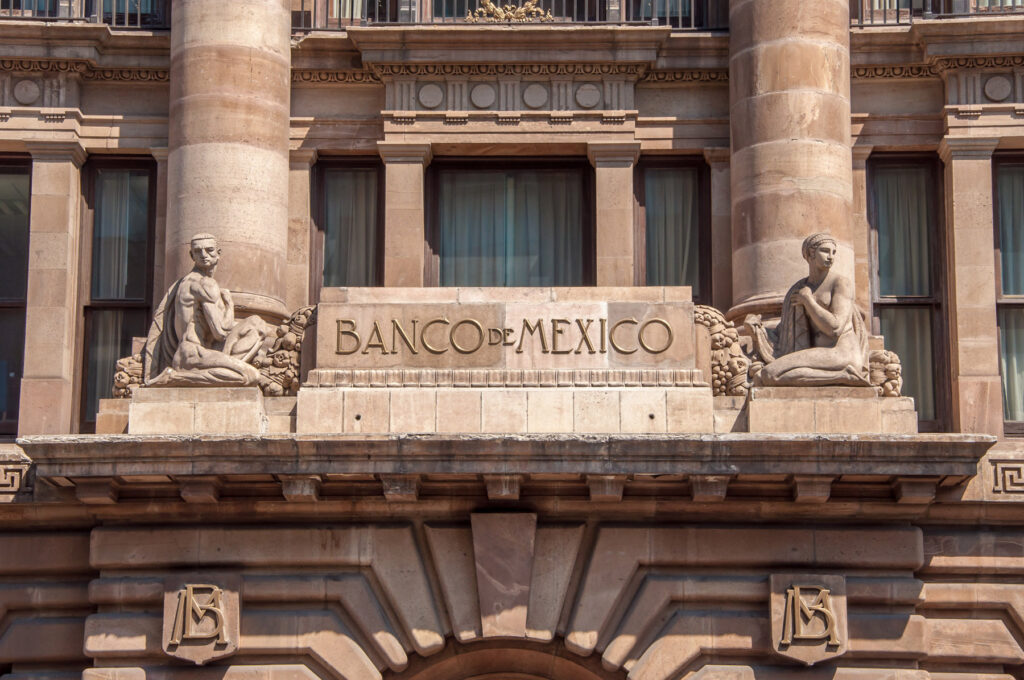
The Bank of Mexico is becoming more bullish on Mexico, once again raising economic projections for Mexico’s economy. In a sign of resilience set within a broader context of global uncertainty and sluggishness, economic data coming out of Mexico provide hope and optimism for the near future.

Mexico’s economy

Banxico Raises Forecast

The nation’s central bank, Bank of Mexico (or Banxico), has recently released its quarterly report. In it, the national bank increased its economic growth forecast for 2023. Previously a cautious 2.3%, the new forecast is now 3%

Although Banxico added that it expects Mexico to experience an economic downturn along with the US in the near future, current projections remain relatively optimistic. And while they will hold the country’s benchmark interest rate at its currently high levels to combat inflation, the bank slightly lowered its headline inflation forecast for the last quarter of 2023 to 4.6%, down from 4.7%.

Inflation remains a problem for many of the nations of the world, but Mexico’s central bank feels confident that current interest rates will help bring them down in Mexico eventually. And in the meantime, the economy continues to grow.

Mexico’s Economy

Over the previous few years, Mexico’s economy has displayed remarkable resilience, with several factors contributing to its positive trajectory.

  1. Global Supply Chain Diversification

Mexico’s strategic location and dynamic manufacturing sector have made it a preferred choice for businesses looking to diversify their supply chains. As the world seeks to mitigate supply chain vulnerabilities, Mexico’s role has become increasingly pivotal, boosting its economic stability.

  1. Foreign Investment Influx

Foreign investors are recognizing Mexico’s potential, resulting in a surge of foreign direct investment (FDI). This influx of capital not only strengthens Mexico’s economic foundations but also underscores its attractiveness as a destination for international business ventures.

  1. Promising Economic Signs

Mexico’s commitment to poverty reduction is delivering tangible results, with a declining poverty rate contributing to social stability. This positive trend not only enhances the well-being of its citizens but also fosters a conducive environment for economic growth.

Mexican Poverty Declining

Another symptom that Mexico’s economy is resilient is the country’s declining poverty rate. Over the past four years, Mexico has reduced its poverty rate from 50% to 43.5%, largely attributed to a doubling of remittances from Mexican workers abroad, particularly in the US. This economic boost has improved access to education and healthcare, fostering social mobility and increased market demand.

Collaborative efforts between the government, non-profit organizations, and international partners have also played a crucial role in creating opportunities for marginalized communities, including vocational training for labor services.

While challenges persist, such as extreme poverty among the most vulnerable, the 6% reduction in overall poverty in just four years signals Mexico’s progress on the global economic stage.

Additionally, Mexico’s declining inflation rate, stable energy costs, and food prices bode well for its economy. The country’s cautious monetary policy and role as the US’s top trading partner in the North American supply chain contribute to its sustained growth prospects.

Mexico’s dedication to uplifting its lower classes aligns with its economic strategy, ensuring a skilled labor force for modern industry. Gradual labor cost increases provide predictability and profitability for investors, making Mexico an attractive destination for global businesses.

Future Prospects

While 2023 data is looking good, there is reason to believe the future beyond this year is positive for Mexico’s economy, too. Banxico’s quarterly report also forecasted the country’s 2024 economic growth forecast to be 2.1%, up from 1.6%. In a clear signal of future resilience, Mexico’s central bank continues to upgrade forecasted growth, all while tempering this optimism with qualifiers about a potential, looming global downturn.

The quarterly report made special note about Mexico’s strong labor market and domestic spending as contributing to the economy’s resiliency. But it also cautioned that Mexico’s economy is “running hot,” and advised staying the course on the fight against inflation with a continued “conservative calibration of monetary policy.”

The Two Women Who Could Be Mexico’s Next President

In a pivotal shift for democracy in this Latin American country, Mexico’s next president will likely be a woman. The 2024 presidential race has seen the emergence of two prominent female candidates vying for the nation’s highest office. Indeed, these women are the only two viable candidates at this time for Mexico’s highest political office. 

Mexico’s next president

Mexican Democracy Evolving

The faceoff between two women for such a high office in a traditionally “macho” environment underscores the evolution of Mexican democracy, which in the past has seen periods of intense turmoil and difficulty. The country has witnessed repeatedly violence and corruption. Yet recent elections reflect real change, such as the turn from strongman politics to more liberal policies. Mexico’s democracy is truly strengthening and growing.

The contenders, Claudia Sheinbaum and Xóchitl Gálvez, each represent distinct ideological perspectives. Sheinbaum, hailing from the center-left Morena party, emphasizes social reforms and progressive policies. In contrast, Gálvez, affiliated with the center-right PAN party, champions economic stability and pro-industry measures.

But both candidates are united in their support for women’s involvement in Mexico’s government. “This is women’s time. We have to build a different culture, one in which women and men are equal,” Sheinbaum recently declared to a crowd cheering her name. Gálvez has told stories of her confrontations with tough men, including with her hard-drinking father. She has pledged to fight for equal pay for men and women.

Both candidates have already garnered substantial support, and their campaigns are marked by robust coalition building. Current President Lopez Obrador is constitutionally prohibited for running for another term. But in spite of his policies being perceived by some as anti-business, he maintains a popularity rating around 60%. The party he founded, Morena, hopes to hold onto their majority and elect Sheinbaum.

This contest for Mexico’s next president symbolizes a continued rejection of strongman politics, emphasizing democratic values, pluralism, and the rule of law. As the race unfolds, it remains to be seen how these female candidates will navigate the complex political landscape. Nonetheless, both women present a curious wrinkle in the fabric of Mexico’s political and cultural landscape.

Who is Claudia Sheinbaum?

Claudia Sheinbaum, a prominent figure in Mexican politics, has emerged as a leading candidate in the 2024 presidential race. As a member of Mexico’s ruling party, Morena, Sheinbaum brings a wealth of experience to the forefront. She is the undisputed frontrunner in this election. In a head-to-head poll between the two female front-runners, Sheinbaum got 55% support and Galvez 34%.

Sheinbaum’s political career includes serving as the mayor of Mexico City, where her tenure has been marked by a focus on social reforms and progressive policies. Her affiliation with Morena makes her the heir apparent of current President López Obrador, who leads the party. This connection positions her as a formidable contender, benefitting from the party’s existing support base and alliances. 

Her emphasis on social justice and progressive values resonates with a significant portion of Mexican voters, particularly those seeking continued change and reform. AMLO has enacted a number of economic programs to provide relief funds to Mexico’s poorest, which seems to be reducing the poverty rate. Sheinbaum’s success in navigating the complex political landscape will depend on her ability to expand this appeal with Mexico’s lower classes to the middle class while maintaining unity within Morena’s diverse coalition.

Who is Xóchitl Gálvez?

Xóchitl Gálvez has become an unlikely contender to become Mexico’s next president. And her journey to this position is marked by a unique blend of experiences and characteristics.

Gálvez’s backstory is rooted in a diverse range of roles, from an engineer to an indigenous rights activist. Her indigenous heritage, belonging to the Náhuatl people, sets her apart from many other candidates. This unique background brings attention to issues of representation and diversity in Mexican politics.

As a candidate, Gálvez appeals to those seeking a fresh perspective and a focus on environmental and indigenous concerns. Her advocacy for indigenous rights and environmental protection resonates with a growing segment of the population concerned about these issues.

When she was recently selected by the center-right PAN party, she was already riding a wave of popular support, especially among Mexico’s indigenous people and minorities. She has emphasized economic stability and pro-industry measures in her platform, attracting voters who prioritize economic growth and stability.

Gálvez has repeatedly criticized AMLO’s policies as aggrandizing executive power and undermining local cooperative systems of government. She believes Obrador’s administration leans towards authoritarian principles, which she perceives as a departure from the democratic ideals that Mexico embraced in the past two decades. 

Almost as if to confirm her critique, President Obrador has vowed to break a long tradition in Mexican politics and actively use his presidency to campaign against her. To deepen the irony, López Obrador has used tax information available only to government insiders to accuse Gálvez of insider dealing in government contracts. She flatly denies this charge, noting the López Obrador’s own administration has contracted services from her companies.

Mexico’s Next President

As the 2024 presidential race unfolds, Xóchitl Gálvez’s background and unique attributes will likely play a significant role in shaping her appeal to both middle class voters and minorities and ultimately her prospects for success. Her journey reflects the evolving landscape of Mexican politics and the growing recognition of the importance of diversity and representation in leadership.

But the administration she is taking on has a strong contender in Claudia Sheinbaum. If current polls can be trusted to hold until Mexico’s general election is held in June 2024, she stands to receive the torch from President Obrador. Whether she would govern in his style or chart a new course remains to be seen.

What does seem almost certain is that Mexico’s next president will be a woman. This will mark the first time in their long history that a woman has achieved such a prominent position of power. And it is likely the shift will reverberate throughout Mexico’s culture and classes for many years to come.

Canada’s US Trade Losing Ground

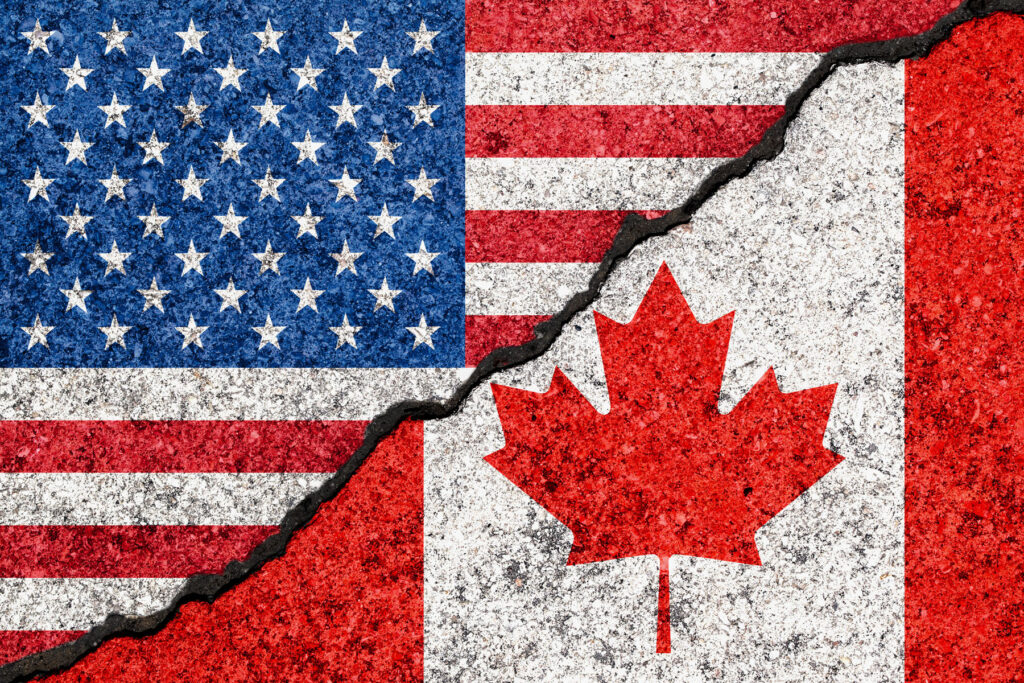
Canada remains one of the top trading partners with the US. In the past few years, Canada has been named the top US trading partner multiple times. But currently that title belongs to another North American neighbor, and it’s not the first time Canada has slipped – nor will it likely be the last.

Canada’s US trade

It appears that Canada’s US trade is in decline. There are several factors contributing to this shift, and none of them seem to be going away anytime soon. While the northernmost member the USMCA (formerly NAFTA) will continue trading at high volumes with the United States, it does seem this trade waning. How far will it slide? Maybe not far.

Canada has a lot to offer the US. And conversely, the US has a lot to offer Canada. But this race has other contenders. 

Canada Loses Top US Trade Partner Status

In a significant shift, both Canada and China have now been surpassed by Mexico as the top US trading partner. While Mexico’s ascent and China’s descent are both noteworthy, Canada finds itself falling behind in the race. In spite of starting this year at the top, Canada is no longer the top US trading partner. And the dynamics at play reveal a complex tapestry of trade trends.

The latest data illustrates Mexico’s rise, propelled by a strategic approach that blends manufacturing prowess with geographic proximity. This proximity has granted Mexico an edge in just-in-time supply chains, a factor pivotal to its success. On the other hand, Canada’s trade landscape faces challenges as its traditional sectors grapple with transformational shifts.

The ascendancy of Mexico is linked to its agile adaptation to global demands, particularly in electronics and automotive sectors. Meanwhile, Canada grapples with diversification obstacles as its resource-dependent industries endure volatility. Moreover, regulatory hurdles have at times hampered Canada’s trade ambitions.

While they remain a crucial trading partner, Canad’s US trade is undoubtedly on the descent. And this shift serves as a reminder that the global economic tableau is in constant flux. The competitive trade arena demands adaptive strategies from nations, ensuring they align with evolving market dynamics. As Mexico takes the lead, Canada faces the task of recalibrating its trade approach to regain its former glory.

Mexico’s Star Rising

Mexico has recently solidified its position as the premier trading partner of the United States. And this remarkable feat signifies that Mexico’s economic prowess and strategic acumen are indeed growing. The country’s advantageous geographic location, among other advantages, has positioned it as a linchpin in global supply chains.

Recent data showcases Mexico’s surging exports, propelled by its agile adaptation to shifting consumer demands. The nation’s diverse range of industries, from automotive to electronics, has driven this remarkable growth. Moreover, Mexico’s investment in infrastructure has bolstered its connectivity, ensuring seamless trade flow.

As Mexico’s star continues to rise, it exemplifies the importance of dynamic trade strategies and forward-thinking policies. This achievement not only strengthens bilateral relations but also underscores the vitality of fostering adaptable economies in an ever-evolving global landscape.

China’s Star Fading

Yet while Mexico is giving Canada a run for its money in this three-way race, China’s once-unchallenged status as a paramount trading partner for the United States faces a stark downgrade. The trajectory of China’s manufacturing sector, fraught with challenges, raises concerns about its enduring prominence.

A confluence of factors, from rising production costs to supply chain vulnerabilities, has eroded China’s competitive edge. The shift towards higher value-added industries in the US has further dented China’s manufacturing prowess. This, coupled with geopolitical uncertainties, prompts a reconsideration of trade relationships.

China’s road ahead is rife with complexities. The nation’s efforts to pivot towards domestic consumption-led growth have yet to yield substantial results. Meanwhile, countries like Vietnam and Mexico are capitalizing on China’s decline, emerging as attractive alternatives for US trade.

The shifting landscape underscores the need for adaptable strategies in the face of evolving global dynamics. While China’s star may be fading, this transition offers an opportunity for the US and its trading partners to forge new economic alliances that align with the demands of the future.

Canada’s Long-term Trade Prospects 

While Canada’s US trade is still strong, this summer has not been kind to the northern neighbor. Their trade landscape witnessed an unforeseen twist in June, as the nation posted a trade deficit of $2.77 billion USD. This figure, surpassing expectations, signals challenges in the country’s economic equilibrium.

The data reveals a decline in exports, chiefly due to lower shipments of energy products and automobiles. Simultaneously, imports remained steady, reflecting sustained domestic demand. These dynamics cast a spotlight on the vulnerability of Canada’s commodity-centric trade strategy.

The trade deficit underscores the need for diversification, particularly in a rapidly evolving global market. Canada’s reliance on traditional sectors necessitates a strategic shift towards value-added industries to mitigate future imbalances.

The situation poses questions about the country’s economic resilience and calls for a holistic reassessment of trade policies. A recalibration towards innovation and sustainable industries can potentially position Canada for a more balanced trade future. As global dynamics continue to shift, adaptability remains paramount in securing Canada’s economic stability.

Canada’s trade partnership with the US, once a dominant force, is facing a period of change and challenges. While still a significant player, Canada’s position has slipped, with Mexico emerging as the new top US trading partner. The shifting trade landscape, driven by factors like Mexico’s manufacturing prowess and China’s decline, prompts a need for adaptive strategies.

Amid concerns, there’s optimism for Canada’s US trade going forward. The nation possesses potential to recalibrate its trade approach, transitioning from commodity dependency to value-added industries. This shift can address vulnerabilities and bolster economic stability. While Mexico’s rise exemplifies the importance of dynamic strategies, Canada’s journey underscores the need for innovation and diversification to regain and sustain trade prominence in the ever-evolving global arena.

Mexico’s Poverty Rate in Decline

Mexico has been on a transformative path for many years now. And in its fight against poverty, the country has made impressive strides. Most recently, Mexico’s poverty rate has shown notable improvement. New numbers reveal a shift indicating real progress over the previous year for the country’s impoverished lower-class workers.  

Mexico’s poverty rate

Mexico’s recent initiatives and programs reflect a dedicated stance in addressing a persistent challenge. And by all accounts, forward momentum is being made. As Mexico navigates this challenging trajectory, a tapestry of intertwined economic factors contributes to its potential for sustainable growth, alluding to a promising evolution on the global stage.

Mexico’s Poverty Rate Down

Mexico has made significant strides in reducing its poverty rate over the past four years, witnessing a decline from 50% to 43.5%. No doubt, a key factor contributing to this improvement is the nearly doubled remittance flow. Remittances are the monies sent back to Mexico by Mexican workers employed abroad – usually in the US. They have nearly doubled in recent years, and no doubt play a pivotal role in boosting the country’s economy and alleviating financial hardships for families.

The positive impact of this progress is evident in various sectors. And the increased financial stability has facilitated improved access to education and healthcare services for more Mexicans. This change is welcome news to the average Mexican, as social mobility has witnessed a welcome uptick along with it. Additionally, the expanded purchasing power of citizens has contributed to greater consumption and demand in the market.

Mexico’s commitment to tackling poverty extends beyond economic measures. It’s no secret: collaborative efforts between the government, non-profit organizations, and international partners have been instrumental in creating opportunities for marginalized communities. Vocational training is empowering workers to provide much-needed labor services to international producers. 

Naturally, challenges remain for Mexico. And the Latin American country still experiences extreme poverty among the nation’s poorest segment. But this recent reduction of overall poverty over 6% in just four years is no doubt another positive indicator that Mexico is improving on the global economic stage. And the nation’s dedication to sustaining this positive trajectory and implementing targeted policies underscores a promising future in its ongoing battle against poverty.

Other Positive Signals

As global manufacturers and leading companies continue to consider Mexico as an outsourcing destination, several positive signals stand out. Mexico’s poverty rate decline is only one of several recent factors that confirm Mexico’s unfolding potential. 

Mexico’s inflation rate continues its steady slowdown. This marks the sixth consecutive month of deceleration. Experts are attributing this good news to the reduction in energy cost increases and more stable food prices. The annual inflation rate for July settled at 4.81%, down from 8.7% last year.

The Mexican central bank has made it a top priority to maintain a tight monetary policy. And this has no doubt contributed to waning inflation. The Bank’s measures aim to stabilize the economy and anchor inflation expectations. And, as inflation eases, experts suggest that the central bank might have room to consider adjustments in its approach, balancing economic growth with price stability. 

In spite of the tightening, Mexico’s economy – especially manufacturing – is undoubtedly growing. And the nation’s cautious monetary stance and proactive economic strategies will play pivotal roles in ensuring a sustainable and resilient financial future.

Additionally, Mexico has further entrenched itself as the United States’ top trading partner. The symbiotic trade volume between these neighboring nations not only underscores their economic interdependence but also demonstrates the effectiveness of the North American supply chain with Mexico as a key component. 

The intricate web of imports and exports emphasizes the critical role Mexico plays in supporting the US economy. And the success of this regional partnership is yet another positive signal for Mexico’s sustained growth prospects.

Mexican Labor Key to Future Success

Mexico has a history of poverty throughout its history. But in recent years, the national government has made it a top priority to better the plight of the lower classes. While the current Obrador administration has been criticized for its liberal policies regarding public aid at the expense of the middle class, there is no doubt that the poorest of Mexicans have seen improvement over the past few years.

And Mexico’s poverty rate decline is viewed by the national government as a key component in the country’s long-term success. Because international business and investment is such a crucial component in their economic strategy, Mexico seeks to build a strong and skilled labor class to meet the needs of modern industry. 

Still, the cost of labor in Mexico has not risen at a rate considered to be extreme or sharp. While other countries like China experience rapid fluctuations in the cost of labor, Mexico’s wages have risen at a more gradual pace, making investment there more predictable and profitable. 

This recent news about the decline in Mexico’s poverty rate is no anomaly or deviation from the norm. It is merely yet another step in a long marathon Mexico is on. And as Mexico’s economy improves, so will the economies of those who are intricately aligned with it. Business leaders from the US and around the world considering Mexico’s prospects for continued growth have reason for optimism.

Mexican FDI Rising Rapidly

Mexican FDI is surging this year, building on a growth trend from the prior year. Due to various factors, Mexico looks more and more promising for manufacturers and companies from the United States and around the world. 

Mexican FDI

Mexico currently is ranked as the top US trading partner. And global exports are on the rise, as the country focuses on production and free trade. As such, leading companies have made the decision to open new facilities or expand existing facilities in Mexico. 

Substantial foreign investments into Mexico have been unveiled in 2023, representing billions of dollars. Touching multiple industries and regions throughout the country, these commitments spell a bright future for the pro-business country. 

Mexican FDI in 2023

According to Bloomberg, Mexico’s foreign direct investment (FDI) has experienced a remarkable surge of 48% in 2023. The article credits much of this increase in Mexican FDI to the rising trend of nearshoring. As the world’s major economies seek to diversify supply chains and reduce dependence on distant manufacturing hubs like China, Mexico has emerged as a favored nearshoring destination. This shift in global manufacturing dynamics has resulted in a significant rise in Mexican FDI.

It is impressive to note that in the first quarter of the 2023, foreign companies have invested well over $12 billion in Mexico. This is just the first quarter. The manufacturing sector has been the primary beneficiary of this investment, attracting over half of that, as companies continue to relocate their production facilities closer to the United States.

But it’s not just the manufacturing sector. The automotive industry has also witnessed a surge in investments, with major automakers such as General Motors and Volkswagen channeling substantial funds into their Mexican operations. This not only bolsters Mexico’s position as a key player in the automotive sector but also stimulates job creation and growth in the Latin American country’s economy.

And it extends to other industries. Electronics and medical devices, for example, have also experienced significant investment influx, further diversifying the country’s industrial landscape. The Mexican government’s efforts to create a favorable investment climate, along with its geographical proximity to the US market and competitive labor costs, have been major drivers of this surge in foreign investment. And 2023 has been characterized by several substantial announcements of new FDI.

Below is a roundup of some of the more notable investments this year. 

Ternium

Ternium, a leading steel company, is set to make a substantial investment in Mexico this year. The company reportedly will be injecting a total of $1.9 billion USD into constructing a new state-of-the-art steel plant in the Pesqueria municipality, located in the northeastern Mexican state of Nuevo Leon. This will greatly expand their existing steel complex. 

This investment aims to enhance Ternium’s production capacity significantly, with the new plant projected to generate around 3.7 million tons of high-quality steel annually. In addition to bolstering Mexican FDI overall, the move will specifically bolster Mexico’s steel manufacturing capabilities and economic growth in the region. The investment represents a significant commitment from Ternium to strengthen its foothold in the Mexican market and meet the growing demand for steel in various industries.

Bright

Jonah Greenberger, the founder of climate tech company, Bright, has announced a new investment of $31 million USD in Mexico. The investment is aimed at supporting solar energy projects in the country. 

Bright is partnering with SDG Investimentos, a Brazilian impact investment fund, to create SDG IFU Solar Mexico. This venture intends to promote sustainable development by fostering renewable energy infrastructure. The funding will enable the construction of solar energy facilities and contribute to Mexico’s clean energy transition. Furthermore, this collaboration between Bright and SDG Investimentos is intended to address environmental challenges while driving economic and social progress in Mexico.

CVG

Apex Clean Energy, a renewable energy company, is making a substantial investment in Mexico. According to the report, the company has secured a financing commitment of $302 million USD for the construction of a wind energy project in the country. The investment will go towards the development of the “Mesquite Sky Wind” project, which is expected to have a total capacity of 288 megawatts. 

The wind farm will be located in Callahan County, Texas, but the electricity generated will be exported to Mexico through a cross-border transmission line. This initiative aims to enhance Mexico’s renewable energy infrastructure and contribute to its clean energy goals. Apex Clean Energy’s investment represents a significant step towards promoting sustainable energy solutions in the region and fostering international cooperation in the renewable energy sector. 

The Interoceanic Corridor

The Mexican government’s efforts to establish Special Economic Zones (SEZs) and improve the investment climate have resulted in the creation of an industrial corridor in the southern region. The Interoceanic Corridor will include round 10 new industrial parks throughout the region known as the Isthmus of Tehuantepec. Impressively, this corridor agreement already has garnered at least $600 million USD in investments from various foreign companies.

One notable foreign investor is Walmart, which has committed to investing $861 million to expand its operations in Mexico, aiming to create more than 4,000 new jobs. Another prominent commitment comes from Canada’s Bombardier Recreational Products (BRP), which plans to invest $185 million to establish a new manufacturing facility in the state of Queretaro, generating around 1,000 direct jobs.

Looking Ahead

2023 has been a good year for Mexico so far. And current trends indicate even more Mexican FDI will be announced before the year ends. This surge is no doubt partially driven by the growing trend of nearshoring as well as Mexico’s proximity to the US consumer market. And the industries that are benefiting from this increased investment span a wide range, from automotive to medical devices and more. Mexico’s continued commitment to developing infrastructure and resources will likely continue to attract additional foreign commitments and economic growth.

The Advantages and Challenges of Nearshoring to Mexico

As the global economy reshapes in the wake of geopolitical unrest, health crises, and emerging technologies, many companies are nearshoring to Mexico. In the pursuit of cost reduction and heightened market competitiveness, these US companies have turned to nearshoring as a means of acquiring a level of stability, profitability, and resilience. 

nearshoring to Mexico

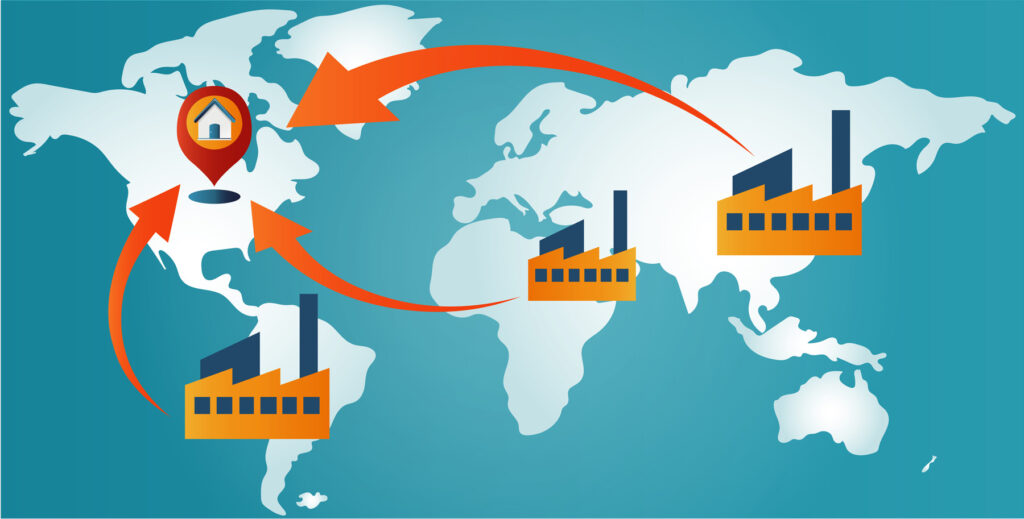
Instead of opting for distant lands with cheaper labor costs in Asia, shifting manufacturing operations to a North American country like Mexico is proving to be the optimal solution. Nearshoring provides the advantages of offshoring while offering similar benefits to domestic production, presenting the best of both worlds.

Nearshoring Defined

At its core, nearshoring is a form of outsourcing, just like offshoring. Rather than setting up manufacturing operations within the home country, companies establish or contract with manufacturing facilities in a foreign country with more favorable conditions for their products. 

Although offshoring to Asia has been prevalent for decades, nearshoring is fast becoming the preferred choice. Many US manufacturers are abandoning a declining China and other Asian countries, opting for nearshoring on the North American continent, either within the US or in Mexico and Canada.

Nearshoring to Mexico: The Advantages

Mexico, in particular, stands out as a long-time economic partner with the US. As labor costs in Mexico decline, an increasing number of manufacturers nearshore to the US-Mexico border. Proximity becomes a significant advantage, especially for a country like Mexico, uniquely suited for export-oriented manufacturing. 

Nearshoring to Mexico includes a whole host of advantages over offshoring. Here are just some of the most essential benefits of nearshoring:

  • Lower Transit Times: Nearshoring from Mexico or Canada substantially reduces shipment times, often taking just a few days to reach US distribution centers, in contrast to weeks from China.
  • Comparable Time Zones: Managing operations within the same or similar time zone streamlines coordination and communication between corporate offices and manufacturing facilities.
  • Greater Supply Chain Control: Nearshoring enables greater control over the supply chain, making it easier to source vendors and suppliers locally when needed.
  • More Flexibility: In a rapidly changing market, nearshoring allows for quick responses to shifts in customer demands, enhancing business agility and adaptability.
  • Cost Effectiveness: Closer and more responsive management of operations in nearshoring reduces manufacturing costs, with skilled labor costs in Mexico often proving more affordable.
  • Cultural Bridges: Working with neighboring countries minimizes cultural differences compared to far-flung offshore locations, facilitating smoother business interactions.
  • Reduced Duties: Nearshoring to a neighboring country often means minimal import/export duties and tariffs, such as through the USMCA agreement, benefiting trade between the US and Mexico.

Overcoming the Challenges of Nearshoring to Mexico

While nearshoring manufacturing operations to Mexico has become a strategic move for numerous US companies aiming to optimize efficiency and cost-effectiveness, there are challenges to overcome. In considering Mexico as a solution for production needs, understanding the advantages and challenges is crucial for successful implementation.

Some primary challenges to nearshoring to Mexico include:

  • Supply Chain Disruptions: While nearshoring offers benefits, navigating potential disruptions to the supply chain requires careful planning and risk management. These disruptions may arise from natural disasters, geopolitical events, or unexpected market shifts, emphasizing the need for contingency plans and robust supplier relationships.
  • Regulatory Compliance: Companies must be well-versed in Mexican labor and environmental laws to ensure smooth operations and avoid compliance issues. The ever-changing regulatory landscape necessitates continuous monitoring and adaptation, with legal expertise and local partners proving invaluable in maintaining adherence to evolving requirements.
  • Cultural Differences: Working with a neighboring country minimizes cultural gaps, but understanding and adapting to Mexico’s business practices and workplace norms is essential. Effective cross-cultural communication, sensitivity to social customs, and building strong relationships with Mexican counterparts foster a collaborative and harmonious work environment.
  • Transportation and Infrastructure: Addressing transportation challenges and ensuring reliable infrastructure support is vital to maintain efficient logistics. Efficient border crossings, optimized transportation networks, and streamlined customs procedures are critical components in minimizing lead times and supply chain disruptions, enhancing overall operational efficiency.

The rise of nearshoring marks a transformative shift in the manufacturing landscape. Embracing the advantages of nearshoring can empower US companies to flourish, optimize their supply chains, and remain agile in an ever-changing global market. As more businesses recognize the potential of nearshoring, the North American continent emerges as a promising hub for cost-effective and resilient manufacturing.

Maximizing Nearshoring Success

Nearshoring manufacturing operations to Mexico presents US companies with a compelling opportunity to enhance competitiveness, lower costs, and build resilient supply chains. The advantages of proximity, skilled labor, and favorable trade agreements outweigh the challenges with strategic planning and support from expert partners. By embracing nearshoring to Mexico, US manufacturers can unlock the vast potential of this dynamic manufacturing destination, driving growth and success in the North American market.

The rise of nearshoring marks a transformative shift in the manufacturing landscape. Embracing the advantages of nearshoring can empower US companies to flourish, optimize their supply chains, and remain agile in an ever-changing global market. As more businesses recognize the potential of nearshoring, the North American continent emerges as a promising hub for cost-effective and resilient manufacturing.

To further enhance the nearshoring process, US companies can benefit from partnering with a shelter service. A shelter service provider acts as a local facilitator, assisting companies in navigating the complexities of the Mexican business environment. Such a partnership streamlines the establishment of manufacturing operations, ensuring regulatory compliance, managing human resources, and handling administrative tasks. With the guidance and expertise of a shelter service, US manufacturers can focus on their core competencies, accelerating their nearshoring journey and maximizing the benefits of operating in Mexico.

An Introduction to Baja California

As more and more manufacturers move to Mexico, the obvious destination for many is Baja California. Boasting strategic proximity to the United States, the state’s diverse manufacturing sector caters to electronics, textiles, medical devices, aerospace, and more, drawing global leaders and investors. 

baja california

Backed by impressive infrastructure and a highly skilled workforce, Baja California entices foreign investors with tax benefits, streamlined access to North American markets, efficient logistics, and so much more. This region really stands out as an ideal base for manufacturers seeking profitable growth and expansion for these and other advantages.

Baja California’s Key Regions

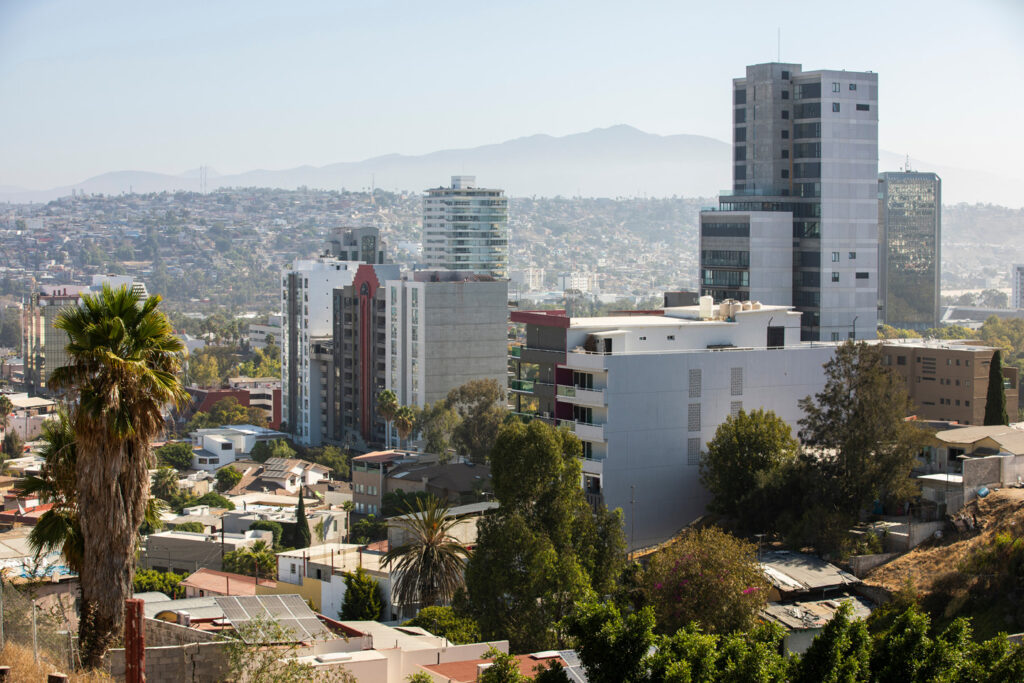
Situated in the northwest of Mexico as far north as you can go in the country, Baja California boasts an impressive economic landscape supported by a diverse manufacturing sector and industrial hubs located in the state’s key cities:

  • Tijuana: Mexico’s 6th-largest city, the hub for North American medical device manufacturing, and host to over 600 maquiladoras
  • Tecate: home to over 100 maquiladoras and three industrial parks
  • Ensenada: the state’s capital city and home to a bustling cargo port
  • Mexicali: a powerful manufacturing hub with over 20 modern industrial parks, well over 100 maquiladoras, and a skilled workforce of more than 60,000 factory workers
  • Rosarito Beach: smaller with an emphasis on modern, state-of-the-art manufacturing technology and infrastructure

Key Industries Served

With its strategic location adjacent to the United States, Baja California offers a significant advantage to US business executives looking to expand their manufacturing operations. The state’s proximity to North American markets ensures streamlined access and reduced transportation costs, making it an ideal base for exporting products to the US and beyond. Important manufacturing industries include

  • Electronics
  • Textiles
  • Medical devices
  • Solar
  • Plastics
  • Metal products
  • Automotive components
  • Paper
  • Processed foods & beverages
  • Aerospace

The state attracts global players in each of these industries, some of which include:

  • Medtronic
  • Honeywell
  • Goodrich
  • DJO Global
  • Mitsubishi
  • Philips
  • Samsung
  • Gulfstream
  • Panasonic
  • Zodiac Aerospace
  • Lockheed Martin

Key Assets

Baja California offers many assets for industry and business. The state’s infrastructure is rather impressive, on par with many states in the US. The state boasts modern ports and well-maintained highways that facilitate efficient logistics and supply chain management. This robust infrastructure further enhances the state’s attractiveness to foreign investors seeking reliable connectivity and seamless trade.

One of the state’s most valuable assets is its highly skilled and educated workforce. The state boasts a population of almost 3.8 million and a growth rate of nearly 20% over the past decade. The economically active workforce numbers around 1.82 million with a current unemployment rate of 1.71%. Last year, the state’s exported products totaled over $53 billion USD.

With a strong emphasis on technical education and vocational training, Baja California ensures that its labor force meets the demands of modern industries. This workforce, along with its cost-effectiveness, presents a compelling proposition for businesses seeking competitive manufacturing solutions.

In addition to its geographical and human resources assets, Mexico’s northernmost state also offers various investment incentives to entice investors from the US and other foreign countries. These incentives include tax benefits, grants, and subsidies that foster a pro-business environment and encourage long-term commitment to the region.

Industrial real estate in Baja California is also booming, with only about 1% vacancy in the state’s approximately 1,000 maquiladora factories. The rapidly growing Tijuana alone offers approximately 65 million square feet of industrial real estate inventory in over 45 industrial parks. Most of these facilities are highly modern and reflect US standards. Class A, B, and C buildings in Baja California’s industrial real estate usually include energy-efficient lighting and fixtures, concrete tilt-up construction, and securely gated perimeters as well as standard amenities and features like fire protection systems, high-speed telecommunications infrastructure, employee recreational facilities, etc.

Key Investment Flocking to Baja California

Baja California presents compelling opportunities for foreign manufacturers and investors. With a thriving manufacturing sector and industrial clusters, the state offers a diverse and conducive business environment. Additionally, it offers manufacturers close proximity and convenient access to the North American market. This in turn streamlines logistics and reduces transportation costs. The region’s modern ports and well-connected highways ensure efficient supply chain management and long-term profitability for manufacturers.

Furthermore, Baja California’s focus on technical education and vocational training equips the labor force with the necessary skills to meet industry demands effectively. Foreign investors find complete government cooperation and attractive investment incentives, such as tax benefits, grants, and subsidies. The state enjoys a distinctly business-friendly atmosphere, encouraging long-term commitments. This is reinforced by the state’s participation in major trade agreements like the USMCA.

Baja California stands out as an appealing destination of choice for foreign manufacturers seeking growth and expansion. Its advantageous location, well-developed infrastructure, skilled workforce, and investment advantages make it an ideal choice for those looking to establish successful manufacturing operations in Mexico.

Mexico Cements Top US Trading Partner Status

In spite of being on top for decades, China is no longer the top US trade partner. That honor now belongs to Mexico. And the Latin American country isn’t slowing down. 

top US trading partner

Recent numbers reveal a strengthening of economic partnership and inter-reliance between the neighboring nations. And this period coincides with a weaking of trade with China that may deepen the disparity much further in coming years as Mexico continues prioritizing manufacturing and infrastructure development.

Top US Trading Partner Swap

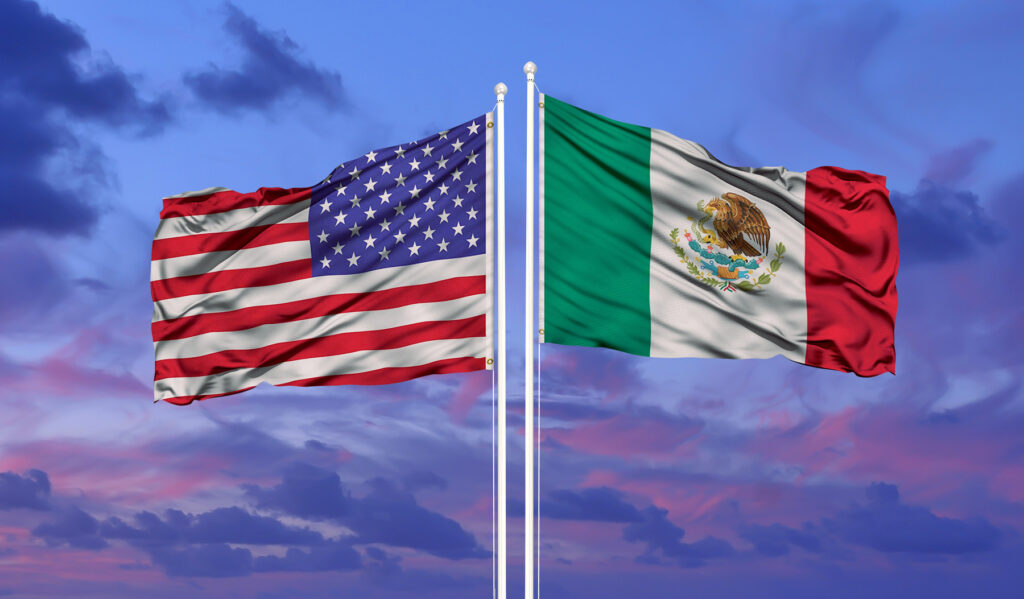
Total bilateral trade between Mexico and the United States as of the beginning of 2023 reached a staggering $263 billion USD for Jan-April, making Mexico the top US trading partner for the second time since last year. For the past few years, China and Canada have vied with Mexico for this spot, and the countries have been in a near three-way tie since 2020. 

However, trade between the US and Mexico during the first four months of this year constituted 15.4% of all the goods exported and imported by the US. Canada holds the number two spot at 15.2%, while China has now slumped to just 12%. The gap is widening. 

During this period, the US imported $157 billion from Mexico and exported $107 billion to Mexico, overall. This comes as no surprise, as Mexican manufacturing has been growing steadily. And of course, manufactured goods are a primary factor in import and export between the two countries. During this period, total trade of manufactured goods between Mexico and the US exceeded $234 billion USD.

China’s Fall

China’s bilateral trade with the US had been growing since the signing of NAFTA and a few years later China’s admittance into the WHO. Decades of friendly tariffs, low labor costs, and a strong supply chain had made the Asian country the indisputable king of export manufacturing. But several factors contributed to the decline of China on the world scene overall, erasing its status as the top US trading partner specifically.

The situation is complex. But to put it simply, China no longer has the same benefits it once offered US manufacturers and consumers. The Pacific Ocean stands between the countries as a barrier to swift and flexible transportation of goods. In the Amazon Prime era, consumer demand can change rapidly, and manufacturers must have the ability to deliver goods quickly and in lockstep with shifting trends. Additionally, the costs of energy and fuel to transport these goods across the world has become prohibitive. 

But China has also experienced a population decline that exacerbated rising labor costs. The working age population, ages 15-59, has decreased by 8% in recent years, and census data reveals this demographic now has only 875 million people, down from 970 million just a decade ago.

Additionally, the Trump-era trade war that set up a spike of new tariffs significantly damaged China’s popularity among US companies and consumers. Prices simply rose too high to sustain China’s top US trading partner status. Now, around $335 billion in trade, or 66% of China’s US-bound exports, fall under these restrictive tariffs, averaging 19.3%. In retaliation, China now has a 21.2% average tariff on US goods bound for China. And according to the WHO, this exceeds the average tariff rate between member nations by around 9%.

Other Contributing Factors

But there are additional factors cementing Mexico’s status as the top US trading partner. For one, the recent global crisis revealed a growing shift away from globalism to regionalism. New value has been placed on resilience. While supply chains that stretched across the globe may have made sense at one point due to high cost efficiency, these tiny margins expose companies to greater risk during times of uncertainty and crisis. 

As such, US manufacturers and manufacturers across the globe place more value on regionalization, keeping supplies closer to them. In light of this shift in priorities, nearshoring has strengthened as a trend. This affords more flexibility, shortens transit times, and affords greater control of the supply chain. Therefore, it makes sense for US companies to begin prioritizing business with Mexico over China.

Mexico has also maintained a relatively stable low cost of labor and is becoming the more cost-effective option. While China’s labor costs are skyrocketing, Mexico remain among the lowest in the developed world. 

Free-trade agreements with over 50 countries has also made Mexico extremely popular with US manufacturers. The country now has preferential tariff arrangements with most of the global market. And under the USMCA, Mexico enjoys a virtually duty-free export/import relationship with the US. 

As long as Mexico continues to invest in infrastructure, free-trade agreements, skilled labor development, and pro-business policies, it is likely their status as top US trading partner will hold. Canada is still quite competitive, and the position may change hands from time to time. But China’s day in the sun seems to have passed. And by all signs, tomorrow belongs to Mexico. 

US Manufacturing Activity Slides Further

Recent economic and industrial reports are raising concerns about the state of manufacturing in the US and the economy as a whole. The latest report on US manufacturing activity failed to bring good news, indicating a further slide. These numbers have relevance for the broader US economy and signal the need for action to mitigate the potential risk from a sustained downturn. 

US manufacturing activity

US Manufacturing Activity Down for 8th Straight Month

US manufacturing continues to face a challenging time as its downward slide persists, reaching a troubling milestone this past month. In June, news broke that, for the eighth month in a row, the industry’s activity has shrunk, hitting its lowest level in three years. This ongoing decline certainly raises concerns about the near-term future of the manufacturing sector.

The latest data indicates difficulty ahead, highlighting several points of crisis. Manufacturing activity has contracted for an extended period, reflecting a sustained struggle for the industry. This is no new development. This consecutive monthly decrease indicates a worrisome trend. Of course the question is, how long will this trend persist?

Additionally, the slump in US manufacturing activity carries broader implications for the economy as a whole. Manufacturing plays a vital role in job creation and economic growth, making it a key barometer of overall economic health. The persistent decline in this sector raises questions about the potential ripple effects on employment and the overall state of the US economy.

As manufacturers grapple with various challenges, such as supply chain disruptions, rising input costs, and shifting consumer preferences, it becomes crucial to address the root causes of this downward trend. Policymakers, industry leaders, and stakeholders need to collaborate and strategize effective measures to revive the manufacturing sector’s vitality and competitiveness.

The road to recovery may require a multi-faceted approach, it’s true. But some believe the turnaround could be swift, providing initiatives are implemented like promoting innovation, investing in advanced technologies, supporting workforce development, and enhancing domestic and international trade partnerships. Swift and decisive actions are necessary here to reverse the current trajectory and pave the way for a resilient and prosperous US manufacturing sector in the future.

The State of US Manufacturing

The US manufacturing industry is no peripheral player in the US economy. Its role as a keystone of economic output and strength is well established, putting up some rather impressive numbers. In a snapshot: 

  • Manufacturing contributes approximately $2.33 trillion USD to the US GDP, accounting for nearly 12% of the total.
  • The sector provides employment opportunities for around 12.3 million Americans, representing 9.6% of total US employment.
  • Notable industries within manufacturing include chemical manufacturing, food manufacturing, machinery manufacturing, medical device manufacturing, defense manufacturing, and transportation equipment manufacturing.
  • The top states with the highest manufacturing employment are California, Texas, Ohio, and Michigan.
  • In terms of exports, manufactured goods make up the largest category far and away, accounting for approximately 86% of total US exports in 2020.
  • The adoption of advanced technologies like robotics, automation, and data analytics has been transforming the manufacturing landscape, enhancing productivity and efficiency. 

However, the sector faces ongoing challenges and uncertainties, including supply chain disruptions, skilled labor shortages, and geopolitical tensions. The world has been fundamentally changed in recent years, and even globalism is no longer a given. Efforts to address these changes and challenges and promote innovation, workforce development, and trade partnerships will be crucial in maintaining and strengthening the competitiveness of the US manufacturing economy.

Recession Fears Linger

Concerns are emerging within the manufacturing industry as US manufacturing activity continues to decline, raising speculations about a potential economic recession on the horizon. The slowdown in the manufacturing sector has historically been viewed as a leading indicator of broader economic health. 

The manufacturing sector serves as a crucial barometer of economic conditions due to its interconnectedness with other industries and its role in job creation. And it’s no secret that a decline in manufacturing activity can indicate reduced consumer demand, supply chain disruptions, or even weakening business sentiment, all of which can have a ripple effect throughout the total economy.

It’s important to note, however, that manufacturing alone does not determine the fate of the entire economy. But the sector’s slowdown has historically preceded economic recessions. As such, economists and analysts are closely monitoring manufacturing key indicators within this sector, such as new orders, production levels, and employment figures. This is in an effort to gauge the overall health and trajectory of not only manufacturing, but also the US economy.

US Already in a Manufacturing Recession?

While the recent news has brought about speculation about a looking economic recession, growing evidence suggests the US may be already embroiled in a manufacturing recession, potentially precipitating an eventual downturn for the US economy as a whole. The decline in US manufacturing activity has sparked apprehension among industry experts, who are closely monitoring the situation for its broader implications. Factors such as trade tensions, labor shortages, and disruptions in the global supply chain have contributed to the slowdown.

Economists argue that the weakening manufacturing sector often serves as an early warning sign of an approaching economic recession. Decreased factory output, reduced investments, and a decline in business sentiment further lend credibility to this canary in the coal mine. The performance of the manufacturing industry holds significant importance, as it impacts job creation, overall economic growth, and consumer spending.

While further analysis and data are needed to definitively confirm the presence of a manufacturing recession and its potential impact on the broader economy, the current situation underscores the necessity for proactive measures to support and bolster the manufacturing sector. Manufacturers can actually thrive in a recession if they take steps now. 

Furthermore, the US can also take action to early address trade tensions, resolve labor market challenges, and enhance supply chain resilience. Such efforts are crucial to mitigate the risks and promote stability in the manufacturing industry, which plays a critical role in the economic well-being of the nation.

The deepening decline in manufacturing activity serves as a reminder of the need for proactive measures to support economic growth, such as addressing trade imbalances, investing in infrastructure, and fostering an environment conducive to innovation and business expansion. 

It’s easier than you think.

Get in touch and we’ll show you how.