Calculate your cost savings
TACNA 619.661.1261

The State of EV Manufacturing in Mexico

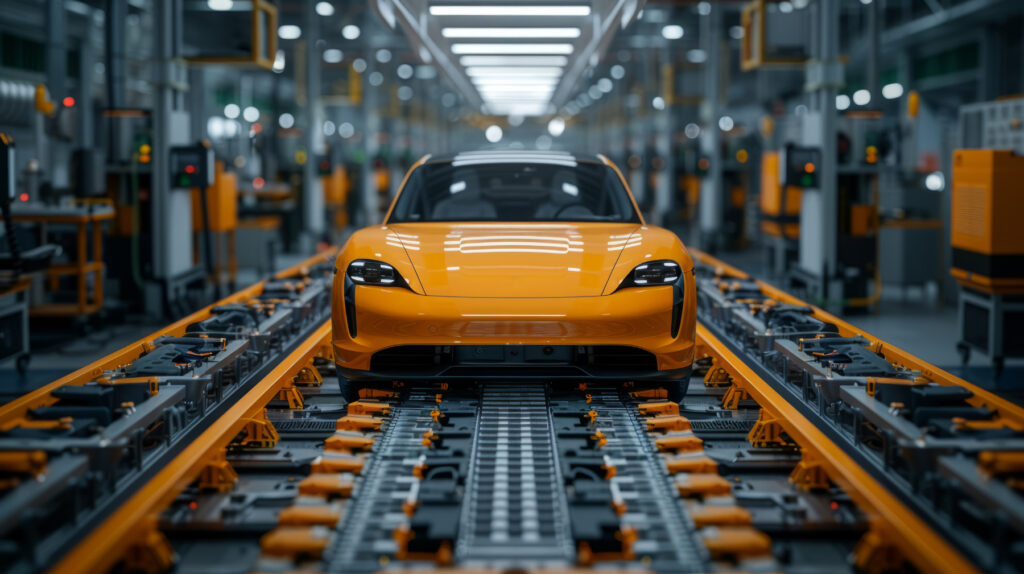
Recently, Mexico’s automotive industry, long revered as a global powerhouse, has undergone a remarkable transformation. The Latin American country has evolved from a traditional internal combustion engine (ICE) manufacturing hub to a burgeoning center for electric vehicle (EV) production. In fact, EV manufacturing in Mexico is set to quickly become a major hub for both North and South American EV markets. 
EV manufacturing in Mexico

Initially, there was some skepticism and challenges surrounding this transformation. Still, Mexico has successfully positioned itself as a key player in the rapidly expanding EV market. And in the process, they’ve attracted a significant level of investments and reshaped their industrial landscape.

From Doubt to Dominance

Not long ago, doubts loomed over Mexico’s ability to embrace the electric vehicle revolution. As late as November 2021, CEO Francisco Garza of GM Mexico cast uncertainty over the country’s automotive future, citing concerns about meeting zero emissions goals. However, after a sequence of strategic reforms and a shift in the global dynamics, Mexico has experienced a remarkable turnaround.

In February 2021, Mexico initiated sweeping electricity reforms, prioritizing state-run utilities and energy independence, despite initial industry apprehension. Initially, this move raised concerns about hindering green energy initiatives. But subsequent developments signaled a change in direction. Despite public skepticism from President Andrés Manuel López Obrador, Mexico’s automotive industry surged forward, fueled by a combination of economic imperatives and political recalibration.

EV: The Future of Automotive

Most carmakers tend to agree that electric cars will play a huge role in the future of the automotive industry. And today, Mexico stands as a beacon of EV manufacturing, attracting major players from around the globe. The landscape is marked by a flurry of activity, and established automakers and even emerging Chinese giants are eyeing Mexico as a strategic hub for EV production.

American automakers such as Ford and GM are not just investing in retooling existing facilities but are also constructing new manufacturing plants dedicated to EV production across Mexico. Ford is already assembling their electric Mustangs in the state of Mexico. And GM is actually expanding its footprint with a new factory in Coahuila. The automotive giant also plans to retrofit existing facilities for EV manufacturing in Mexico.

Meanwhile, Chinese EV manufacturers, recognizing Mexico’s potential as a gateway to the lucrative US market, are making significant strides. Leading Chinese companies like MG, BYD, and Chery, are in talks to establish EV factories in Mexico and leverage the country’s robust automotive ecosystem and favorable trade agreements.

Recognizing that EV manufacturing in Mexico is the future, country officials and industry leaders are collaborating to prepare for much higher demand

Mexico: An EV Manufacturing Powerhouse

The allure of Mexico for EV manufacturing isn’t just because of its geographical proximity to the US market. Mexico truly has a formidable automotive ecosystem already in place. And what’s more, Mexico enjoys modern infrastructure, integrated supply chains, and an extensive network of free trade agreements that combine to make it an ideal destination for EV production. The country boasts:

  • Over 300 research and development centers
  • 50+ automotive brands
  • A skilled workforce over 1.7 million

Recent investments underscore Mexico’s growing prominence in the EV landscape. General Motors is injecting $1 billion into its Mexican operations, while Ford has redirected funds from its Ohio plant to bolster its Mexico facilities. International players like Bosch of Germany are reaffirming their commitment to Mexico with substantial investments, further solidifying its position as a global automotive hub.

In tandem with industry investments, Mexico’s EV manufacturing capabilities are poised for exponential growth. Projections indicate a sustained annual growth rate of 25% in EV and hybrid production, positioning Mexico to dominate Latin America’s EV output in the coming years.

Tesla, the renowned electric vehicle pioneer, is currently building a gigafactory, set to begin production in 2026 near Monterrey. The monumental investment, ranging from $5 to $10 billion USD, underscores Tesla’s commitment to expanding its global footprint and tapping into Mexico’s burgeoning EV market. With its state-of-the-art facilities and cutting-edge technology, the Tesla gigafactory is poised to revolutionize Mexico’s automotive landscape, further solidifying the country’s position as a powerhouse in the electric vehicle industry.

An Opportune Time

As leading EV manufacturers from around the world eye Mexico for expansion, the stage is set for a new chapter in Mexico’s automotive legacy. Thanks to its competitive labor costs, streamlined regulatory environment, and strategic location, Mexico is currently emerging as a major player in the global EV market. And now is the time when forward-thinking companies are laying the groundwork to capitalize on this market shift.

Not everyone is building wholly owned gigafactories or pouring billions of dollars into new factories there, though. In fact, many are exploiting this opportunity by establishing relationships and processes with contract manufacturers in Mexico. Others are finding they can take advantage of Mexico’s EV manufacturing capacity under the umbrella of a shelter service

Whatever path is right for each EV producer, they all agree that Mexico is the new frontier for automotive manufacturing. Mexico’s journey from skepticism to leadership in EV manufacturing epitomizes its resilience and adaptability in an ever-evolving industry. As the world accelerates towards an electrified future, Mexico stands ready to shape the automotive landscape for generations to come. 
The Strategic Benefits of Manufacturing in a Mexican Maquiladora

Nearshoring has become more attractive than ever as a means of achieving resilience and maximizing profitability. And as many US companies shift their attention back to North America, manufacturing in a Mexican maquiladora makes more and more sense, checking all the right boxes. 

manufacturing in a Mexican maquiladora

Relocating a supply chain can be a big step, but in light of the many advantages available right here in North America, most producers find the move to be right for them. And first-time outsourcers can set their companies up for huge success by starting out with a Mexican maquiladora operation. 

So, let’s dive in and see what sort of benefits your company can expect and what it takes to capitalize on them.

What Is a Maquiladora?

A maquiladora is a Mexican corporation operating under the IMMEX program that provides for duty-free or near duty-free, temporary imports of machinery, equipment, and materials. It is often called a twin plant because it manufactures in Mexico in tandem with a US company providing administrative functions from within the US. This allows US companies to outsource cost-intensive segments of their production process and under preferential tax arrangements to maximize efficiency.

There are approximately 5,000 maquiladoras currently in Mexico, employing approximately 2.5 million people and generating more than $200 billion in annual revenue. And these numbers are growing, especially as those manufacturing in a Mexican maquiladora exploit shelter services to further simplify the process.

Strategic Benefits

Nearshoring to Mexico via this option affords a litany of strategic advantages and benefits for North American companies. Below is a look at just a few of these reasons to manufacture in a Mexican maquiladora.

Product Flexibility 

Mexican factories manufacture just about anything. Manufacturing in Mexican maquiladoras means access to virtually any components, materials, and requirements needed to assemble and produce whatever the customer base demands.

Low-Cost Labor Access

In spite of the rising cost of labor in China, the US, and most places in the world, Mexico provides access to a relatively stable cost of labor. And this labor pool is highly skilled and trained for manufacturing tasks. In fact, Mexico’s industry-focused educational institutions produce thousands of technicians and engineers specifically for manufacturing jobs.

Duty Avoidance

Another benefit of maquiladora manufacturing in Mexico is that US companies receive special import/export tax treatment. In most scenarios, under the IMMEX Program, producers may eliminate their entire VAT liability in addition to general import/export taxes for goods that come and go on a temporary basis. If the goods and materials are imported for the sole purpose of manufacturing goods for export, then they are exempted from duties. So, US companies can take advantage of all the raw materials, technology, and inputs from both their home country and Mexico without any additional taxes. 

Global Free-Trade Access

One thing many do not realize about manufacturing in a Mexican maquiladora is that this gives them access to the most extensive free-trade network on the planet. Mexico’s FTA network provides preferential tariff access to over 50 countries and more than two thirds of the world’s population. 

Proximity Savings

In addition to avoiding customs and VAT taxes on imported inputs and exported goods, maquiladora manufacturing in Mexico offers other savings advantages related to close proximity to the US consumer market.  Integration in a highly specialized manufacturing cluster and industrial park along the US-Mexico border can streamline costs and maximize economies of scale in a massive way. Whatever shortages or market changes occur, changes in fuel costs, wars, etc., low-cost manufacturing mere hours from your target market affords incredible savings.

How to Get Started

Are you considering a Mexican maquiladora operation? Where do you start? First, it’s helpful to identify the specific route you want to take. There are several ways to leverage Mexican maquiladoras, including purchasing a wholly-owned subsidiary, contract manufacturing, or partnering with a shelter service for optimum protection and process control. 

If you decide to open a maquiladora of your own, be sure to compile all of the necessary papers and documentation for regulatory compliance. You’ll also want to familiarize yourself with the labor situation, workplace culture, and geography. Site selection is important to take advantage of Mexico’s state-of-the-art industrial parks and to ensure security and access. Managing a maquiladora can be quite daunting and complex, so consider partnering with a shelter service to take the hassle out and ensure success from the start. 

How to Achieve a Resilient Supply Chain Through Nearshoring

In 2021, the United States and other countries faced a severe supply chain crisis. After a global shutdown for several months, global production was down, yet demand was up. As a result, US companies faced a severe supply chain crisis that saw container ships backlogged outside the ports of Los Angeles and Long Beach in numbers well over 100 at a time. Most of these were forced to drift in deep water for weeks on end.

resilient supply chain

This and other events on the world scene have prompted many to seek out new ways to build resilient supply chains. Wars, epidemics, shortages, and natural disasters can happen without warning. And global disruptions should be viewed as the norm, not the exception. It’s not a matter of if they will happen, but when. 

And forward-thinking executives in manufacturing should prioritize building a resilient supply chain to stay ahead of the curve. One of the best ways to achieve this is through nearshoring. 

A World in Flux

Most analysts agree that, in the ever-evolving landscape of global commerce, the next five to ten years are poised to bring about profound changes across industries worldwide. The speed and nature of these transformations remain uncertain, as does their impact on global supply chains. The intricate dynamics of supply chains operating across multiple economic levels reveal various risks, stemming from interdependence among different components of the supply chain system.

Due to the various uncertainties and risks associated with global supply chains, the need for shorter and more efficient supply routes has become paramount. Indeed, the world is rethinking globalization. Achieving a resilient supply chain has become more prized than highly efficient but unforgiving processes.

And so, nearshoring, the relocation of production to neighboring countries like Mexico, offers significant benefits such as reduced transportation costs, shorter lead times, and participation in duty-free programs under agreements like USMCA. Many factors are driving companies to make the switch to Mexico, including geopolitical tensions, logistical challenges, and technological advancements. And these moves are not knee-jerk reactions, but carefully considered, data-driven decisions to choose resilience as a long-term profitable strategy. 

Why Nearshore to Mexico?

And just what is nearshoring? Nearshoring involves relocating part of the production process to a neighboring country, typically one with closer proximity to the target market. For US-based companies, Mexico has emerged as a prime destination for nearshoring, offering a range of benefits including reduced transportation costs, proximity to the largest consumer market, and participation in duty-free programs.

Another factor that makes Mexico a priority option is the ongoing trade tensions between the United States and China. This tariff war, coupled with geopolitical instability and disruptions caused by the 2020 health crisis, have prompted companies to reevaluate their global supply chain strategies. 

Simply put, nearshoring to Mexico presents an attractive alternative, offering lower transportation costs, reduced lead times, and a stable trade environment under the USMCA agreement. These are just some of the many benefits of nearshoring.

Key Aspects of Nearshoring Success

In order to leverage nearshoring to achieve a resilient supply chain, several critical components must be present. Any nearshoring location must have the following aspects to be a successful nearshoring partner.

  1. Infrastructure:

Efficient infrastructure is crucial for successful nearshoring operations. Mexico boasts a well-developed network of roadways, seaports, airports, and trade-oriented Customs Offices, facilitating seamless commerce with the US. This robust infrastructure ensures certainty in lead times, minimizes delays in customs, and mitigates regulatory risks.

  1. Technology Adoption:

The adoption of technology plays a pivotal role in enhancing productivity and resilience in supply chain operations. Global trade executives recognize the importance of technology in increasing agility, compliance, and visibility throughout the supply chain. Integration with stakeholders such as 3PLs and Custom Brokers further enhances efficiency and reduces risks.

  1. Innovation and Change Management

Implementing a nearshoring strategy requires not only adopting technology but also embracing change management processes to minimize disruption to business operations. Specialized global trade management technology enables companies to streamline processes, ensure compliance, and gain real-time visibility into operations.

  1. Lower Costs:

Nearshoring to Mexico offers significant cost savings and competitive advantages. Lower labor costs, favorable trade agreements, and efficient logistics infrastructure make Mexico an attractive destination for manufacturers. And the country’s strategic position and robust manufacturing sectors further enhance its competitiveness on the global stage.

Making the Switch

While nearshoring offers numerous benefits, it also presents logistical challenges such as transitioning costs, establishing new shipping lanes, and navigating regulatory requirements. However, the positive impact on working capital, reduced dependency on credit facilities, and enhanced financial health outweigh these challenges. And shelter services greatly enhance the transition for US producers. 

Data-driven viability assessments are essential for evaluating nearshoring options to ensure a resilient supply chain and long-term success. Factors such as freight costs, lead times, labor availability, and tariff stability must be carefully considered. Conducting a comprehensive “battle drill” simulation exercise might even enable companies to assess the feasibility and potential benefits of nearshoring.

In an era marked by geopolitical uncertainties and global crises, it’s no surprise that so many US companies are making the switch. Among a turbulent terrain of global supply chains, nearshoring emerges as a transformative catalyst for manufacturing resilience. It just makes sense to reduce reliance on remote sources and engineer agility into your manufacturing plan.

Nearshoring strengthens companies’ ability to weather disruptions and thrive in an ever-changing business landscape. And nearshoring to Mexico offers makes the most sense for companies seeking to achieve this. By leveraging Mexico’s proximity, infrastructure, and competitive advantages, companies can enhance efficiency, reduce risks, and position themselves for long-term success.

What You Need to Know About the San Ysidro Port of Entry

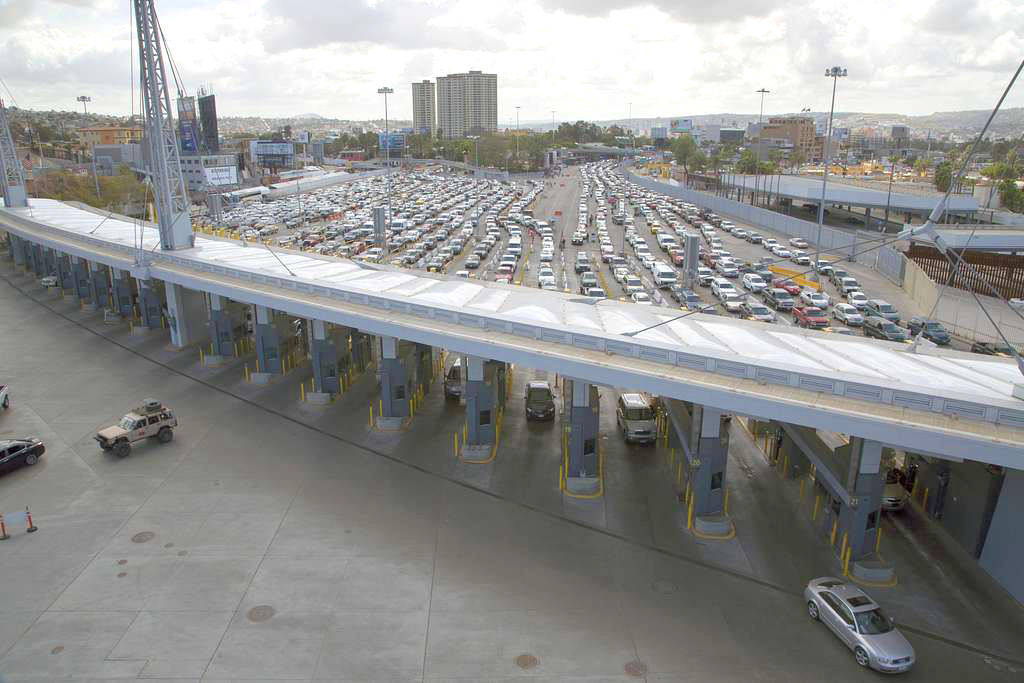
Located along the US-Mexico border on the Pacific coast, the San Ysidro Port of Entry is a vital gateway connecting San Diego and rapidly growing Tijuana. This bustling corridor facilitates a vast array of cross-border traffic. It was originally established in 1906, and in the past 120 years, this port has evolved into the world’s largest international border crossing, the fourth-busiest land crossing by people, and by far the most significant industrial corridor for Northa American trade. 

What You Need to Know About the San Ysidro Port of Entry

Every day, 24 hours a day, this border crossing is teeming with commercial, individual, and pedestrian traffic. Let’s take a look at this hugely significant crossing and discuss what you should know if you plan to cross the border here.

Gateway to Two Nations

At the heart of the San Diego-Tijuana metropolitan region, the San Ysidro Port of Entry serves as a crucial link between Mexican Federal Highway 1 and Interstate 5. Its strategic location attracts a staggering daily influx of 70,000 northbound vehicles and 20,000 pedestrians, making it a focal point for cross-border commerce and travel. It truly is the main gateway between the nations of Mexico and the United States.

The port boasts multiple gateways catering to various modes of transportation. With 34 lanes for northbound vehicles and bi-directional pedestrian crossings, including the recently enhanced PedWest facility, travelers enjoy improved efficiency and convenience. The southbound lanes of Interstate 5, now located west of their previous location through the El Chaparral Point of Entry, provide space for expanded administrative and border inspection facilities, facilitating a smoother flow of traffic.

In 2019, the most recent year for crossing statistics published, there were:

  • Nearly 15 million vehicle crossings
  • Well over 50 million people who crossed
  • Nearly 11 million pedestrian crossings

The San Ysidro port of entry is one of three public ports on the US side of the 60-mile-long border with Baja California, along with Otay Mesa and Tecate. On the Mexican side, there is also the El Chaparrel Point of Entry. The San Ysidro and El Chaparral ports of entry jointly constitute the busiest land border crossing in the world. There are also eight international railroad crossings for freight shipments along this border.

Expansion for Future Growth

To meet the demands of increasing traffic, the San Ysidro Port of Entry underwent a significant expansion project. Costing approximately $625 million, this bi-national effort aimed to modernize and expand administrative and operational facilities, including the addition of 38 new vehicle inspection booths. The project’s completion in 2019 transformed the port into a model of sustainable design and technology, poised to accommodate projected growth for years to come.

The expanded port of entry now includes 34 northbound lanes with 62 inspection booths. Additionally, SENTRI efficiency has been increased, and a multimodal transit center was added.

Streamlined Crossings

Crossing the border from the United States to Mexico requires specific documentation. Mexican nationals must present valid identification such as passports or INE credentials, while foreigners need passports and may require additional permits or visas. Conversely, travelers heading northbound into the United States need appropriate documentation, including passports and visas where applicable.

For commercial travelers and cargo shipping, standard cross border trucking rules apply. As with any US-Mexico port of entry, certain papers should be in order, such as a bill of lading, commercial invoice, certificate of origin, etc.

Accessing the San Ysidro Port of Entry is straightforward, whether by vehicle or foot. Travelers driving from San Diego can easily reach the port via Interstate 5, while pedestrians can utilize the nearby trolley system. Once at the port, efficient processing ensures minimal wait times, facilitating smooth and hassle-free border crossings.

Exploring Border Crossing Options

While the San Ysidro Port of Entry serves as the primary gateway, travelers have alternative options for crossing between San Diego and Tijuana. The Otay Mesa border crossing offers a faster but less centrally located option. This is, of course, ideal for travelers with specific destinations in mind. Additionally, the CBX border crossing caters exclusively to travelers using the Tijuana International Airport, providing a swift and convenient passage for air travelers.

The San Ysidro port of entry truly stands as a testament to the enduring bonds between the United States and Mexico. The value of commerce between these two top trading partners exceeds $1 million USD per minute, and as such, ease of border crossing is essential. With its extensive facilities, strategic location, and ongoing expansion efforts, it continues to facilitate seamless cross-border travel and commerce, enriching the lives of millions who traverse its pathways each year.

By investing in state-of-the-art infrastructure and technology, both the United States and Mexico are committed to fostering continued economic growth and cultural exchange between their nations. As the gateway to two vibrant and interconnected communities, the San Ysidro Port of Entry remains an enduring symbol of cooperation and partnership in the border region.

Why Chinese Manufacturing Is Faltering

A recent survey of Chinese factory managers reveals a continued contraction in Chinese manufacturing for the fourth consecutive month. This reflects a continuation of the trend China has experienced for years now, as manufacturing outsourcers look elsewhere and the Asian giant falters as the world’s manufacturer. 

Chinese manufacturing

Chinese Manufacturing Down Four Straight Quarters

Numbers for last month revealed disheartening numbers for the Chinese manufacturing sector. The official purchasing managers index (PMI) in January saw a marginal increase to 49.2 from December’s 49.0, not as positive as was hoped. This indicates there is persistently weak demand and an uncertain economic recovery in the world’s second-largest economy. 

Notably, the manufacturing PMI has declined in nine out of the past ten months, with the one and only increase observed in September. Analysts point to the softness in China’s economy, emphasizing the need for indicators such as new orders to return to expansion for sustained economic momentum. Additionally, despite efforts by Chinese policymakers to bolster the economy through infrastructure spending, interest rate cuts, and easing home-buying restrictions, concerns persist over the sustainability of growth, especially amidst global uncertainties and ongoing challenges in the property market.

China’s manufacturing sector is clearly continuing to slide. Particularly concerning is the contraction in new export orders, registering at 47.2 for the 10th straight month. While non-manufacturing PMI showed some improvement, the overall composite PMI stood at 50.9, suggesting a fragile recovery. Despite efforts to stimulate growth, including a recent cut in banks’ reserve requirement ratio, challenges such as a property downturn and weak global demand persist. The situation doesn’t look good for manufacturing in China. Of course, analysts remain cautious about the future, and they point to uncertain sustainability of China’s recovery amid ongoing policy adjustments.

Driving Factors

While Chinese manufacturing is obviously faltering, and the numbers indicate a long-term trend, it wasn’t always like this. China has stood as the world’s manufacturer for decades. Rising to unrivaled prominence in the 1990s, the China of the previous century is not the China of today. 

And as the country shifts gears and loses global market share, several driving factors come to mind.  No longer able to fulfil its historical role as the “factory of the world,” China’s factories are beginning to grapple with a new reality. Recent data reveals a stark decline in new manufacturing orders, down by 40%, thanks to several factors that combined to cause significant disruptions in China’s manufacturing sector. 

While other countries like Mexico have emerged as promising alternatives for US firms, Chinese manufacturing analysts will undoubtedly come to place the blame on several decisive factors that contributed to this demise, some more instrumental than others.

Zero COVID

China’s “Zero COVID” policy has profoundly impacted the country’s manufacturing economy, and the effects will reverberate for years to come. This draconian measure lasted long after 2020 and greatly exacerbated existing challenges, which in turn is negatively impacting Chinese industry, forcing companies to reconsider their operations there. 

The stringent measures, including widespread lockdowns, mass testing, and strict enforcement, severely hampered economic growth prospects. Despite initial signs of recovery, China’s industrial output responded with negative indicators across various sectors. Immediately:

  • Industrial output fell by 2.9%
  • Retail sales plummeted by 11.1%
  • Export growth slowed to 3.9% 
  • Unemployment rates rose
  • GDP declined

As these challenges rose to the forefront, companies like Apple announced they are exploring alternatives to China for manufacturing due to the disruptive effects of the Zero COVID policy. There was a definite causal link between increased lockdowns and reduced interest in manufacturing there. And as China’s manufacturing sector buckled under these harsh measures long after the rest of the developed world returned to normal, the disinterest began to look more and more like a manufacturing exodus.

Costs Are Rising

The draw to offshore to China has always been about cost. Lower labor rates and materials made it highly appealing to US manufacturers who wanted to reduce costs for the manufacturing function. 

But in recent years, manufacturing costs in China are skyrocketing! Producer prices have surged to their highest levels in 13 years, contributing to a significant rise in consumer prices, up by 9% over the past year. Chinese manufacturers, facing mounting cost pressures, are struggling to absorb increased expenses, leading to rising prices for consumer goods. Several factors are driving these cost increases, including:

  • Soaring raw material prices
  • Unpredictable labor costs
  • Rising transportation expenses
  • Higher tariffs resulting from the recent trade war 

As a result, many US manufacturers are reconsidering their reliance on China and exploring alternative production strategies like nearshoring to Mexico. 

Population Declining

But there is a much more serious problem facing China right now. As the world’s former largest nation, China’s population is experiencing a historic decline. And this poses significant economic challenges for the nation. After decades of growth, China now faces a shrinking and aging population, jeopardizing its manufacturing prowess and economic stability. The relaxation of birth restrictions came too late to reverse the trend, leading to a loss of its title as the world’s most populous nation to India.

  • China had 850,000 fewer people living there in 2022 than in 2021.
  • Total births dropped to 9.56 million in 2022, the lowest number since 1950.
  • 25% of the total Chinese population will be over 65 years old in 2040.
  • The working age population (ages 15-59) dropped from 70% to 62% in just the past decade.
  • China’s GDP growth was forecasted to be 5.5% in 2022 but turned out to be just 3%, the second lowest annual GDP since the 1980s.

The economic consequences of these numbers are profound. China’s labor force is shrinking, and the working-age population is shrinking even faster. Labor shortages are driving up wages and manufacturing costs, prompting businesses to seek alternative production locations like Mexico and Vietnam. This shift signals a fundamental change in China’s economic model, away from labor-intensive growth toward a post-manufacturing and post-industrial economy.

Chinese manufacturing is not just faltering in the short term. Experts predict that the nation will transition over the course of this century from a manufacturing economy to a services economy. And the drivers for this trend are not just recent crises that can quickly be overcome. It seems far more likely that drivers in place for many years have only been expedited by recent challenges, and that China will continue fading from the manufacturing scene in coming decades.

What Mexico Is Doing About Illegal Border Crossings

Illegal border crossings from Mexico into the United States continue to draw attention from the US government and calls for reducing the flow. However, in spite of frustration north of the border about perceived risks from an influx of illegal drugs and people of unknown origin, there is also reason to believe Mexico is taking steps to stop this.

What Mexico Is Doing About Illegal Border Crossings

The Current Situation

Right now, the United States is experiencing a surge in migration activity from Mexico. Some months, the Border Patrol encounters nearly 250,000 immigrants, mostly from Venezuela and other countries besides Mexico. Mexicans crossing the border make up only a fraction of this total number. Backlog and dysfunctionality in US immigration courts has led to a severe bottleneck in processing these migrants. 

There are several factors contributing to these historic immigration levels. Certainly, the geopolitical instability in countries like Cuba and Venezuela have resulted in many leaving their homes in search of safety, work, and better opportunities. Even Russians and Chinese are fleeing wars and government overreach to enter the United States via Mexico. 

Additionally, the tight labor market in the US is a contributing factor. The cost of labor in the US is very high, providing an incentive for foreign workers to seek better paying jobs north of the border.

However, it’s surprising to note that the number of immigrants living illegally in the United States is at historically low levels. The last data suggests the total number is less than 11 million people, just 3% of the current US population. Still, the millions of fentanyl pills and other contraband making it across the border have caused alarm among people in the US, who are demanding Mexico do something to stop it.

Mexican-US Collaboration

The US government has placed considerable pressure on the Mexican government to reduce this flow of illegal border crossings. And the two countries have been working together to a considerable degree. 

Just one year ago, the two countries met to approve an action plan for the 21st Century Border Initiative.  Representatives from both federal governments agreed on infrastructure upgrades and expenditures along the border, including border crossings, bridges, and ports of entry. The goal was to better facilitate and increase regional trade between the two countries while reducing illegal border crossings.

Both governments agreed to increase communication and share law enforcement information to facilitate better enforcement of immigration law and reduce legal crossing times. They agreed to implement strategies to reduce crime and violence in the region while also simplifying the customs process.

This past December, another meeting was held between US Secretary of State Antony Blinken and Mexican President Andrés Manuel López Obrador. During the meeting, the Mexican government stepped up efforts to remove immigrant camps along the border town of Matamoros near Brownsville, TX. Some 10,000 immigrants were arrested daily at the border, and the Mexican government sent bulldozers to clear out tent cities.

The Mexican government pushed the US to re-open border crossings that had been recently closed by the US in response to an immigration surge. They also sought to link future cooperation in border crackdowns to US measures to relieve pressure on Venezuela and Cuba. They argue that ending embargoes with, and providing aid packages to, these countries, from which many of the immigrants come, would go a long way in reducing the stream of immigrants leaving these countries. 

Mexico holds a presidential election this year to determine Obrador’s replacement. It is thought the frontrunner will likely continue his policies, including on immigration. But there is uncertainty. 

Additional Mexican Steps

Last week, a bipartisan group of Texas lawmakers visited Mexico City to see what the country is doing about the illegal border crossings. The delegation returned with a positive appraisal of Mexico’s efforts. Members of the delegation noted that Mexico is doing several things to meet US demands. Some of these measures include:

  • Seeking out fentanyl labs to destroy them
  • Deporting migrants ineligible for asylum along the northern border with the US
  • Improving security along the southern border
  • Stationing large numbers of troops along the US-Mexico border

In fact, the delegation was surprised to learn that Mexico has placed more military personnel along the US border than the number of Border Patrol the US has stationed there. Specific numbers were not shared publicly, but this news came on the heels of one report of 500 Mexican troops being deployed to just two border cities, Matamoros and Nuevo Laredo. By some estimates, there are around 40,000 Mexican troops stationed along the border.

The US is hoping to assist in Mexico’s efforts to seek out fentanyl labs and deport migrants who make it across Mexico’s southern border. This assistance will come in the form of intelligence gathering, technology assists, and partnerships to police both of Mexico’s borders.

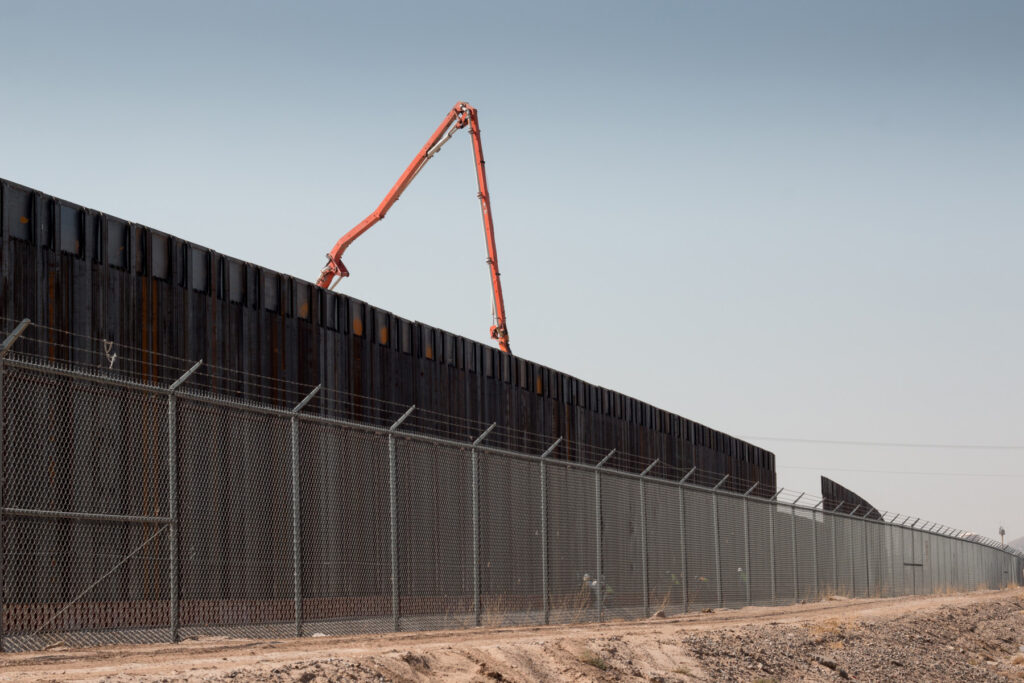
Currently, along the Tijuana-San Diego border, Mexico is reportedly replacing old barriers with a new structure along the beach. While construction is underway, Mexico is boosting its military presence there to guard the gaps. In spite of temporary fences in the area, the Mexican government has increased troop presence out of an abundance of caution. 

How Mexico’s 2024 Elections Will Impact Mexico-US Trade Relations

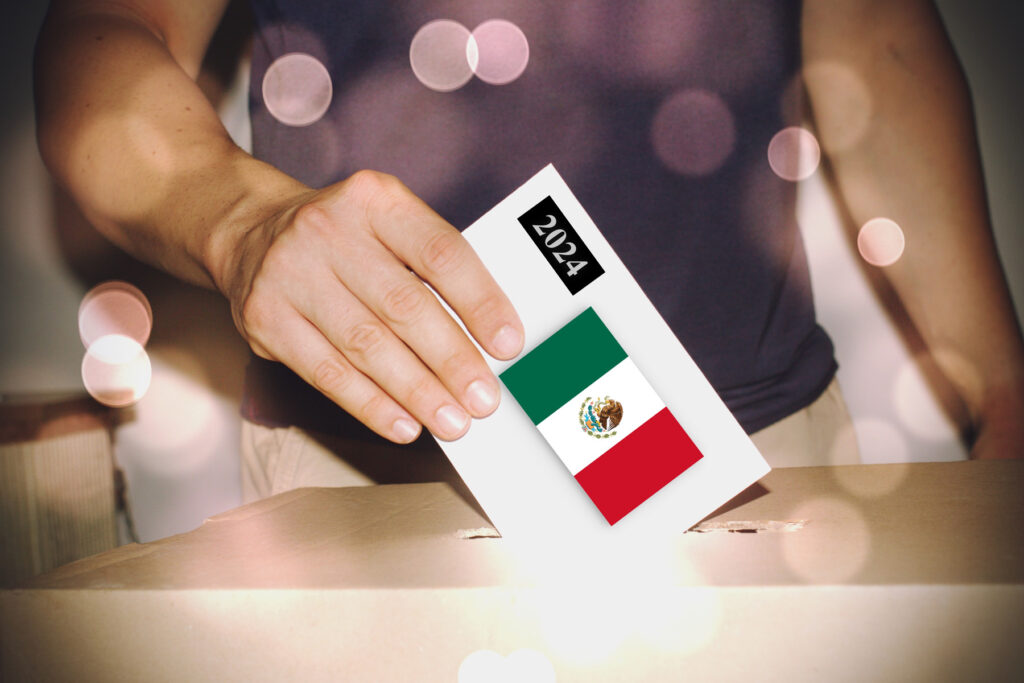
2024 is a federal election year in Mexico, as in the US. And as a trading partner and neighbor with the US, what happens in Mexico impacts the US. This year seems to be particularly relevant to the existing trade order and developing financial situation. Mexico is set to elect its first female President. And disputes over the border continue to be an issue. Mexico’s 2024 election may have a significant impact on trade relations, depending on which scenario plays out.

Mexico’s 2024 elections

Significance of Mexico’s 2024 Elections

Around the world, 2024 is a significant year for elections. But the federal elections in Mexico will be especially impactful for the US. Current Mexican President Manuel Obrador or AMLO is termed out this year, and his successor hopes to continue his controversial policies. 

And these policies affect the United States. Some 5 million US jobs depend on Mexico-US trade. Mexico is largest trading partner with the US, trading $1.5 million USD per minute, relying on the US to buy most of its exports, and providing a cost-effect outsourcing destination for US manufacturers. Because the country boasts a highly skilled workforce, a growing population with a mean age of about 30 years, and strong free trade agreements (including the USMCA), Mexico is highly involved in the every day lives of Americans. 

Mexico is also the source of a large supply of illegal drugs and migration into the Unites States, something the US has been increasingly concerned about. And while the current Obrador administration has taken some steps to decrease these flows north, many believe he has not done enough. 

The federal administration has also implemented steps considered anti-democratic and unfriendly to business. As founder and leader of the leftist Morena Party, AMLO has sought to enact what he calls Mexico’s “fourth transformation.” And his successor, currently leading in the polls, is likely to continue these policies. 

The entire national congress is up for re-election this year, in addition to the presidency, underscoring how important this election is. AMLO has been unable to enact sweeping constitutional reforms due to not possessing a two-thirds majority. But if his party secures this in June of 2024, it is likely major changes would be implemented as a result.

The Two Presidential Candidates

While the official campaigns have not yet begun, two candidates for the presidency are already competing – both of them women. Claudia Sheinbaum is a member of AMLO’s Morena Party, and AMLO has himself already begun campaigning for her. She was formerly the mayor of Mexico City, where she focused on social reforms and progressive policies. She would likely make combatting poverty a focus of her administration.

Her primary revival, Xóchitl Gálvez, is a member of the Náhuatl people and a champion for the rights of indigenous peoples and various environmental causes. She is viewed as more pro-business and would likely make reducing crime rates a focus of her administration. Crime has increased significantly during the six years of the Obrador administration.

Current polls show Sheinbaum leading Gálvez by 20%. 

Impact of Mexico’s 2024 Elections May Be Rocky

Over the past few decades, Mexico has been moving away from authoritarian and strong-man politics and towards more open and transparent government based on democratic ideals. As a result, the nation’s economy has boomed. However, the Obrador administration has been a departure from this trend. Mexico’s 2024 elections could add staying power to this departure if Sheinbaum is elected. And if her party wins a two thirds majority in the legislature, these could bring about long term changes in Mexico-US trade relations by institutionalizing constitutional reforms that discourage new investment and business.

Additionally, the immigration situation could become a sticking point with the US, particularly if Donald Trump is elected President in November. Both countries are holding federal elections this year. Trump is more likely to press the issue on Mexico hard, having threatened tariffs in the past. 

Sheinbaum is less likely to play ball, however. And an impasse could be detrimental to both countries. Gálvez, on the other hand, could be far more sympathetic to the demands of the US government in limiting the flow of illegal drugs and immigrants. Depending on the scenario, this election could negatively impact Mexico-US relations by sparking a controversy that brings about trade changes.

On the other hand, these spats might be moderated by broader and more entrenched forces currently at work. Carlo Torres Vila, chairman of BBVA, pointed out that Mexico’s 2024 elections may not impact trade relations at all. Thanks to the USMCA, negotiated by Trump, tariffs and trade norms are already well established. And because Mexico-US trade has increased so much since 2020, the US relies heavily on Mexico’s cooperation. The countries have a well-established, highly integrated network of suppliers and manufacturing operations that even Asia is leveraging to access the US market.

While trade between the two countries could potentially be impacted by upcoming elections, there is reason to believe the relationship between them is a long-term reality. Nevertheless, the elections of 2024 bear watching.

Primary Costs and Benefits of US Businesses Manufacturing in Mexico

With solid trade agreements in place and the strain of global supply chains eating into bottom lines, US businesses are increasingly exploring the costs and benefits of manufacturing in Mexico. 

costs and benefits of manufacturing in mexico

But this journey isn’t just about lowering costs; it’s a strategic move toward efficiency, agility, and collaboration. In this article, we’ll delve into the compelling reasons behind this shift, exploring key data on economic factors, supply chain considerations, and demand trends that are driving this shift.

Mexican manufacturing is having a substantial impact on US businesses. And with this impact come both challenges and benefits. Let’s explore both to better understand how to navigate this evolving business landscape.

How Mexican Manufacturing Works for US Businesses

When US businesses nearshore to Mexico, they set up manufacturing operations within that country by establishing facilities or contracting with existing facilities to manufacture under more favorable conditions than in the US. In this way, they’re able to leverage the benefits of Mexico. And thanks to the USMCA, they’re typically able to move materials, equipment, and products back and forth across the border with no tariffs.

US businesses utilize various methods to manufacture in Mexico, each with its pros and cons, from contract manufacturing establishing a standalone maquiladora factory to partnering with a shelter service. Each approach suits different needs, capacities, and outcomes.

Potential Challenges and Costs

While US businesses are choosing this option in increasing numbers, there are notable challenges and costs associated with outsourcing to Mexico. Businesses must navigate these potential tradeoffs and determine the best option for their particular situation.

One trade-off involves the complexity of customs brokerage licensing in Mexico. Unlike in the US, the process in Mexico is rather intricate, with a disproportionally lower number of licenses available. This imbalance underscores the importance of partnering with highly competent Mexican customs brokers or a shelter service to ensure a seamless cross-border operation.

Another challenge lies in the potential strain on Mexico’s infrastructure due to increased business activity. The surge in manufacturing plants, including those of major companies like Tesla, Ford, and others, raises concerns about the capacity of highways, railways, and ports. Addressing issues related to site security, transport, and potential misinformation in risk assessments is crucial for informed decision-making. Fortunately, the Mexican government is focused on infrastructure investments to keep pace.

The shortage of trucks and drivers for product and material transport across Mexico and over the border poses another challenge. As more exports move northbound than imports southbound, creating empty hauls, the quality of service from carriers and logistics providers becomes highly elastic to price. This is where partnerships again become vital. Companies seeking low-cost solutions may experience the most significant impact, necessitating strategic collaboration with busy companies to avoid transportation predicaments.

Furthermore, Mexico’s regulations and laws often change, making compliance a concern. Customs laws, environmental laws, labor laws, and others can be confusing for a foreign entity. Customers are advised to stay informed about government regulation updates to maintain ongoing compliance, but the best route is again to consult a shelter partner.

Navigating these challenges requires careful consideration and strategic planning to fully capitalize on the benefits of manufacturing in Mexico. The many cost savings and benefits of outsourcing can be minimized by penalties, fines, and paying unnecessary fees. US businesses should do their due diligence to guarantee the most profitable outcome.

Benefits Afforded by Manufacturing in Mexico

In spite of the potential costs and trade-offs, there are far more numerous benefits. The costs and benefits of manufacturing in Mexico are grossly disproportional. US manufactures who invest in Mexico typically enjoy incredible advantages over their domestic-only competitors.

The most obvious benefit is the cost savings. Because of Mexico’s maquiladora program, US companies may establish a local factory without the hassle of purchasing a wholly-owned subsidiary. This option allows proximity without compromising oversight. Maquiladoras operate on a tariff-free basis, offer advantages like ease of access, lower labor costs, and regional collaboration.

The cost savings are substantial, encompassing reduced shipment costs, quicker startups, lower skilled labor expenses, and significant tax savings. To further amplify these benefits, successful companies often integrate with shelter services, streamlining operations and saving up to $1.5 million USD annually. Embracing Maquiladoras in Mexico becomes a strategic and cost-effective manufacturing solution.

Contract manufacturing is another way US businesses can benefit from Mexico. Contract manufacturing in Mexico, also known as private label manufacturing, offers flexibility for companies seeking efficient production. And it’s particularly beneficial for smaller companies, enabling incremental expansion without major investments. Some of the many benefits include economies of scale, quick startup processes, and the ability to explore new niches. While lacking hands-on control, this option proves attractive for companies prioritizing short-term savings and agility in the competitive manufacturing landscape.

Additional perks include intellectual property protection, proximity to the US supply chain and consumer markets, enabling seamless management with shorter lead times, and extensive free trade agreements, providing preferential access to over 60% of the global market.

Each company must weight the costs and benefits of manufacturing in Mexico for their unique situation. Mexico has many advantages to offer US companies, but it is still a foreign country. And there are pitfalls to avoid. On the other hand, when a company decides Mexico is right for them, there are incredible strategic advantages to exploit. 


Breaking Down Mexico’s Aerospace Industry

One of the key industries Mexican manufacturing serves is undoubtedly the aerospace and allied industries. Serving not only the defense industry, private aircraft demand, and the commercial airliner market, Mexico’s aerospace industry is diverse, robust, and growing.

Mexico’s aerospace industry

In spite of facing legitimate challenges and a severe setback in 2020, ultimately, the market is rebounding and demonstrating profound resiliency. With a diversified supplier network and deep pool of skilled labor, aerospace manufacturing in Mexico presents a unique opportunity.

The Current State of Mexico’s Aerospace Industry

Mexico’s aerospace industry has played a major role in the country’s economic development. This is true both as an industrial sector and in terms of its connection with commercial, private, and defense aviation growth. Mexico is host to a wide array of aerospace manufacturers in all three of these subsectors.

According to the Mexican Aerospace Industry Federation (FEMIA) and US trade data, the industry experienced 15% average annual export growth in the decade, 2010-2020. Additionally, it created upwards of 60,000 jobs among the country’s skilled workforce. Most of these laborers were trained to order by an alliance between industry and academia built on the German model. 

Mexico has continued to attract extensive foreign direct investment (FDI) in the aerospace manufacturing field. This one industry alone accounted for around $5.5 billion USD in total foreign investment in 2020-2021.

Aerospace manufacturing is actually relatively young in Mexico, though its dominance in this industry doesn’t show it. The Latin American country has been on the cutting edge of aerospace innovation and assembly for decades. The manufacturing-dense state of Baja California provides one example of an industry hub, where one company has been turning out products for this market for over 60 years. With key infrastructure supporting the manufacture of large and small craft, the region boasts numerous companies in aerospace.

In Mexico, aerospace is one of leading business sectors, supporting continued economic growth, ever increasing levels of foreign investment, and creating new jobs as the demands and technology for this market evolve. Despite the 2020 crisis, the industry has continued to grow over the past few years and is expected to continue to do so. This is in large part thanks to global demand for new services and aircraft.

  • Mexico’s total 2020 exports were $6.6 billion USD (up to $6.7 billion in 2021).
  • Total imports were $5.3 billion (up to $5.4 billion in 2021).
  • Imports from the US made up $4.4 billion (up to $4.9 billion in 2021).

Industry Challenges 

Mexico’s aerospace and aviation industry continues to face several notable challenges – one of which is the downturn in passenger travel the world saw after 2020 and the fear of contagion. Some reports suggest the industry should focus on redevelopment and renewal to support long-term needs and on identifying opportunities for improvement. Supply chains must be analyzed and optimized.

While the industry experienced a severe blow with the global downturn from 2020, the recovery phase is well underway.  The turbulent times experienced in 2020-2022 seem to be behind us, and the industry has experienced more vigorous growth recently.  

Mexico is also seeking to accelerate this growth and enhance its standing as an aerospace manufacturing destination of choice by acquiring reclassification from the US Federal Aviation Administration (FAA) as a Category 1 air space. This reclassification combined with the inauguration of Felipe Angeles International Airport (AIFA) in early 2022 are bolstering aviation in Mexico.

Why Aerospace Excels in Mexico

Mexico is a vibrant hub for the aerospace industry. With numerous world leaders in this industry investing heavily in Mexico, there are a growing number of aerospace factories supplying these OEMs with parts and materials. Some of these leaders investing in Mexico’s aerospace industry include:

  • Bombardier
  • Boeing
  • Honeywell
  • Airbus
  • Beechcraft
  • GE
  • Collins Aerospace

Why are so many aerospace companies manufacturing in Mexico? There are many factors contributing to Mexico’s emerging status as one of the world’s leading manufacturers for aerospace. Some of the main advantages that make this Latin American country such an attractive destination for aerospace manufacturers include the following:

  • 30,000 Mexicans currently employed in the aerospace industry
  • 16 of the nation’s 31 states boast sizeable industrial parks and factories supporting this segment
  • Investment from the Mexican government
  • Ongoing establishment of training schools and new university programs designed to deliver skilled aerospace workers, plant managers, and even designers; more engineering graduates per capita in 2012 than Germany
  • Over 40 free trade agreements giving preferential trade access to most of the world
  • Low and stable cost of labor
  • Proximity to the established aerospace markets of the US, Canada, and Latin America
  • A tax exposure comparable to US suppliers through the USMCA coupled with lower production costs

The state of Mexico’s aerospace industry is both emerging and well established. Its roots run deep, yet there is ample room for future potential. While it continues to face certain headwinds, there are concurrently significant advantages propelling its growth. Numerous leaders have already established supply chains in about half of Mexico’s states, yet there is still untapped potential. There is reason to believe Mexico’s growing status as an aviation and aerospace manufacturing powerhouse is just getting started.

Chinese EV Factories Planned for Mexico

China’s electric vehicles market is a dominant force in the industry. But plans to open Chinese EV factories in Mexico have recently produced shockwaves for many involved. 

Chinese EV factories

Mexico, too, stands as a dominant player in the automotive industry – and increasingly so in EVs. But while many have seen these two countries as competitors, China is willing to make nice to gain better access to the US market. 

It’s easy to understand why China considers the Latin American country such fertile ground for expansion. Mexico has a lot to offer the automotive industry at large. But the potential partnership in the EV space has nevertheless caused surprise for many and concerns for some.

The Chinese EV Factories

China has long since been the reining leader in global production of electric vehicles and the lithium-ion batteries that run them. For 2023, their total market value is expected to be around $260 billion USD. And in five years, it is expected to more than double as world demand increases. Overcapacity has allowed the Asian giant to produce electric vehicles at substantially lower rates than US-based competitors.

However, the country is mired in a trade war with the United States, among other ongoing manufacturing woes. Declining populations and a swiftly rising cost of labor have made China less and less attractive for manufacturing in general. But the Trump-era tariffs have made even Chinese companies increasingly interested in finding creative ways to supply the US market from elsewhere to maintain their industry dominance.

This month, unnamed sources from the Financial Times reported that at least three of China’s largest electric vehicle companies are planning to build factories in Mexico. These three companies comprise the lion’s share of China’s vehicles output, including:

  • MG, planning a $2 billion car plant
  • BYD, Tesla’s Warren Buffet-backed rival
  • Chery (known as Chirey in Mexico)
  • An unnamed battery company, planning a $12 billion plant

No details have emerged yet about when or where these Chinese EV factories will be built. The plans are still in the investment and negotiation stage. However, US officials have already expressed concerns about the move.

Concerns About China’s Investment in Mexico

Over the past year, the United States has taken measures to protect the US EV industry from Chinese competition. Both the “Inflation Reduction Act” and new rules from the White House this month have aimed to make it harder for EVs made with Chinese parts to qualify for tax breaks.

But according to a recent report, lawmakers in the US are concerned that China’s potential investment in Mexico will create a backdoor to the US market. Through its trade agreements with Mexico, the US trades goods made in Mexico with little to no tariffs. 

And the US is a competitor in the electric vehicles market, too. China and the US have been vying for supremacy in this space for years, and there are numerous rules in place to keep China out of the US lane. However, as a favored trade nation, Mexico is an integral part of the US supply chain and trade reality. China stands to benefit substantially from its position and numerous manufacturing advantages.

Why China Wants Mexico

In some sense, Chines EV factories in Mexico were inevitable. Nearly every other country competing in the automotive industry has found Mexico a haven for its strategic manufacturing advantages. Mexico comprises one of the strongest automotive industry hubs in the world

Mexico currently hosts around:

  • 300 R&D centers
  • 50+ auto brands
  • 500+ models
  • 1.7 million skilled automotive workers

Mexico:

  • Is the 2nd largest automotive manufacturer in the western hemisphere (7th largest in the world).
  • Makes approximately 3-4 million vehicles per year (25,000+ EVs).
  • Is the 6th largest manufacturer of heavy-duty cargo vehicles.
  • Is the 4th largest producer of automotive parts worldwide.

Any automotive manufacturers operating in Mexico – including Chinese EV factories – may export duty free so long as their product is at least 75% made in North America. As a result, automotive investment in Mexico is rising rapidly. 

  • General Motors in pouring $1 billion in new investment there.
  • Ford reversed a $900 million pledge to their Ohio plant, instead increasing spending on its Mexico plants.
  • Bosch of Germany recently re-committed to Mexico with another $100 million investment.
  • And earlier this year, EV giant Tesla announced they are entering the Mexican market, with a $5-10 billion USD “gigafactory” being built near Monterrey to produce their “next-gen EV.”

Electric vehicle production is quickly becoming a major segment of Mexico’s automotive manufacturing portfolio. And EV manufacturing is growing there. According to some estimates, EV and hybrid auto manufacturing should increase by a sustained rate of 25% for the rest of this decade, eventually producing two thirds of Latin America’s EV output.

As China has figured out, Mexico’s lower and more stable cost of labor, 40+ trade agreements, highly integrated supplier chain, maquiladora factory system, modernized infrastructure, highly skilled workers, and proximity to the US market make this nation a powerhouse for anyone in the EV manufacturing space. These projected Chinese EV factories are likely to be only the latest addition to the scores of companies from around the world leveraging what Mexico has to offer. 


It’s easier than you think.

Get in touch and we’ll show you how.